
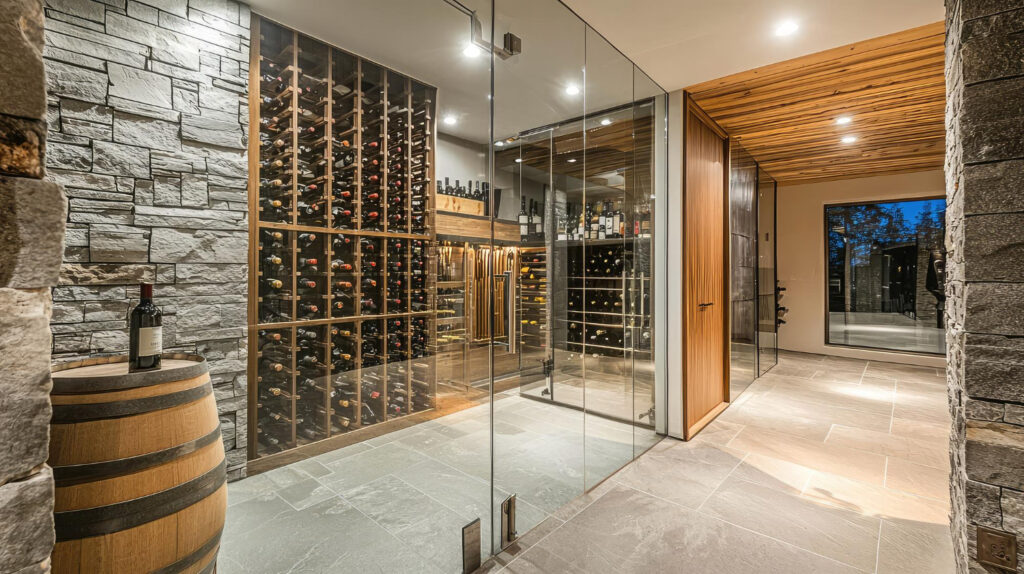
Wine cellars have steadily grown in popularity among homeowners in New Jersey, driven by a passion for collecting and preserving fine wines. These spaces are more than just storage rooms; they represent a personal touch of luxury and uniqueness within a home. Yet, keeping a wine cellar in top condition requires more than just maintaining the right temperature and humidity levels. The doors that protect these treasured bottles play a pivotal role as well. Interior wine cellar doors are not just important for their visual appeal; their performance can significantly impact the overall wine storage environment.
Understanding common problems with interior wine cellar doors can help in maintaining both the utility and beauty of your cellar. Addressing issues early on can also prevent potential damage to your wine collection. By becoming aware of these common concerns and learning how they can be resolved, homeowners can ensure that their wine cellars continue to function effectively and look stunning.
Temperature Fluctuations
One common issue with interior wine cellar doors is temperature fluctuations, which are often caused by poor sealing. If a door is not properly sealed, it can allow outside air to seep into the cellar, disrupting the carefully controlled climate within. This intrusion can lead to temperature spikes that may ultimately affect the quality of the wine stored inside.
Temperature stability is crucial for maintaining wine integrity. When wines experience temperature changes, it can accelerate aging or even result in spoilage. Recognizing the signs of improper sealing, such as noticeable drafts or fluctuating temperatures on a thermostat, can help preempt these problems.
Here are some practical steps to address sealing issues:
– Inspect the door’s rubber or silicone seals for wear and tear; replace them if they are brittle or cracked.
– Check the alignment of the door to ensure it closes snugly; realign if necessary.
– Consider installing a sweep on the bottom of the door to block drafts effectively.
Regular maintenance checks can thwart problems before they start. By investing a little time in these preventative measures, you can preserve the optimal conditions within your wine cellar and protect your wine collection from environmental damage.
Condensation and Moisture Build-Up
Another challenge often faced with interior wine cellar doors is condensation and moisture build-up. This issue arises when the warm air outside meets the cooler air inside the cellar, causing condensation on the glass or wood surfaces. Moisture isn’t just a nuisance; it can damage the door material and create an environment ripe for mold growth, which can be harmful to both the door and the wine.
Managing moisture levels is vital to maintaining a healthy wine cellar. One effective approach to decreasing condensation involves improving ventilation within the cellar. Installing a dehumidifier can help maintain an ideal humidity level, reducing the chance of moisture accumulating on your doors. Additionally, checking your cellar’s insulation can prevent unwanted heat exchange that leads to condensation.
Some tips to handle moisture issues include:
– Ensure that the cellar’s insulation is properly installed, particularly around door frames.
– Use weatherstripping to keep the door sealed against humid external environments.
– Regularly check for signs of mold or mildew, cleaning immediately when detected.
These small measures can go a long way in preserving not only your doors but the precious wine bottles behind them.
Door Warping and Alignment Issues
Warping and alignment problems can disrupt the functionality and aesthetics of your wine cellar doors. Changes in temperature and humidity can cause wood to expand or contract, leading to a warped or misaligned door. These issues might not only affect the appearance but can also interfere with the door’s ability to close snugly.
To avoid warping and alignment issues, consider adopting proactive maintenance strategies. Make sure all door hardware, such as hinges and handles, are periodically tightened and lubricated. If any misalignment is observed, adjust the door to ensure it opens and closes without friction. For wood doors, controlling the cellar’s climate will help in minimizing the natural movement of the wood.
In some cases, it might be beneficial to consult a professional for realignment services, especially if the problem persists and affects the overall functionality of the door.
Aesthetic and Design Wear and Tear
A well-maintained wine cellar door enhances the visual charm of your home. Yet, over time, doors can suffer from aesthetic wear and tear, including scratches, fading, and dull finishes. These cosmetic imperfections might not impact functionality, but they can detract from the overall look of the cellar.
To keep your wine cellar door looking its best, consider these simple maintenance steps:
– Regularly dust and clean the door using appropriate cleaners for the material.
– Apply a protective sealant or finish to wood doors to prevent fading from UV exposure.
– Buff out minor scratches and use touch-up paint or polish as necessary.
When it comes to preserving the beauty of your wine cellar door, small efforts can yield significant rewards.
Making the Most of Your Wine Cellar Doors
Interior wine cellar doors are a crucial part of not just your wine preservation, but also the aesthetic appeal they add to your home. By understanding and addressing common problems like temperature fluctuations, moisture build-up, warping, and cosmetic wear, you can enjoy a stylish and efficient wine storage solution.
Regular maintenance and timely problem-solving ensure that your wine collection remains secure and your cellar continues to enhance your home’s charm. So take a proactive approach, and you’ll keep your wine cellar in top shape for years to come.
If you’re in New Jersey and want to keep your wine cellar both stylish and properly sealed, Monmouth Millwork offers expert solutions tailored to your needs. From preventing drafts to preserving design features, our team is here to help. Learn how we can support the upkeep and performance of your interior wine cellar doors.