
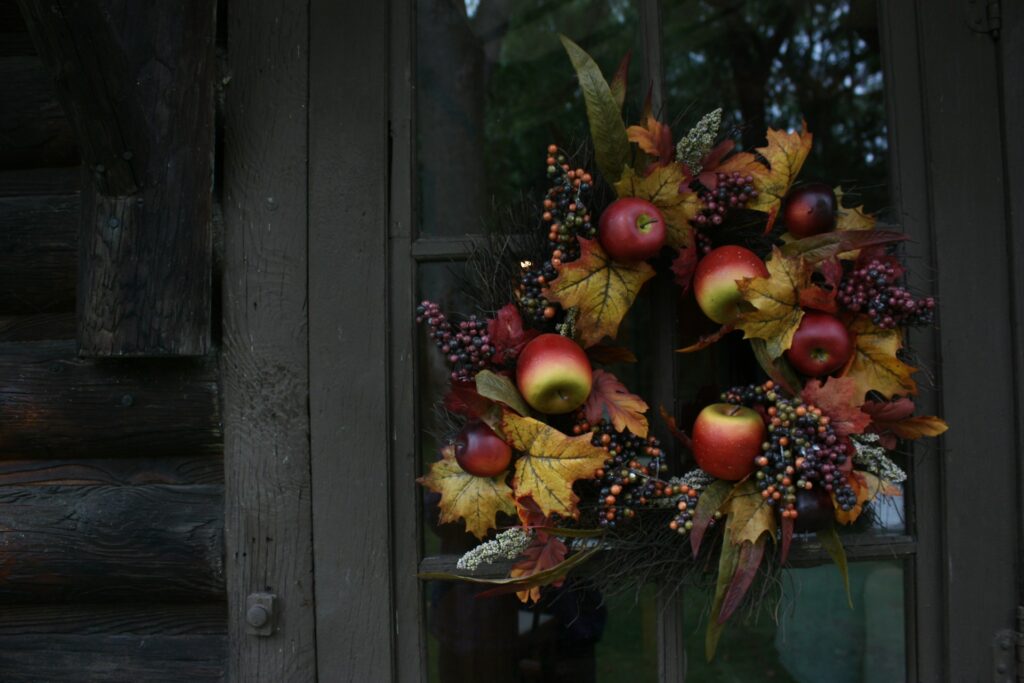
By mid-October in New Jersey, fall weather is not just about cooler air and colorful leaves. It often brings a mix of heavy rain, sharp wind gusts, and quick changes in temperature. These shifts can be tough on homes, especially around entry doors.
Many homeowners start to notice small problems at this time of year, such as cold air slipping through cracks or a door that sticks after a wet weekend. Entry doors in New Jersey go through a lot during fall storms, and how they are built really matters.
The right materials, seals, and installation all work together to help them stand strong when the weather turns. Here is a look at why this part of the house matters so much and how fall weather puts it to the test.
What Fall Storms Look Like in New Jersey
In October, the days get shorter fast. Mornings start colder, and windy afternoons are not unusual. Fall storms can roll in quickly, often bringing plenty of rain.
• Heavy rain can push against the door frame and sneak through tiny gaps if seals are not tight
• Wind can rattle loose doors and pull at handles or hinges that are not firmly attached
• Wet leaves and small branches can pile up around thresholds and cause trouble with how well the door opens or closes
These things might seem minor in dry weather, but when the storms hit back to back, the problems can add up. Over time, they make a home feel less comfortable and more exposed to the cold. Fall is a good time to pay attention, before things get worse.
How Materials Make a Difference
Not all entry doors are built to handle lots of moisture and temperature shifts. What they are made from affects how they hold up when the weather outside changes fast.
• Solid wood doors can be beautiful and strong, but they need routine care in wet or damp climates
• Fiberglass doors do better with moisture and do not change shape as easily in the cold
• Steel doors are solid and reliable but can feel colder to the touch without proper insulation inside
No matter the material, the finish matters. A good protective coating helps the surface resist water and keeps it from swelling or peeling when the rain will not stop. If a door loses its protective finish, water can start making its way in through cracks and seams.
Monmouth Millwork crafts custom entry doors with options in durable insulated wood and fiberglass, designed for New Jersey’s climate, and can finish doors in a range of weather-resistant stains or paints to help them stand up to consistent use.
Weather Stripping and Seals
One of the most important parts of an entry door is something that is easy to miss: its seal. That thin layer of weather stripping around the edge plays a big role in keeping wind and rain outside.
• A snug seal keeps chilly air and moisture where it belongs, on the outside
• If the frame has warped or the seal is old, small gaps can form over time
• Regular checks help spot worn spots before they cause bigger problems
In the fall, listen for wind whistling through cracks or feel for drafts near the bottom corners of the door. Sometimes these are the first signs that the seal needs repair or the frame might have shifted. Even small adjustments can make a big difference in how warm and dry the house feels.
The Role of Design and Installation
Entry doors are more than just a flat slab that swings open and shut. Their design and how they are installed both affect how well they will stand against fall storms.
• Doors with glass panels or side windows need solid framing to prevent water leaks
• A door that shifts, sags, or does not latch properly can let in cold air or feel loose during high winds
• Correct installation helps every part of the door (hinges, knobs, locks, and seals) line up the way they should
When a door fits just right, everything feels smoother. It swings easily, locks securely, and does not pull or jam during wind or pressure changes. That fit makes a home feel settled, even during stormy evenings.
Good installation is not always something you can see. But it shows up in how a door works every day, especially when the weather is not being kind.
Monmouth Millwork’s doors are installed by skilled professionals with attention to proper sealing, secure hardware, and custom fit, helping to reduce energy loss and stop drafts at the threshold or frame.
Built to Handle the Weather
New Jersey’s fall weather does not always wait for November to bring a cold snap or days of downpour. Having the right entry door helps keep those surprises from turning into home repairs. From strong materials and proper seals to solid construction, each part plays a role in how the door handles what fall sends its way.
Staying dry, warm, and protected starts with noticing what is not working quite right. A sticky door, a loose hinge, or a soft draft near the bottom are all signs to check the door now, before winter hits hard. Taking care of it in the fall means fewer problems when the season really tests what your home can handle.
If your door is letting in more wind or water than it should, it might be time to take a closer look. In New Jersey, the change of seasons can do a number on hardware and finishes that once felt solid. The good news is that the right updates can help protect your home before the colder months settle in for good. You can take a look at how we craft and shape durable, weather-ready entry doors in New Jersey built for tough seasonal shifts. Reach out to Monmouth Millwork to talk through what your home might need this fall.