
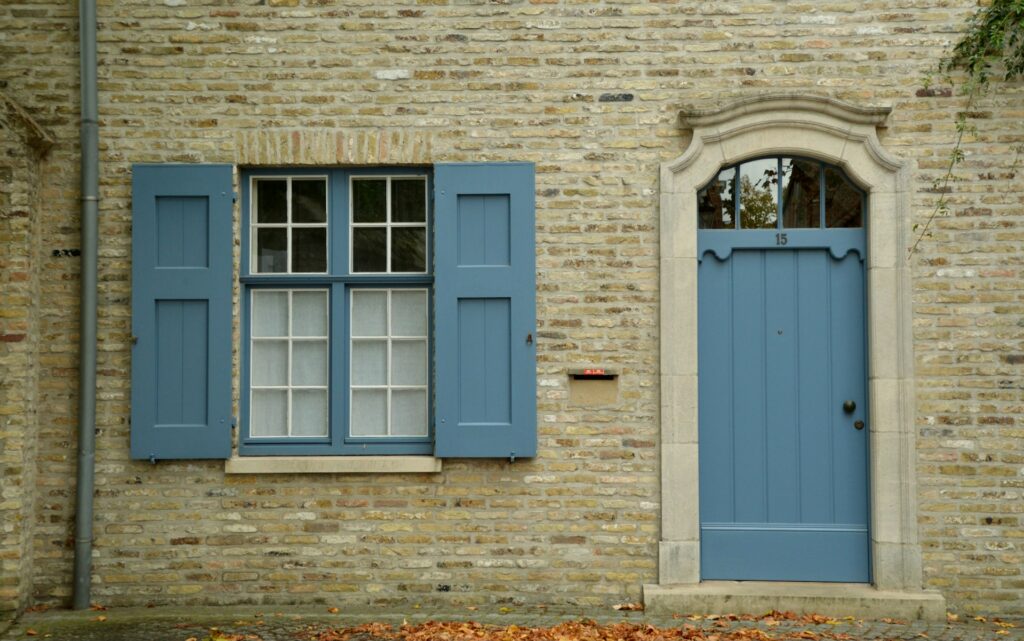
Fall tends to show up in full force across New Jersey by late October. The air cools down fast, daylight fades earlier, and heaters start clicking on in most homes. For many of us, this is when monthly utility bills begin to rise, and staying warm can come at a cost. That’s when people start to look at ways they can make their homes more efficient without having to rely completely on the thermostat.
One of the options gaining more attention these days is European windows. Known for their thoughtful build and energy-focused features, these windows are becoming more common in homes looking for better comfort and control. But can they really help lower heating use in the fall? And what makes them different from the ones most of us are used to? Let’s take a closer look at the design of these windows and how they might fit into homes here in New Jersey during this colder season.
What Makes European Windows Stand Out
The average American window opens one way and relies on simple locking hardware. Many have single or double-pane glass with basic sealing to keep out drafts. European windows, on the other hand, are built with different goals in mind, especially when it comes to weather and indoor comfort.
• One feature that sets them apart is the tilt-and-turn operation. This means the window can tilt open at the top for mild airflow or fully swing open from the side for maximum ventilation. Both options help control temperature without allowing a rush of cold air inside.
• These windows often use triple-pane glass, which offers more insulation than the standard two-layer style. That extra layer helps slow down heat loss and keeps inside air from escaping as quickly.
• Airtight seals are another big difference. These frames are designed to close tightly, often with multiple locking points, to reduce the chance of drafts sneaking through gaps.
Together, these small differences add up. By keeping more warm air in and cold air out, European windows support a steady room temperature in a way older windows often do not.
Why Fall Is a Good Time to Notice Window Performance
Fall acts like a test run for winter. In places like New Jersey, the daily temperatures can swing quite a bit, warm and sunny during the day, chilly at night. If your home struggles to stay warm without the heater running full-time, your windows might be part of the problem.
• Drafty frames and weak seals stand out during cool, damp weather, especially in the mornings or just as the sun goes down.
• You may feel cold spots near older windows or notice condensation forming more often, both signs that too much air is moving where it shouldn’t.
• When the temperature outside keeps changing, having reliable insulation at the window helps the rest of the home’s heating system work more evenly.
Fall gives homeowners a chance to notice these things before winter gets serious. It’s the season when small problems become visible, and where small fixes, like upgraded window features, can make a big impact.
How Good Windows Can Affect Your Monthly Bills
Every time warm air escapes through gaps or bad seals, your heating system has to work harder to make up for it. And that effort shows up in your monthly bills. Better window design doesn’t produce heat, but it helps you hold on to what’s already there.
• With strong seals and thicker glass, properly built windows reduce lost heat from inside the home.
• That means fewer cold patches near walls and windows, and less need to run the thermostat higher to balance things out room by room.
• For families using space heaters during fall evenings, good windows can help avoid that extra layer of energy use by making rooms feel warmer on their own.
We don’t always think about windows as a part of the heating process, but they shape how well the indoor air holds steady as the outside gets colder. Even if the change isn’t visible, the difference in long-term energy use can be felt over time.
Choosing the Right Windows for Your New Jersey Home
New Jersey homes face a unique mix of conditions. Ocean winds can push damp air inland. Older homes built years ago may still have single-pane windows or wood frames that let in drafts. And fall storms bring days of heavy rain and lower light.
This all shapes how a home holds warmth in October and November. That’s why it’s not just about picking a stronger window, it’s about choosing one that works with your home’s location and layout.
• Homes closer to the coast deal with colder wind, while inland homes might focus more on keeping dry air in and damp air out.
• Some neighborhoods carry historic styles or older floorplans that take custom sizing or features.
• Good window selection means finding the right mix of form and function. You want something that fits the house, works with your weather, and still adds that steady boost in comfort.
Monmouth Millwork offers European-inspired window solutions with insulated multi-pane glass, advanced weather seals, and tailor-made designs to fit existing openings or historic renovation needs in New Jersey homes.
Local homes often need custom solutions, especially as days get shorter and colder here. That’s one reason why window upgrades in this region can be particularly valuable during this season.
Staying Comfortable Without Wasting Energy
Fall does more than bring cooler temps. It changes how we use our homes. People stay in longer, close windows for good, and pay more attention to how rooms feel throughout the day. That’s when window quality starts to matter more.
• If a window lets air leak out, the difference often shows up overnight through cold drafts or uneven heat across a room.
• Upgrading to a window that seals better, catches fewer gaps, and holds air longer can mean shorter furnace run times and a steadier feel across the home.
• European windows support this balance well, keeping indoor temperatures less affected by outer shifts in weather.
They’re not just about how they look. They’re quiet performers in the background, holding in warmth, blocking out wind, and helping homes settle into fall with fewer surprises. A good window won’t do all the work, but it can help make staying comfortable less of an uphill climb as cooler weather moves in.
Monmouth Millwork’s window collections include contemporary and traditional profiles, and each solution is crafted for energy savings, draft reduction, and year-round comfort in New Jersey’s changing climate.
Looking for ways to make your home feel warmer this fall without relying so much on the thermostat? Your windows are a good place to start. Small flaws in design or sealing can make a house lose heat faster, especially during cold nights in New Jersey. The design and build of well-made European windows can help keep things more stable indoors, even when the weather shifts outdoors. At Monmouth Millwork, we work with homeowners who want smart, long-lasting solutions. Give us a call to see how we can help you stay more comfortable this season.