
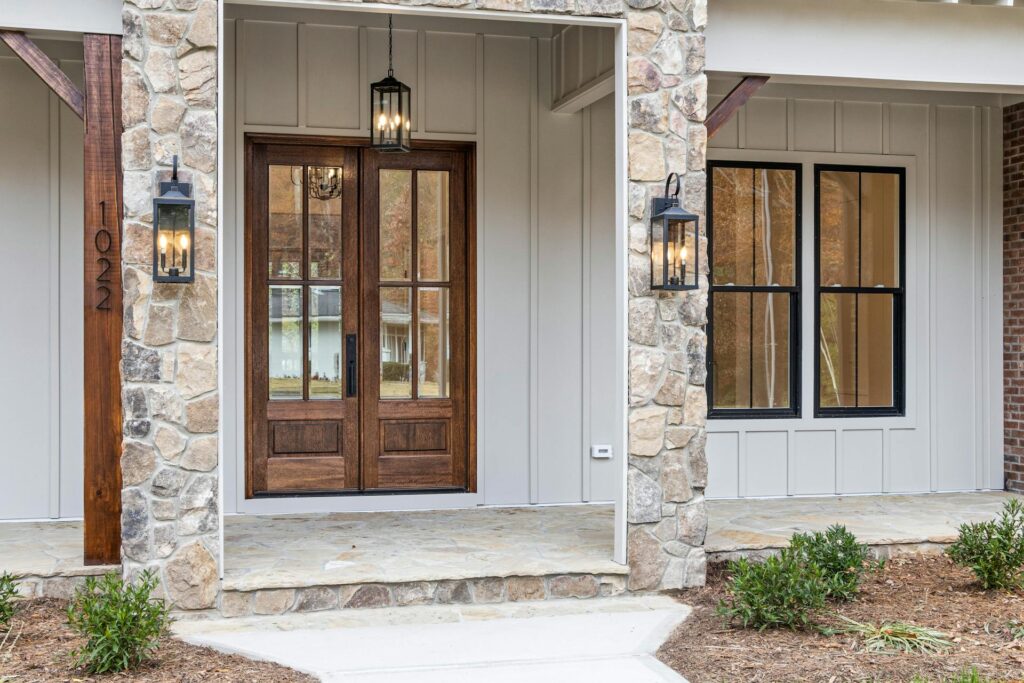
Architectural windows and doors can completely change the way a home feels. They bring in light, shape spaces, and help give each room a clear personality. More than just the way they open or close, these features work with the layout and flow of a house to make it more comfortable and easy to enjoy every day.
When winter light starts to shift in New Jersey, we tend to notice how rooms feel and function. Spaces that seem dark or closed off can affect how a home is used. Getting familiar with how architectural windows and doors work and what makes them different can help guide smart decisions before a larger home project begins.
What Makes Architectural Designs Different
Not all windows and doors are the same. Standard ones do their job well enough, but architectural designs are more intentional. They’re planned around natural light, space flow, and design goals rather than being fixed to standard shapes or sizes.
This isn’t just about looks. When we plan openings with the bigger picture in mind, both the inside and outside of the home feel connected. The placement of a tall window in a stairwell or a custom door at the end of a hallway can shape the way light moves across surfaces and how we move from room to room. These details give personality and balance to a house that might otherwise feel flat or disconnected.
A few ways architectural windows and doors make an impact:
• They can be shaped to match the lines of the home and its trim, not just fit into a rectangular opening
• They help connect the indoors with the outside views, giving the home more breathing room
• When done thoughtfully, they frame what matters: sunlight, scenery, air, or layout
Monmouth Millwork offers full design and manufacturing services for custom architectural windows and doors, with experience spanning picture windows, shaped transoms, multi-panel openings, and unique door systems for homes across New Jersey. Each unit is produced to order, ensuring a fit and finish that match your style and the surrounding architecture.
Picking the Right Window or Door for Your Space
Every room sees light a little differently, and that matters more than we might expect. South-facing rooms in New Jersey, for example, get more winter sun, which can help warm a colder space even in February. That makes window placement something to think through early when planning changes.
The function of a room matters too. A kitchen needs light and fresh air, while a hallway might be more about bringing brightness to a space without blocking movement. Bedrooms call for more privacy and subtle lighting. We always try to match window or door choices to what the space needs most.
Here are a few ideas that help guide our choices:
• Think about where the light comes from and how it shifts throughout the day
• Match the window or door shapes to the lines already in the room, from trim to ceiling height
• Include privacy glass or covered panes in areas where quiet or privacy matter
• Choose door styles that help open rooms up when needed or set clear boundaries when closed
Keeping these points in mind helps homeowners make decisions that stick. It’s less about guessing and more about matching design to daily life.
How Style and Function Work Together
One of the best things about architectural windows and doors is how they can solve small layout problems. Maybe a staircase feels tight, or the front room never seems to get enough light. A well-placed tall window can make a narrow wall feel taller or draw the eye upward. A custom double door at the back of a dining room can make a small space feel much larger.
The key is combining style with real-life use. These are some of the ways thoughtful design can bring both together:
• Tall windows can brighten stairwells without needing overhead lights
• Narrow windows by the front door give a sense of space without losing privacy
• Custom doors can open wide enough for entertaining but close off easily for quiet evenings
• Shapes and finishes can help connect newer parts of the home with the original structure
We look at layout, light, and purpose to help ideas take shape. It’s not about being stylish, it’s about making spaces feel comfortable and work the way they should.
What to Expect During the Planning Process
Before making any big changes with windows or doors, it’s helpful to think through the full picture. Starting too quickly often leads to unexpected design limits or structural roadblocks. That’s why we always start with these basic conversations.
• What’s the goal of the space? More light, better access, or just better design flow?
• How old is the current frame, and does it support new styles or sizes?
• Where does the sun hit during the day, especially in the winter months?
• How well does the exterior structure support deeper or wider openings?
• Will the change affect flooring, ceiling trim, or nearby walls?
Planning with intention, especially in colder months, makes a big difference. February in New Jersey isn’t the moment to leave parts of a wall open for long. That’s why we help homeowners time their projects smartly and work around weather whenever possible.
Starting with measurement and design helps the process feel clear from the beginning. It sets up realistic goals and gives more confidence that the choices made will turn out the way they’re expected to.
Monmouth Millwork’s design-build process integrates in-house drafts, digital measurements, and installation, giving New Jersey clients step-by-step care from concept through completion.
Bright Change, Big Impact: Why It’s Worth Considering
It’s often surprising how much of a difference one window or door can make. Adding a custom window to let in a bit more winter light can completely shift the tone of a living room. A better-fitting door can keep cold air out in February and help fresh air in once spring arrives. These aren’t just visual updates, they shift how the home feels day to day.
Good choices made early help the result feel like it’s always been there, not just added on. We notice that when the design ties in well, people stop focusing on the window or the door as a feature. Instead, they enjoy how the whole room feels easier and more comfortable.
Planning these changes around how people use their homes, how they move, how they rest, and what light means to them makes the impact more lasting. That’s what makes architectural windows and doors a strong choice for homes that feel ready for something new, especially during the slower, quieter months of winter.
Adding more comfort and character to your New Jersey home starts with choosing windows and doors that suit each room’s style and seasonal needs. See our full selection of architectural windows and doors to find ideas for your space. At Monmouth Millwork, we’re here to help you plan a solution that truly fits your home. Call us today to start a thoughtful conversation about your next project.