
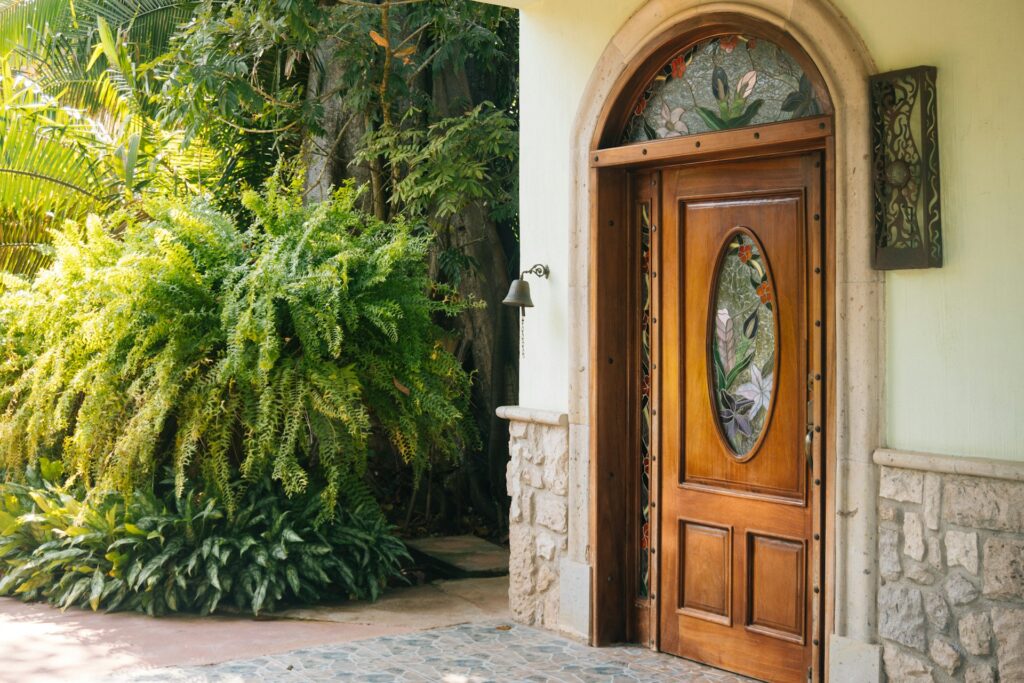
March in New Jersey often feels like a long tug-of-war between winter and spring. One day it’s sunny and a little too warm for a jacket. The next, cold air and rain creep back in. These quick changes might be hard on how we dress, but they can be even tougher on our homes, especially the parts that face the weather head-on. So it’s fair to ask: how well do exterior doors in New Jersey hold up once March rolls in?
That’s when the freezing nights, warmer afternoons, and heavy spring rains start taking turns. It’s not always about one big storm either. Over time, little shifts in temperature and weather can wear down the outside of our homes. Our doors are one of the first lines of defense. That’s why we need to think about how well they’re built, how they hold up in this kind of climate, and what signs to look for as winter wraps up.
What March Weather Brings to New Jersey Homes
If you’ve lived in New Jersey for a while, you know March doesn’t come in gently. We get a mix of just about everything. Some mornings stay below freezing. By the afternoon, it might be close to 60. Rainstorms sweep across the state, sometimes dropping a quick inch or two of water in one go. A late snow shower still isn’t out of the question either.
Our doors don’t get a break during this stretch. Whether they’re wood, fiberglass, or steel, they’re exposed to big shifts in moisture, temperature, and wind. Even on calm days, condensation and cold air moving in and out can add quiet wear over time. It all lands right on the thresholds, panels, and frames, the parts of the home that are too often forgotten in spring cleaning.
That’s why March is a good time to take a closer look. Before things fully warm up for spring and summer, we can get ahead of small issues before they grow.
Monmouth Millwork offers exterior doors crafted from high-quality wood, aluminum-clad, and insulated materials, each built to perform day after day against New Jersey’s challenging climate. Our doors are custom-fit and installed, including reinforced cores, weatherseals, and advanced surface finishes to combat wide swings in moisture and temperature.
How Doors Respond to Changing Temperatures and Moisture
Materials move. Wood can swell when it gets damp, and it shrinks when things dry out or cool off. The same happens with some other door materials too, creating tiny gaps or pulling frames out of square. Over time, these changes might seem small. But they show up in places like a latch that no longer lines up or a seal that stops sitting tight.
That’s why so much comes down to tight fits and secure seals. When a door is built with strong edges and solid joins, it’s better able to shift with the seasons without pulling apart. Construction quality matters, not just for how something looks, but for how it lives over time.
We’ve seen how exterior doors in New Jersey react with our weather back and forth. It’s not just about one cold snap or one wet day. It’s the constant switching that adds stress.
For example, after a stretch of cold nights and then a sudden bounce to mild weather, wood doors can take on moisture from the air and expand just enough to make them stick. On the flip side, after a dry spell, they might shrink and leave a bigger gap at the bottom, letting in chilly breezes. Fiberglass and steel are more stable, but they aren’t immune to small shifts that can lead to misaligned locks or less effective seals. That means even the toughest doors benefit from a little extra attention during these weeks, catching the little changes before they turn into bigger problems.
Key Features to Look For in a Durable Exterior Door
Some small details can make a big difference in how well a door holds up when the weather keeps changing.
• Weatherstripping: Soft trims that seal off the edges help block out drafts and water
• Core strength: Not all doors are solid inside. Reinforced cores give better insulation and help stop warping
• Threshold tunnels: A tight, well-fitted threshold helps keep water from sneaking under the door
• Insulation value: Doors that hold temperature inside save energy and feel more comfortable year-round
Good craftsmanship also shows up in the trim and framework around the door itself. When the frame fits well and the millwork is done right, the door lasts longer and performs better in every season, not just March.
Another important thing to watch for is how well the finish on the door stands up as the weather swings. A strong, protective coating or paint helps keep moisture out, while still letting the wood “breathe” underneath. Regularly checking that the finish isn’t cracked or peeling is an easy way to stop leaks and swelling before they start. For doors with glass panels, good seals around the glass are also key to stopping foggy panes or water spots.
How Wear and Tear Shows Up as Winter Ends
This time of year is great for spotting the signs that a door might need some attention. Some are plain to see, like cracked paint or peeling stain. Others show up when you go to open or close the door and it feels off.
Here are a few signs to keep watch for:
• Sticking when the door swings
• Feeling a breeze around the edges
• Water leaking at the base after rain
• Rust, cracking, or swelling around corners
Most of these come from the way winter holds moisture, and the way March teases us with warm-ups just long enough for things to expand and shift. Small issues after winter often turn into bigger ones when April’s heavier rains hit, so a late February or early March check-in can really help.
Our team at Monmouth Millwork provides full-service inspections, repairs, and upgrades for existing exterior doors, including specialty weatherstripping and replacement parts that extend performance and lifespan throughout New Jersey’s toughest seasons.
Getting ahead of problems now can help keep your home comfortable and protected when spring storms and damp days are at their worst. If something feels off or looks a little different than it did in the fall, it’s a good time to have someone check your door for swelling, loose seals, or other early warning signs. Being proactive now helps stop small trouble from turning into big fixes later on.
Built to Handle March and Beyond
There’s no way around it, March is one of the wildest months for weather in New Jersey. That’s why our doors need to work hard now, even before spring fully arrives. The mix of cold, wet, and warm air brings out the weaknesses fast. And if a door can handle that stretch well, it’s in good shape for what the rest of the year brings too.
A well-built door won’t shy away from New Jersey’s March conditions. Strong materials, tested formats, and clean finishing help make sure they hold up, and keep our homes ready for whatever comes next. When we get it right, we don’t have to think about the door as much. That’s the goal. Let it do its job quietly, so we can enjoy the change of season when it finally sticks.
Changing March temperatures and rainy days can really test the strength of your doors, so it’s smart to make sure your home is protected and comfortable all year. At Monmouth Millwork, we help New Jersey homeowners choose reliable options that withstand every season. See the different types of exterior doors in New Jersey we offer and how they’re built for local weather. Reach out to Monmouth Millwork to get expert guidance and make sure your door is ready for what’s ahead.