
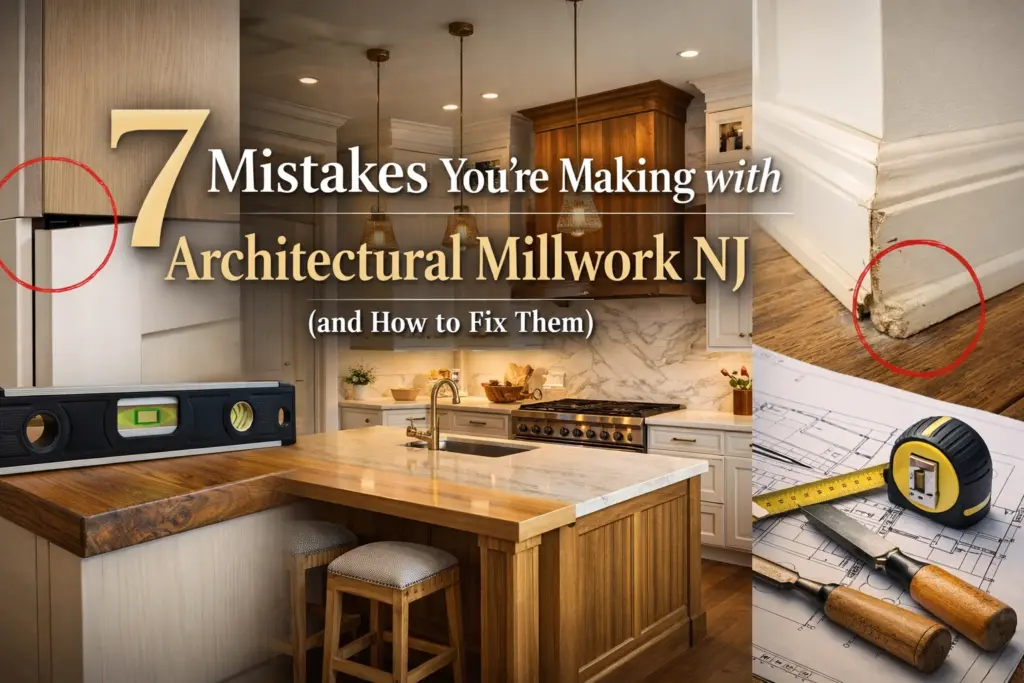
When you’re building or renovating a high-end home here in New Jersey, the architectural millwork is often what separates a "nice" house from a true masterpiece. It’s the crown moulding that catches the light, the custom front door that makes a statement, and the precision-crafted window trim that ties a room together. But because millwork is so detailed, it’s also where many projects hit a snag.
We’ve spent years working as a bridge between manufacturers and local builders, and we’ve seen where things usually go wrong. Whether you are an architect, a contractor, or a homeowner, avoiding these common pitfalls can save you thousands of dollars and weeks of frustration.
Here are the seven most common mistakes we see with architectural millwork in NJ and, more importantly, how we can help you fix them.
1. Vague Specifications and "Guesswork" Details
The biggest enemy of a beautiful finish is ambiguity. When we look at architectural drawings that simply say "custom trim" without specific profiles or dimensions, we know there’s trouble ahead. Insufficient detail leads to fabricators making their own assumptions, which rarely align with your original vision.
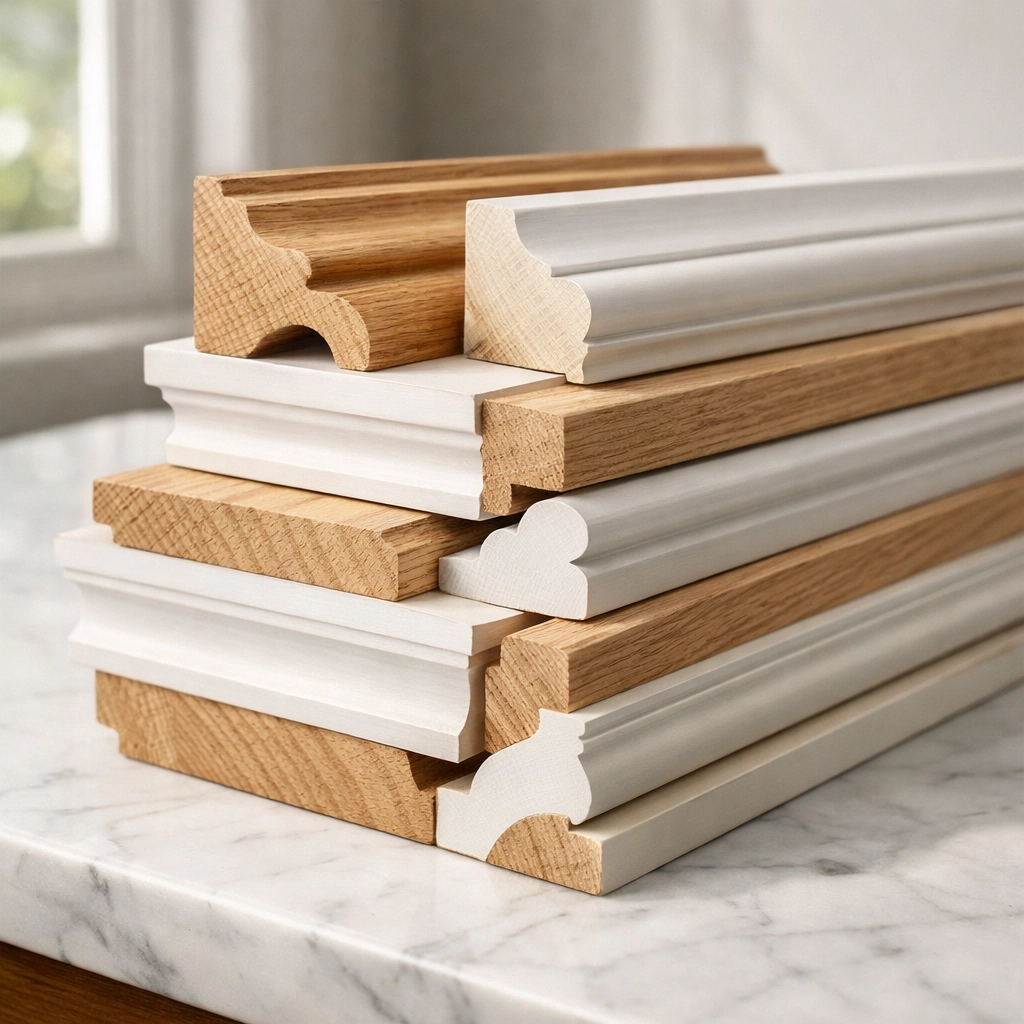
The Fix: We recommend providing comprehensive depictions using enlarged views and detailed sections. Instead of just picking a general style, look at specific offerings from partners like Garden State Lumber. By being precise about the "depth" and "width" of your millwork and moulding, you ensure the final product looks exactly like the Pinterest board or architectural rendering you fell in love with.
2. Mixing Your Measurement Systems
It sounds like a small thing, but mixing dimensioning systems: like jumping between fractions and decimals: is a recipe for disaster in the workshop. When one person is talking in 1/8th of an inch and another is using millimeters or decimals, errors start to compound. This is especially risky when you’re designing complex structures like custom wine rooms.
The Fix: Maintain total consistency. We work with our clients to ensure that all drawings and orders use a uniform system. Whether we are helping you design luxury wine rooms or complex library shelving, we double-check that every material thickness and assembly clearance is documented in the same format. This keeps the manufacturer-direct ordering process smooth and error-free.
3. Trusting the Blueprints Instead of the Field
This is a classic "Measure Once, Cry Twice" scenario. In a perfect world, every wall would be perfectly plumb and every opening would be exactly as the blueprints state. In the real world: especially with NJ renovations: things are rarely square. If you order custom windows based solely on the architectural plans without verifying the actual field measurements, you might end up with a very expensive piece of glass that doesn’t fit.
The Fix: Always verify field measurements against the architectural drawings before placing the final order. We pride ourselves on being more than just brokers; we are your partners in precision. We help builders and homeowners bridge the gap between the "plan" and the "reality" on-site. By prioritizing critical measurements and measuring from the actual framework, we ensure that your energy-efficient windows from brands like Kolbe or Sierra Pacific fit like a glove the first time.
4. The Clash Between Design and Engineering
We all want that stunning, ultra-slim profile for a custom front door, but if that door is facing the harsh winds of the Jersey Shore, it needs to be structurally sound. A common mistake is prioritizing the aesthetic "look" without consulting the engineering requirements for our local climate.
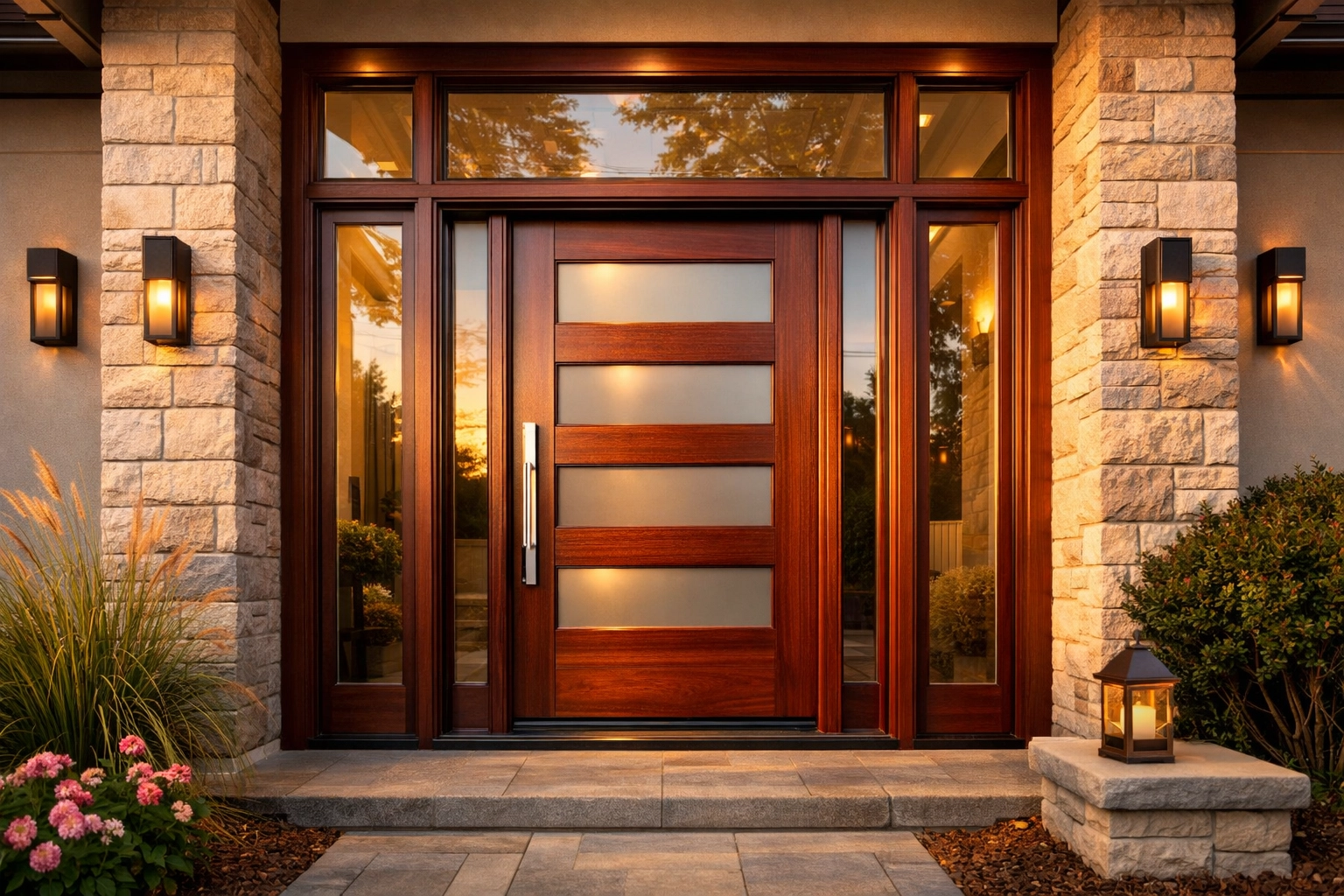
The Fix: Establish a clear channel of collaboration early in the design phase. We sit down with architects and builders to ensure the aesthetic vision is technically viable. For example, if you want a massive mahogany entry system, we might point you toward Glenview Doors or Simpson Doors. These brands offer the high-end look you want while utilizing advanced technology to prevent warping and withstand the elements.
5. Picking the Wrong Material for the NJ Climate
New Jersey weather is tough. We have humid summers, freezing winters, and salt air if you’re anywhere near the coast. Using the wrong wood species or material for exterior millwork is a mistake that usually shows up about two years later in the form of rot or peeling paint.
The Fix: Lead with durability. For exterior applications, we often steer our clients toward high-performance materials like NuCedar. It gives you the look of real cedar siding and trim but without the constant maintenance. If you prefer natural wood, we help you select the right species and finishes from partners like Masonite or Upstate Doors that are designed to handle our local humidity swings.
6. Overlooking Building Codes and Safety Standards
Millwork isn't just about beauty; it’s about safety. We’ve seen projects delayed because the beautiful custom interior doors didn't meet fire-rating requirements, or the bedroom windows didn't meet egress codes. It’s a painful mistake that can lead to failed inspections and costly replacements.
The Fix: We stay on top of the latest industry standards and local building codes so you don’t have to. When you’re choosing custom doors, we’ll help you navigate the requirements for fire-rated entry systems and emergency exits. By verifying compliance during the ordering phase, we keep your project on schedule and your home safe.
7. Treating Installation as an Afterthought
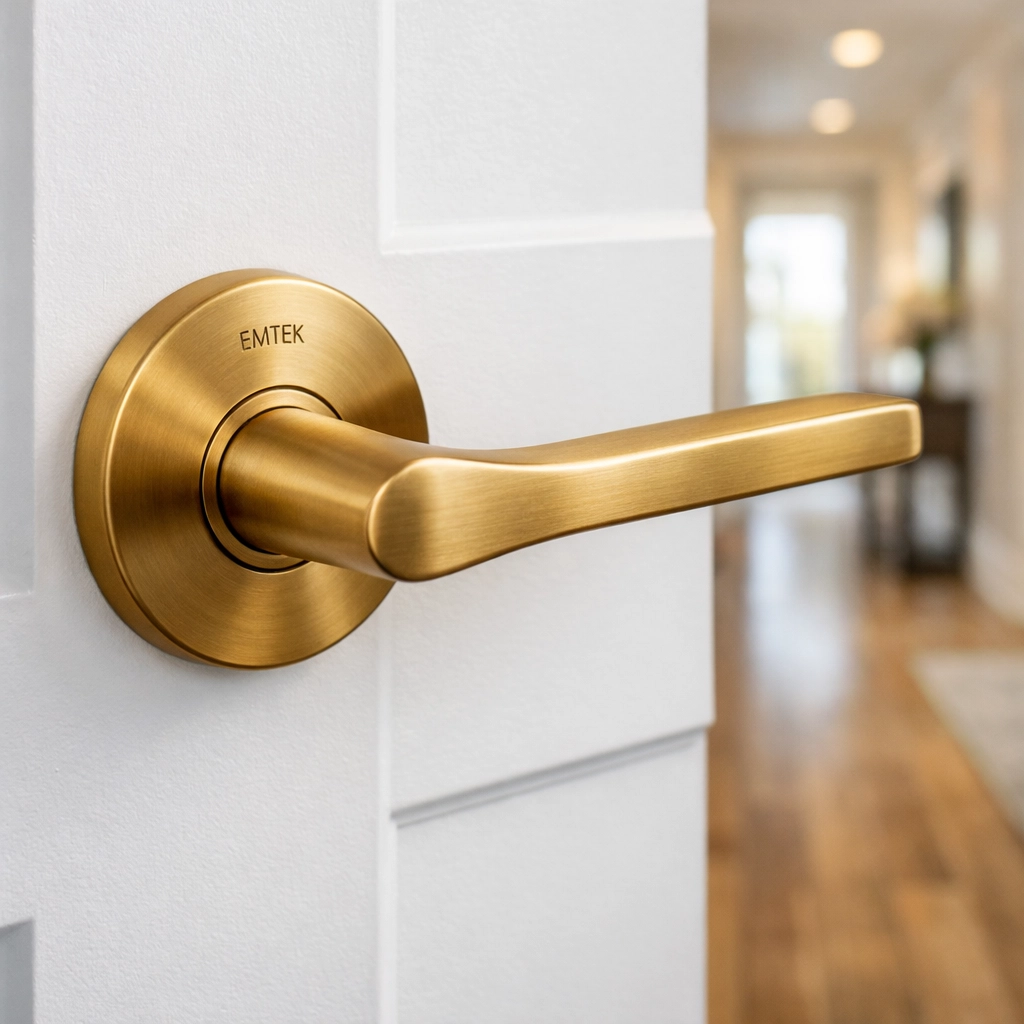
The most beautiful millwork in the world can be ruined by a bad installation. A common mistake is focusing so much on the fabrication that no one thinks about how the pieces will actually be attached or sequenced on-site. This is particularly true for luxury hardware. If the door isn't prepped correctly for that high-end Emtek lockset, you’re going to have a headache on installation day.
The Fix: Plan the "final mile" from day one. We provide clear guidance on attachment methods and sequencing. When we handle your luxury hardware needs, we ensure the hardware specifications are perfectly coordinated with the door manufacturer. This manufacturer-direct coordination means your doors arrive pre-bored and ready for those luxury Emtek handles, making the installer's job a breeze.
Why the Monmouth Millwork Approach Works
At Monmouth Millwork, we aren't just selling you a product; we are offering a design-led solution. We know that the transition from a drawing to a finished room is full of potential traps. By acting as a specialized broker, we give you access to manufacturer-direct pricing while providing the local expertise you’d expect from a high-end boutique.
We believe that great millwork should be a joy, not a stressor. By focusing on these seven areas: detailing, dimensioning, measurement, engineering, material selection, code compliance, and installation: we help you create a home that is as functional as it is beautiful.
Ready to get started?
If you’re planning a project in New Jersey and want to avoid these common mistakes, we’re here to help. From choosing the perfect Therma-Tru entry system to designing a custom wine cellar that will be the envy of the neighborhood, our team has the expertise to guide you through every step.
Browse our image gallery for inspiration, or reach out to us today to see how we can bring our manufacturer-direct pricing and design expertise to your next build. Let’s build something incredible together!