
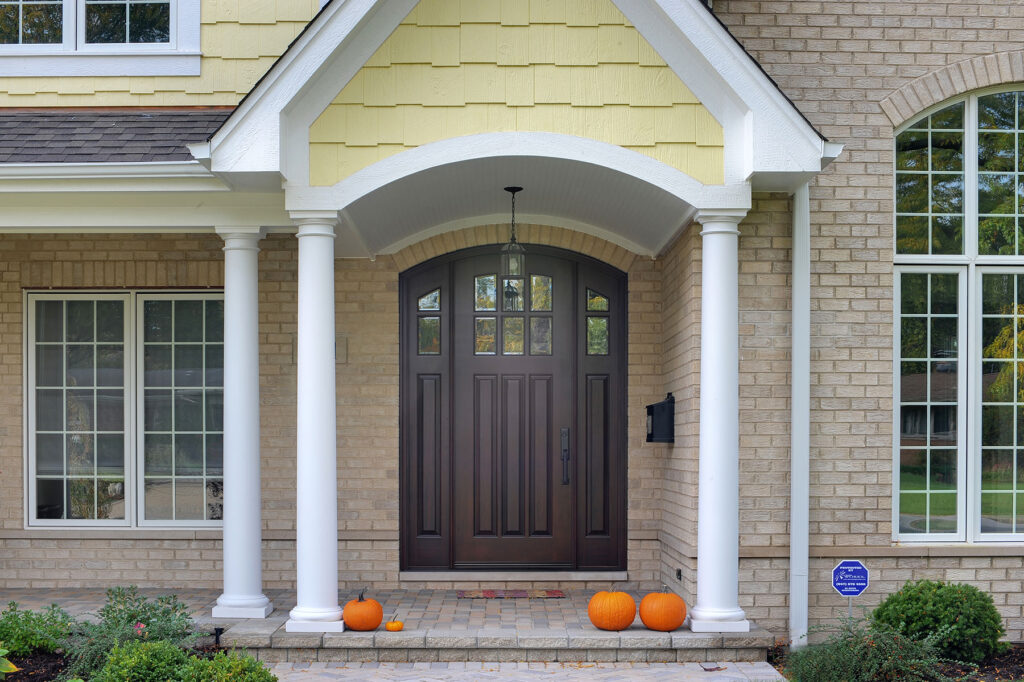
As late summer turns to fall here in New Jersey, we begin noticing the small signs of changing weather: cooler mornings, longer nights, and the first drafts around older windows and doors. A seasonal review now can help us improve comfort, protect our home, and plan larger upgrades before winter arrives.
Our windows, exterior doors, and millwork all work together as part of the home’s design and building envelope. By checking these features early, we can address simple maintenance issues, compare energy-efficient options, and prepare for projects that require custom measurements or professional installation.
1. We can start with a simple fall draft check
A draft check helps us identify comfort problems before they become expensive heating concerns. On a breezy day, we can slowly move a hand around window frames, door edges, thresholds, and trim to feel for moving air.
We can also look for:
- Cracked or missing exterior caulk
- Loose or compressed weatherstripping
- Light visible beneath an exterior door
- Condensation between window panes
- Dust trails near window sashes
- Doors that do not close or latch smoothly
- Rooms that feel colder than the rest of the home
For a simple test, we can hold a thin tissue near the edges of a closed window or door. If it moves noticeably, we may have an air leak that needs attention.
Small repairs can sometimes improve performance. We may need to replace a door sweep, adjust a latch, lubricate hardware, or renew caulk around a frame. If we find deteriorated wood, moisture damage, failed glass, or movement around the opening, we should have the condition reviewed before sealing over the problem.
2. We can weatherproof windows and doors before colder weather arrives
Weatherproofing works best when we treat the entire opening as a system. The frame, sash or door slab, sill, flashing, trim, locks, and sealants all contribute to how well the opening protects our home.
Around windows, we can clear dirt from tracks and weep holes, inspect the exterior seal, and check whether the sash closes tightly. We should avoid blocking drainage openings with caulk because those paths allow water to escape from the window system.
Around exterior doors, we can inspect the weatherstripping along the sides and top, then check the sweep and threshold at the bottom. A door that requires force to close may need alignment or hardware adjustment rather than a new seal alone.
Professional installation also matters. Even the best energy-efficient window or custom exterior door can underperform if the opening is not properly flashed, shimmed, insulated, and sealed.
3. We can improve comfort with energy-efficient windows and doors
Fall is a practical time to consider purchasing new windows if our current units are drafty, difficult to operate, or showing moisture between panes. Modern products can help create more consistent indoor temperatures while reducing heat transfer and outside noise.
As we compare options, we can review:
-
Glass performance: Double-pane and triple-pane insulated glass can improve thermal comfort. Low-E coatings can help control heat transfer while allowing natural light into the home.
-
Frame materials: Wood, aluminum-clad wood, fiberglass, vinyl, and aluminum each offer different combinations of appearance, durability, maintenance, and performance.
-
Air leakage: Tight seals and quality weatherstripping help prevent the uncomfortable airflow we often notice around older units.
-
Installation details: We should confirm how the installer will protect the opening, insulate the frame, manage drainage, and finish the interior and exterior trim.
-
Energy ratings: We can review NFRC information, including U-factor and solar heat gain coefficient, and look for products certified for our New Jersey climate zone through ENERGY STAR.
Our energy-saving window project shows how custom window and door solutions can combine performance, design, and precise installation.
4. We can choose between double-hung and single-hung windows based on how we use each room
When we compare double hung vs single hung windows, the key difference is how the sashes operate. With a single-hung window, the lower sash moves while the upper sash remains fixed. With a double-hung window, both the upper and lower sashes move vertically.
Double-hung windows can give us more ventilation flexibility. We can open the lower sash to bring in fresh air, the upper sash to release warm air, or both at once. Many double-hung windows also tilt inward, allowing us to clean the exterior glass from inside the home.
Single-hung windows may provide a simpler and more budget-conscious solution for certain rooms. Because they have fewer moving components, they can also offer a slight efficiency advantage when we compare otherwise similar products.
We can use this practical guide:
- For upstairs bedrooms: Double-hung windows may make ventilation and cleaning easier.
- For kitchens and living rooms: Double-hung operation can help release heat and odors.
- For accessible first-floor rooms: Single-hung windows may provide dependable value.
- For large replacement projects: A combination of both styles can help us balance budget and convenience.
- For traditional homes: Either style can work when we coordinate proportions, grilles, finishes, and trim.
The style alone does not determine performance. A well-made single-hung window that is installed correctly may outperform a poorly installed double-hung unit. We can explore Monmouth Millwork’s window collections to compare styles, materials, and design possibilities.
5. We can update front doors for curb appeal, security, and weather protection
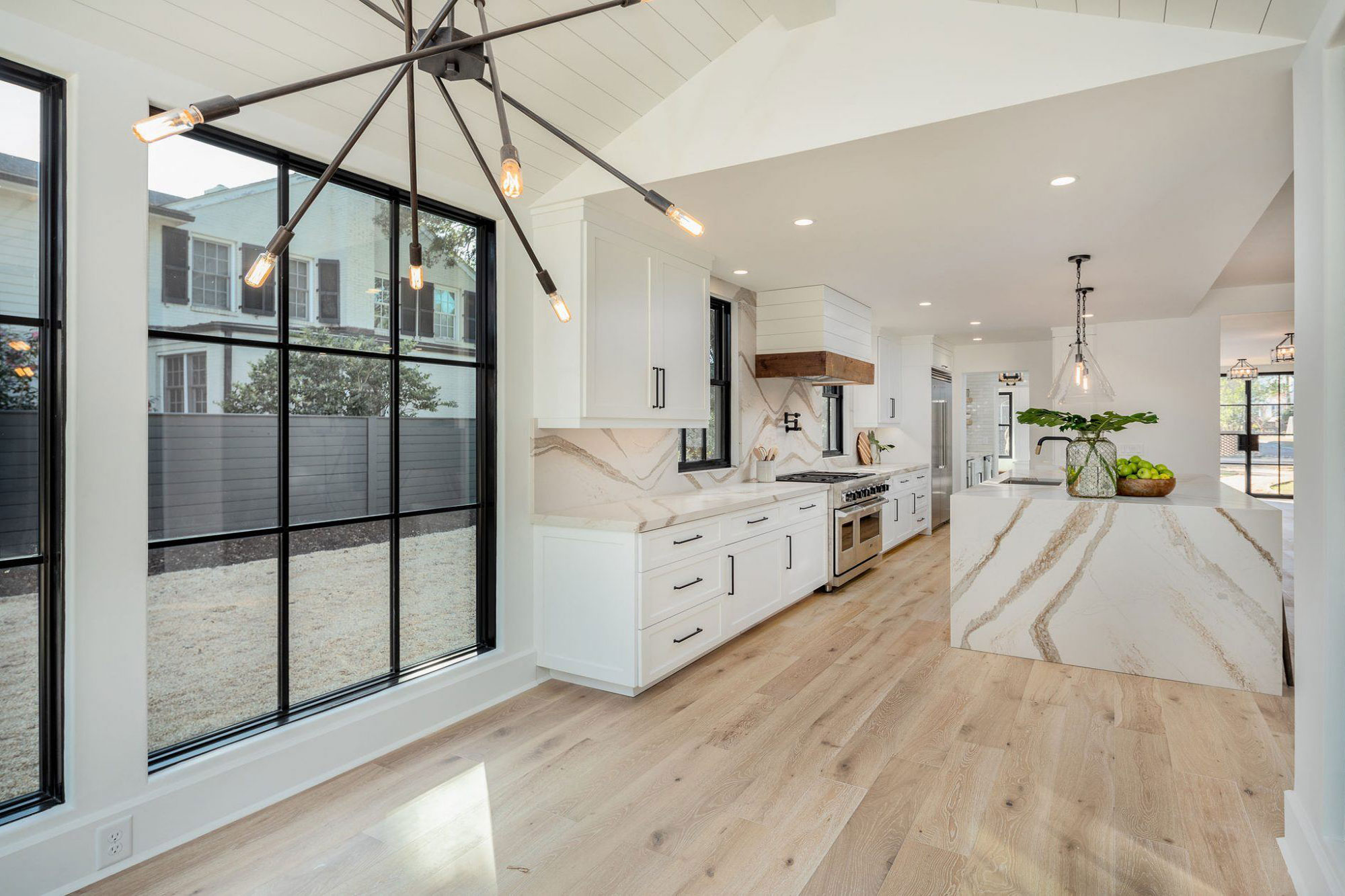
Our front door is one of the first details guests notice, but it also has an important job. It should close securely, resist drafts and moisture, handle daily use, and complement the architecture of our home.
When we explore exterior doors in NJ, we can compare wood, fiberglass, steel, and other premium materials. For example, a stained wood door can bring warmth to a traditional or coastal home, while a fiberglass door can provide a wood-look finish with lower maintenance.
For front doors New Jersey homeowners may also consider:
- Glass panels or sidelights for natural light
- A transom window for a taller entry design
- Multipoint locks for added security
- Durable hinges and substantial hardware
- Weather-resistant finishes
- Custom sizing for older or unusually shaped openings
- Coordinated casing, pilasters, and exterior trim
French doors with glass panels can also provide a beautiful solution for patios, studies, dining rooms, and sunrooms. We can view an example through our custom French doors project.
For homeowners researching custom doors New Jersey or custom doors NJ, custom sizing allows us to solve problems that standard products may not address. We can design around existing openings, match historic details, or create a larger entry with sidelights and a transom.
6. We should review fire-rated doors where the garage meets living space
The door between an attached garage and the home deserves special attention. Because a garage may contain vehicles, fuel, tools, lawn equipment, and electrical equipment, the opening between the garage and living space must provide appropriate separation.
New Jersey residential requirements can allow a qualifying solid wood or solid or honeycomb-core steel door of the required thickness, or a listed fire-rated door assembly where appropriate. The exact requirements depend on the home, project, code edition, and local construction official.
We should remember that a fire-rated door is not simply a heavy door. The rating may apply to the complete assembly, including the door, frame, hinges, latching hardware, glazing, and other components. We should never add a decorative glass insert or replace hardware without confirming that the change is compatible with the assembly.
We can review the New Jersey Formal Technical Opinion for garage separation and discuss the project with the local building department or design professional. Monmouth Millwork can also help builders and homeowners review appropriate manufacturer-direct options for fire-rated exterior doors and garage-to-home entries.
7. We can use premium millwork to complete the design
A window or door upgrade often looks unfinished when the surrounding trim does not match. Premium millwork helps connect the new opening to the rest of the home while adding character, protection, and architectural detail.
Our millwork planning may include:
-
Window and door casing: We can select profiles that match the home’s existing style or create a fresh transition.
-
Sills and aprons: These details can give windows a more substantial, finished appearance.
-
Crown molding and baseboards: Coordinated profiles help create continuity from room to room.
-
Wainscoting and wall paneling: These features can add depth to entryways, dining rooms, stair halls, and living areas.
-
Exterior surrounds: Pilasters, headers, trim, and shutters can frame a front door and strengthen the overall curb appeal.
-
Built-ins and specialty details: Custom cabinetry, window seats, railings, and other architectural elements can make the home feel more personal.
We can explore premium millwork solutions for both interior and exterior applications. Whether our style is modern, traditional, transitional, or coastal, the right materials and proportions help every detail feel intentional.
8. We can plan fall and winter projects before the schedule fills
Fall is a smart time to decide which work we can complete immediately and which projects need longer planning. Weatherstripping and hardware adjustments may be simple seasonal maintenance, while new windows, custom doors, and millwork often require measurements, design decisions, manufacturing time, and installation coordination.
We can make the process easier by gathering:
- Photos of existing windows and doors
- Approximate opening dimensions
- A list of rooms with drafts or moisture concerns
- Our preferred design style and finishes
- Energy-efficiency goals
- A realistic project budget
- Any architect, builder, or contractor plans
- Questions about permits or code requirements
Searching for a door store New Jersey homeowners can trust, or comparing multiple door stores in NJ, should not require sorting through endless products alone. As a manufacturer-direct broker, Monmouth Millwork helps us compare premium brands such as Kolbe, Sierra Pacific, Simpson Doors, Glenview, and others while keeping the process focused and understandable.
Whether we are purchasing new windows, replacing one entry door, planning doors in NJ for a new build, or coordinating premium millwork throughout a renovation, we can make decisions based on comfort, value, performance, and design.
9. We can make our New Jersey home more comfortable before winter
A fall review gives us time to catch drafts, maintain our current windows and doors, and plan upgrades with confidence. It also helps us look beyond individual products so we can coordinate the complete design, from energy-efficient glass and secure hardware to front doors, fire-rated assemblies, and finished millwork.
At Monmouth Millwork, we provide expert consultation, manufacturer-direct pricing, installation, and white-glove support from the first conversation through post-sales service. We review every detail as if it were our own project.
When we are ready to prepare our home for cooler weather, we can contact Monmouth Millwork to discuss our goals. Together, we can create a warmer, more efficient, and beautifully finished New Jersey home for fall, winter, and the years ahead.