
Purchasing new windows can make your New Jersey home more comfortable, efficient, and visually appealing. However, choosing the right windows involves more than comparing prices and picking a frame color.
We need to consider how each room is used, how much ventilation we want, the home’s architectural style, and how the windows will perform through New Jersey winters, humid summers, and changing coastal weather. The installation itself also matters. Even a high-quality window may underperform if it is not measured, sealed, and installed correctly.
Whether we are renovating one room, replacing every window, or planning a new build, the following guide can help us make a confident decision.
1. We should begin with the home, not the window catalog
The best window choice depends on the space where it will be installed. A bedroom on the second floor may benefit from easy cleaning and flexible ventilation, while a rarely opened basement window may have different priorities.
Before we compare products, we should consider:
- Which rooms feel drafty or uncomfortable?
- Do we need more natural light?
- Are the existing windows difficult to open, clean, or lock?
- Do we want better ventilation during warmer months?
- Will the replacement windows match the home’s existing style?
- Are we renovating, building new, or preserving an older property?
For example, a traditional New Jersey Colonial may look best with divided-light double-hung windows, while a modern renovation may call for large fixed windows or expansive casements. A coastal home may need durable materials and glass selected for strong weather performance.
Our goal should be to create a window plan that supports the way we live in the home: not simply replace each existing unit with the same basic style.
2. We should understand double hung vs single hung windows
One of the most common questions we hear from homeowners is about double hung vs single hung windows. Both styles move vertically, but they operate differently.
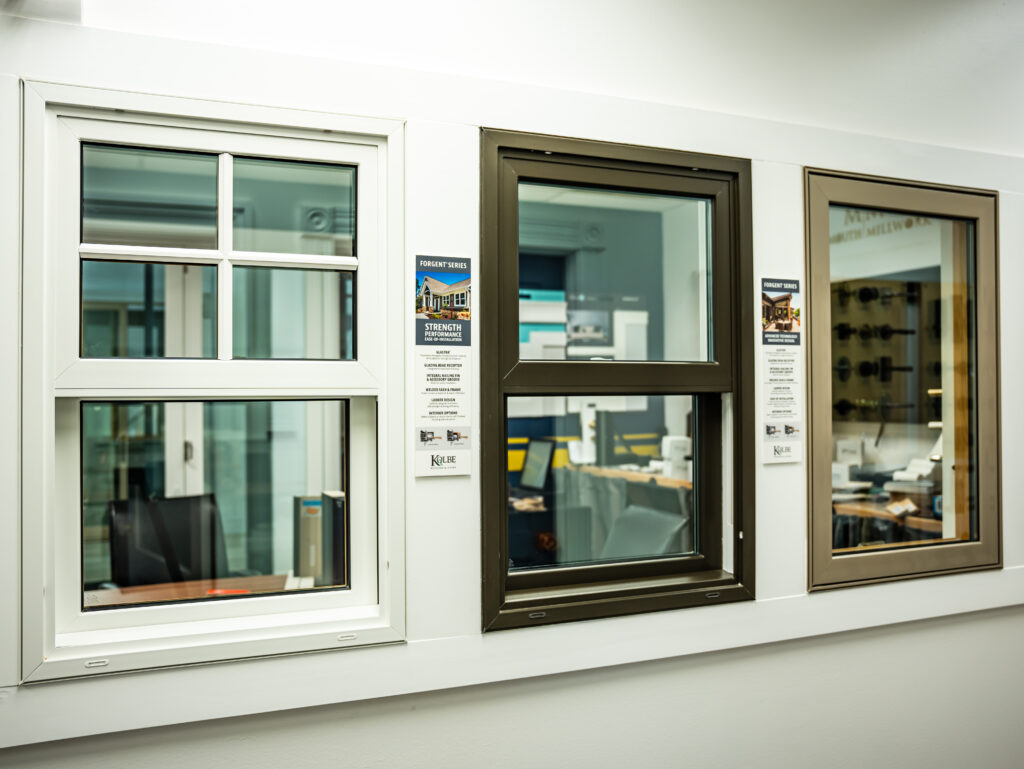
With a single-hung window, only the bottom sash moves. The top sash remains fixed. With a double-hung window, both the upper and lower sashes can move independently.
Here is how the two compare:
- Single-hung windows: Usually cost less, have fewer moving parts, and can provide a tight, straightforward design.
- Double-hung windows: Offer more ventilation flexibility, easier cleaning, and the ability to open the top sash while keeping the lower portion closed.
For instance, on a warm summer day, we can open the lower sash of a double-hung window to bring in air and open the upper sash to let rising heat escape. Many premium double-hung windows also tilt inward, allowing us to clean the exterior glass from inside the home: especially useful on second-floor windows.
Single-hung windows may make sense in rooms that do not require frequent ventilation or where budget is a primary concern. Double-hung windows are often a practical choice for bedrooms, living rooms, and upper floors.
The energy-efficiency difference between the two styles is often smaller than shoppers expect. While a single-hung window has fewer moving seals, the glass package, frame construction, weatherstripping, and installation quality usually have a greater impact on comfort and performance.
3. We should compare performance ratings, not just appearance
Beautiful windows should also help us maintain a more comfortable home throughout the year. When we compare products, we should look beyond color, grille patterns, and decorative details.
Important performance information includes:
- U-factor: This indicates how well a window resists heat loss. Lower numbers generally indicate better insulating performance.
- Solar Heat Gain Coefficient: This helps us understand how much heat from the sun passes through the glass. The right choice may depend on the window’s direction, shading, and room use.
- Air leakage: Lower air-leakage ratings generally mean fewer drafts around the operating portions of the window.
- Visible transmittance: This describes how much natural light the glass allows into the room.
- Condensation resistance: This can help us compare how well the window resists interior condensation under certain conditions.
For a New Jersey home, we may want low heat loss during winter while still managing summer sun and humidity. A qualified window professional can help us compare these values based on the home’s orientation and existing insulation.
The glass package also plays an important role. Double-pane or triple-pane insulated glass, Low-E coatings, gas fills, and quality spacers can all contribute to improved comfort. We should choose these features based on the home and the room rather than assuming that the most expensive option is always the best fit.
4. We should choose materials that support long-term value
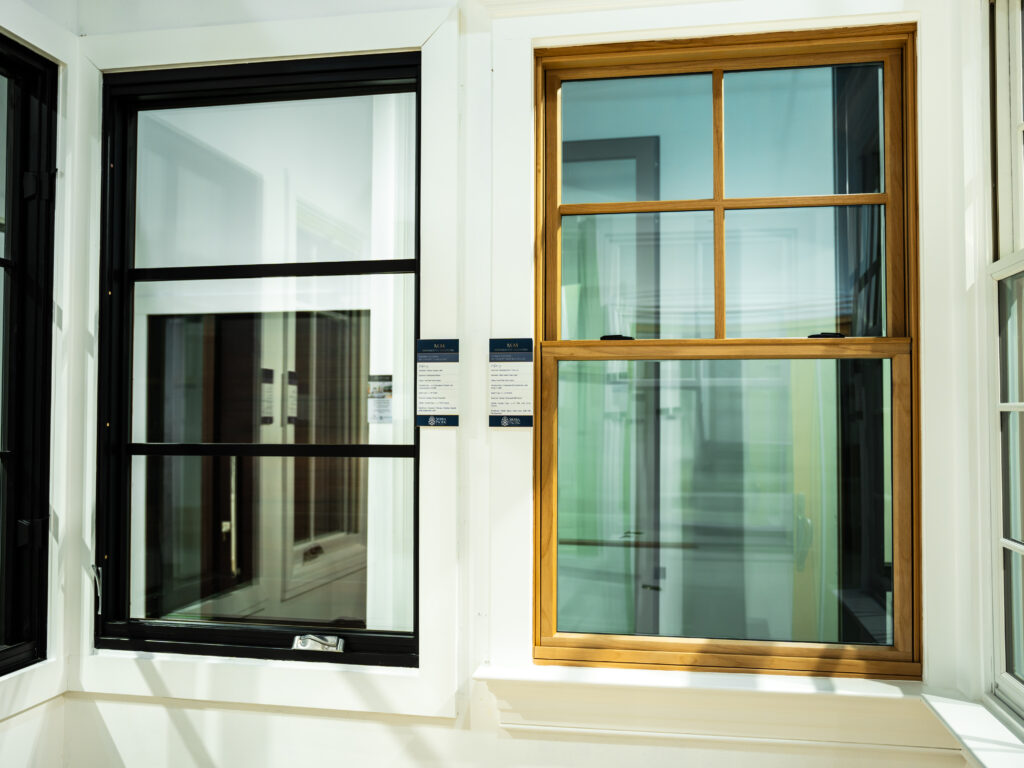
Window frames influence appearance, maintenance, durability, and performance. Common options include vinyl, fiberglass, wood, composite, and wood-clad construction.
For example:
- Wood interiors can bring warmth and traditional character to dining rooms, studies, and historic homes.
- Aluminum-clad wood can combine a natural interior appearance with a durable exterior finish.
- Composite materials can provide strength, stability, and resistance to changing weather.
- Fiberglass may be a good fit for homeowners seeking durability with a clean, contemporary look.
Premium brands such as Kolbe and Sierra Pacific offer options for both classic and modern projects. Kolbe’s collections include high-performance composite construction, customizable wood interiors, and expansive glass options. Sierra Pacific offers real wood interiors, durable exteriors, and flexible sash and trim profiles.
For builders and architects, these choices also affect how the windows coordinate with siding, stone, trim, millwork, and doors. The window should feel like part of the overall design rather than an afterthought.
5. We should plan the window style room by room
Replacing every window with one style may seem simple, but it does not always produce the best result. Different rooms can benefit from different operating styles.
We might consider:
- Double-hung windows for bedrooms, living rooms, and traditional elevations.
- Casement windows where we want strong ventilation and a clean, unobstructed view.
- Fixed windows for bringing in natural light without creating an opening.
- Awning windows for ventilation while helping keep out light rain.
- Picture windows for views and larger areas of glass.
- Specialty shapes for gables, stairways, and architectural features.
For instance, we could pair a large fixed picture window with narrow casement windows in a family room. In a bathroom, an awning window placed higher on the wall may provide privacy and ventilation. On an upper floor, double-hung windows may simplify cleaning and improve airflow.
A thoughtful mix can improve the home’s function while giving the exterior a more intentional appearance.
6. We should treat installation as part of the window purchase
A window purchase is not complete when we select the product. Proper installation helps protect the investment and supports the performance promised by the manufacturer.
Before moving forward, we should ask how the installer will handle:
- Existing trim and interior finishes
- Flashing and water management
- Insulation around the frame
- Air sealing
- Exterior caulking
- Sill conditions and drainage
- Final operation and adjustment
Poor installation can lead to drafts, water intrusion, difficult operation, and premature wear. This is especially important here in New Jersey, where homes experience seasonal temperature changes, heavy rain, snow, wind, and humidity.
We should also clarify what the installation includes. Will the team remove and dispose of the old windows? Will they repair damaged framing? Who handles interior painting or trim replacement? Clear answers can help us avoid unexpected costs later.
7. We should coordinate windows with doors and premium millwork
When we are upgrading windows, it is often the right time to review the home’s other visible building materials. Windows, doors, trim, and millwork all contribute to the same design story.
The same expertise we look for when selecting windows applies when we are evaluating:
- Custom doors in New Jersey
- Custom doors NJ homeowners can personalize by material, profile, glass, hardware, and finish
- Front doors New Jersey homes use to create a strong first impression
- Exterior doors NJ properties need for durability, security, and weather protection
- Premium interior trim, molding, and other millwork details
Homeowners searching for a door store in New Jersey or comparing door stores in NJ may find that product selection is only one part of the process. We also need guidance on proportions, swing direction, hardware, glass, finishes, installation, and how the door will coordinate with the windows.
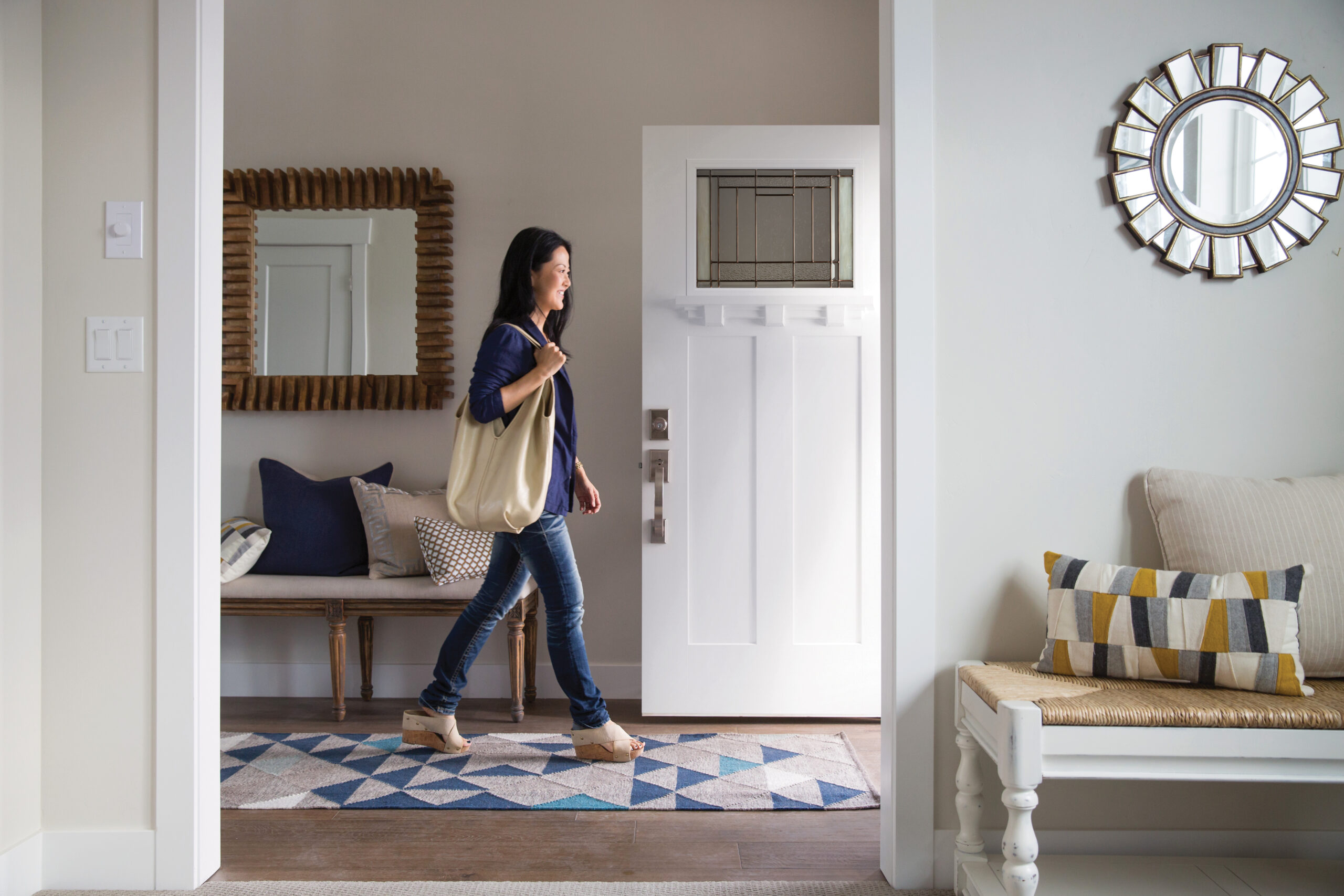
For example, a craftsman-style front door with divided glass may complement traditional double-hung windows. A sleek entry system with large glass panels may work better with modern windows and minimal trim.
Some projects may also require fire-rated exterior doors because of building code, property layout, or specific safety requirements. We should confirm those needs early with our contractor, architect, or building official so that the door system meets the project’s requirements.
8. We should work with a team that simplifies the choices
The number of window and door options can quickly become overwhelming. We may compare brands, materials, glass packages, finishes, hardware, grille patterns, installation methods, and lead times before making a decision.
Our process should make those choices easier. At Monmouth Millwork, we work as a manufacturer-direct broker, helping homeowners, builders, architects, and designers compare premium building materials with practical project goals in mind.
We can help us evaluate:
- Which window styles fit each room
- Which materials support the desired look and maintenance level
- Which performance features are most useful
- How windows and doors coordinate
- What installation details should be addressed
- How to balance long-term value with the project budget
Our product collection includes premium brands for windows, doors, hardware, trim, and millwork. By reviewing the full project together, we can often find a better solution than choosing each product separately.
9. We should make a clear checklist before requesting pricing
Before we ask for a proposal, it helps to gather basic project information. We should note the number of windows, approximate sizes, preferred styles, renovation goals, and any concerns with the existing units.
We can also prepare questions such as:
- Which window style is best for each room?
- How do the available single-hung and double-hung options compare?
- What glass package is appropriate for our home’s exposure?
- What frame materials and finishes are available?
- Will the new windows match the existing architecture?
- What is included in installation?
- Are there related door, trim, or millwork updates we should plan at the same time?
A detailed conversation at the beginning can help us make decisions more efficiently and reduce surprises during construction.
A better window purchase starts with the right guidance
Purchasing new windows is an important investment in comfort, energy efficiency, appearance, and long-term value. When we consider the entire project: from window style and performance to installation and surrounding millwork: we can create results that feel intentional and built to last.
Whether we are comparing double-hung and single-hung windows, selecting front doors New Jersey homes can be proud of, or planning a complete renovation, we do not have to sort through every option alone. Contact Monmouth Millwork to discuss your New Jersey project and take the next step with practical, design-focused guidance.