

Upgrading windows, doors, or millwork can improve how our homes look, feel, and perform: but choosing where to begin is not always simple. We have to balance curb appeal, energy efficiency, security, maintenance, budget, and the architectural character of the property.
Here in New Jersey, changing weather and a wide range of home styles make those decisions even more important. Whether we are renovating a historic home, building a new residence, or updating a commercial property, the right products should work together as one complete design.
This guide will help us prioritize the most important upgrades, compare popular options, and understand how a manufacturer-direct building materials broker can make the process easier.
1. Start with the Upgrade That Solves the Biggest Problem
The best first step is to identify the issue that affects comfort, safety, or daily use the most.
For example, we may want to prioritize:
- Drafty or difficult-to-operate windows that make rooms uncomfortable or increase heating and cooling costs.
- A worn or poorly sealed entry door that affects security and curb appeal.
- An outdated floor plan or unfinished entryway that would benefit from coordinated premium millwork.
- A code or safety requirement involving a fire-rated opening, commercial door, or separation between an attached garage and living space.
If a home has several problems, we usually recommend starting with performance and safety before decorative improvements. A beautiful door cannot compensate for an improperly measured opening, and new trim will not solve air leakage around aging windows.
A professional assessment can help us determine whether replacement, repair, or a fully custom solution makes the most sense. Our design consulting service includes blueprint take-offs, value-engineered options, and guidance that connects design goals with project budgets.
2. Choose Custom Doors When Standard Options Limit the Design
Custom doors can make a home feel more intentional because they allow us to match the door to the architecture instead of forcing the architecture to fit a standard size.
When we explore custom doors New Jersey homeowners and builders can use, we may consider:
- A wide single entry door with a transom above it
- Double French doors with divided-light glass panels
- A modern pivot door with clean lines
- A craftsman-style door with decorative sidelites
- A wood entry door sized for an older or unusually shaped opening
Custom doors can also solve practical challenges. We may need a specific height, width, wood species, finish, glass pattern, or hardware preparation. In older New Jersey homes, custom sizing can help us preserve the proportions of the original architecture while improving weather resistance and security.
When comparing custom doors NJ suppliers, we should look beyond the door slab. The frame, threshold, weatherstripping, glass, hardware, and installation all influence the final result.
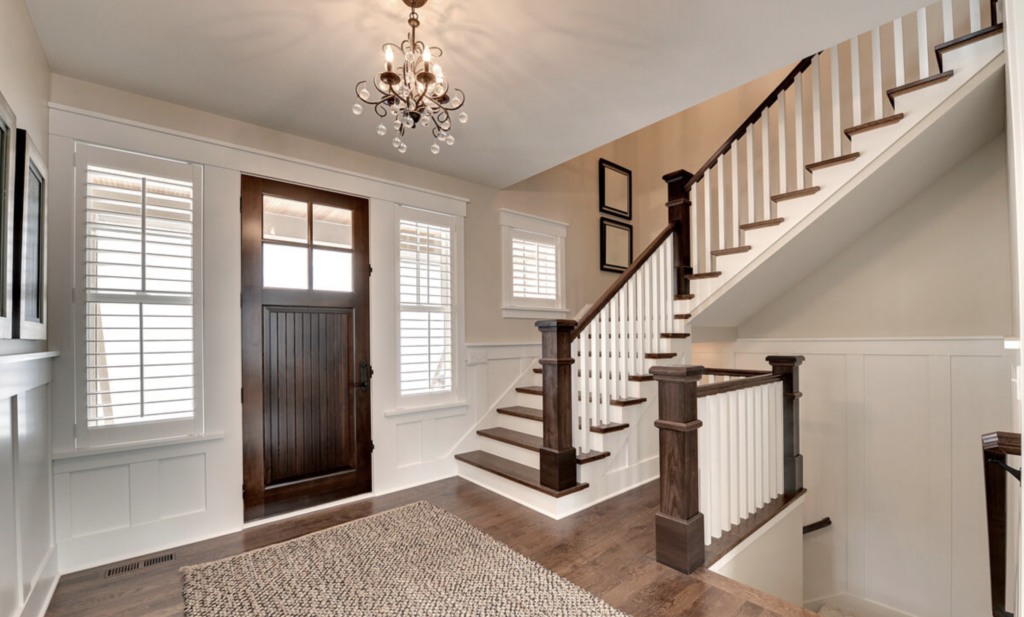
3. Treat the Front Door as Both a Design Feature and a Performance Upgrade
Our front door is one of the first details guests notice, but it also protects the home from wind, rain, temperature changes, and unwanted entry.
When we compare front doors New Jersey homeowners are considering, the right material often depends on the home and our maintenance preferences:
- Wood doors provide warmth and character. They work especially well with traditional, coastal, craftsman, and historic architecture. We should plan for periodic finishing and protection from direct weather exposure.
- Fiberglass doors offer a practical balance. They can replicate the look of wood while requiring less maintenance, making them a strong choice for busy households.
- Steel doors emphasize durability and security. They can be cost-effective and energy-efficient when paired with an insulated core and a properly sealed frame.
We should also consider the full entry system. A front door with sidelites, a transom, decorative glass, or custom casing may create a more complete design than changing the slab alone.
If we are searching for a door store New Jersey homeowners can rely on, or comparing door stores in NJ, we should ask whether the provider handles measurement, product selection, installation, and follow-up support. Keeping those steps connected reduces the risk of mismatched components or installation delays.
Explore Simpson Doors for made-to-order wood doors with customizable styles, species, finishes, and sizes. We can also review Glenview doors for distinctive European-inspired entry designs.
4. Confirm Whether Fire-Rated Exterior Doors Are Required
Fire protection is not simply a style decision. In some residential, multifamily, and commercial applications, the door must be part of a tested fire-rated assembly.
We may need fire-rated exterior doors or other fire-rated openings when a door is located in a wall or separation that requires a fire-resistance rating. Requirements may also apply near property lines, in exit enclosures, or in other locations identified by the architect, building official, or applicable code.
The key point is that the door alone may not be enough. We should confirm that the following components work together:
- Door slab or leaf
- Frame
- Hinges and hardware
- Glazing, if included
- Weatherstripping and closing devices
- Required labeling or documentation
Ratings may vary depending on the application, so we should not select a 20-, 45-, 60-, or 90-minute assembly based on guesswork. Our architect, contractor, or local code official should confirm the required rating before ordering.
This step is especially important for builders and contractors working on multifamily, mixed-use, commercial, or closely spaced properties. A supplier with experience in specialty doors can help coordinate product details before fabrication and installation.
5. Coordinate Premium Millwork with the Doors and Windows
Premium millwork gives a renovation or new build its finished appearance. It includes more than decorative trim; it helps connect separate architectural elements into one cohesive design.
For example, we might coordinate:
- Door casing and window casing so the profiles feel intentional throughout the home.
- Baseboards, crown molding, and wall paneling to reinforce the architectural style.
- Built-ins or entryway details that make a foyer more functional.
- Interior door and hardware finishes that relate to the exterior entry system.
- Muntin patterns and sightlines between nearby windows, sidelites, and French doors.
A contemporary home may benefit from simple, square-edged trim and minimal transitions. A traditional New Jersey Colonial may call for layered casing, crown molding, and more detailed profiles.
Our millwork collection includes options for both classic and modern interiors. By coordinating these details early, we can avoid selecting windows and doors that look disconnected once the trim is installed.

6. Compare Double Hung vs Single Hung Windows Before Purchasing New Windows
When we are purchasing new windows, the choice between double-hung and single-hung windows often comes down to ventilation, cleaning, appearance, and budget.
Here is the basic difference:
- Single-hung windows: The bottom sash moves while the top sash remains fixed.
- Double-hung windows: Both the top and bottom sashes move.
The practical comparison looks like this:
- Choose single-hung windows for straightforward value. With fewer moving parts, they can be a good fit for ground-floor rooms, rental properties, or projects where a lower initial cost matters.
- Choose double-hung windows for flexible ventilation. We can open the bottom sash to bring in air or open the top sash to release warm air.
- Choose double-hung windows for easier upper-floor cleaning. Many models tilt inward, allowing us to clean both sides from inside the home.
- Prioritize installation quality with either option. A high-quality window can still perform poorly if the opening is not measured, flashed, insulated, and sealed correctly.
For many New Jersey homes, double-hung windows work well on second floors because they offer ventilation and cleaning convenience. Single-hung windows may make sense on the first floor or where the project requires a simpler, more budget-conscious approach.
The best choice also depends on the frame material, glazing, orientation, and architectural style. We should evaluate the complete window rather than choosing based on operation alone.
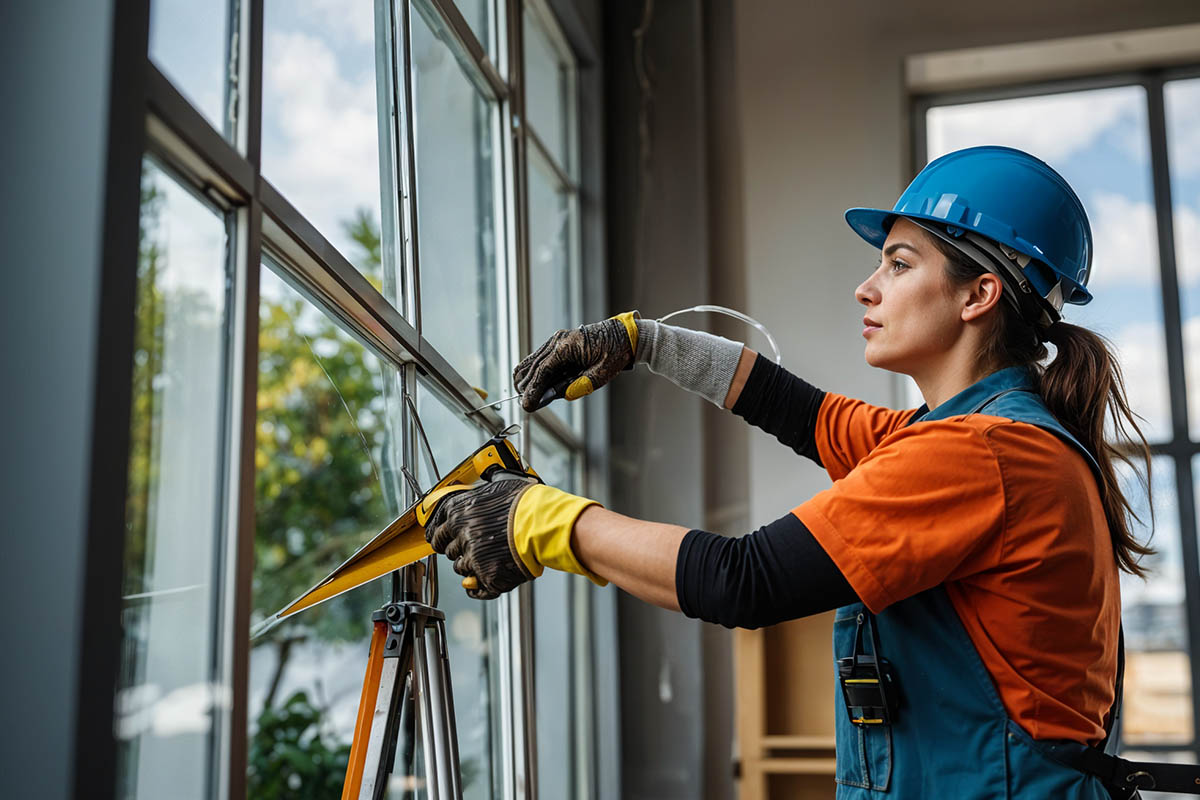
7. Evaluate Materials, Glass, and Energy Performance Together
A window or door performs as a system. The frame, glass, seals, installation, and surrounding wall condition all affect comfort and long-term value.
When we review products, we should ask about:
- Insulated double- or triple-pane glass
- Low-E coatings for improved thermal control
- U-factor and solar heat gain performance
- Frame material and maintenance requirements
- Weatherstripping and threshold design
- Air leakage and water management
- Compatibility with the existing siding, masonry, or trim
Premium brands can offer more design flexibility without sacrificing performance. Monmouth Millwork works with manufacturers including Kolbe, Sierra Pacific, Simpson Doors, and Glenview.
Kolbe’s offerings include composite, aluminum-clad wood, and architect-inspired window and door systems. Sierra Pacific combines natural wood character with modern performance, while Simpson provides made-to-order wood doors for traditional and contemporary designs.
8. Use the Manufacturer-Direct Broker Advantage to Protect the Budget
A manufacturer-direct broker can simplify a process that often feels overwhelming. Instead of comparing dozens of unrelated products alone, we can receive guidance on which brands and configurations fit the project.
The manufacturer-direct model may also provide better pricing because it reduces unnecessary layers between the product source and the customer. We can compare premium materials, finishes, configurations, and performance features while keeping the overall budget in view.
For homeowners, that means clearer choices and fewer surprises. For builders, architects, and designers, it can mean responsive proposals, product coordination, and support that fits the project schedule.
Monmouth Millwork provides installation services for custom doors, windows, and millwork. Our team works with installers and finish carpenters to support the project from product selection through final adjustments.
9. Prioritize Your Project with This Simple Checklist
Before we make a final decision, we can ask:
- What problem are we solving first? Comfort, security, water intrusion, appearance, code compliance, or maintenance?
- Which openings require custom sizing? Older homes and distinctive architectural designs often benefit from custom solutions.
- Do any doors require a fire rating? We should confirm this before ordering.
- Would double-hung or single-hung windows serve the room better?
- How will our new products coordinate with the trim and millwork?
- Who will measure and install the products?
- Can a manufacturer-direct broker provide better options and pricing?
When we answer these questions early, selecting windows, doors, and millwork becomes much more manageable.
Whether we are researching doors in NJ, planning a complete window replacement, or designing a high-end custom home, we do not have to make every decision alone. With thoughtful planning and expert guidance, we can create a home that feels more comfortable, performs more efficiently, and reflects the way we want to live here in New Jersey.
Contact Monmouth Millwork to begin planning your next window, door, or millwork upgrade.