

Here in New Jersey, our windows, doors, and millwork must handle two very different seasons. Hot, humid summers can stress finishes and seals, while cold, windy winters expose drafts, weak insulation, and poor installation.
The best choice is not always the most expensive material. It is the material, glass package, and construction method that match the opening, the room, the exposure, and the way we use the space. In this guide, we will compare the leading options for windows, doors, and premium millwork NJ homeowners and builders consider today.
1. Start with the performance demands of our climate
We get better long-term results when we choose materials based on performance first and appearance second. A south-facing window, a covered front entry, and a coastal patio door may all need different solutions.
We typically look for:
- Strong resistance to moisture and seasonal movement
- Insulated frames and glass
- Reliable weatherstripping
- Durable exterior finishes
- Proper drainage and flashing
- Professional installation
- Glass selected for both winter heat retention and summer solar control
For example, a beautiful wood door may perform very well beneath a deep roof overhang. The same door may require more maintenance when fully exposed to driving rain, direct sun, and coastal air.
Our window and door services are designed to bring these details together before products are ordered.
2. Choose the right material for windows and doors
Each material offers a different balance of beauty, durability, energy efficiency, and maintenance.
Wood
Wood remains a favorite for its warmth, natural grain, and design flexibility. It works especially well for traditional homes, historic renovations, and premium interiors where we want the window or door to coordinate with surrounding millwork.
The tradeoff is maintenance. Wood expands and contracts as humidity changes, so exterior surfaces need regular sealing, painting, or staining. For front doors New Jersey homeowners want to make into a focal point, wood can be an excellent choice when the entry has protection and the finish receives proper care.
Fiberglass and composite
Fiberglass and composite materials provide excellent dimensional stability through New Jersey’s temperature swings. They resist rot, swelling, and cracking better than many traditional wood products, and some can closely mimic the appearance of natural grain.
For many exterior doors NJ projects, fiberglass is a practical all-around choice. It can offer an insulated core, strong weather resistance, and lower maintenance than solid wood. Composite window frames also work well when we want a clean appearance with dependable performance in humid summers and freezing winters.
Kolbe’s Forgent Series is one premium example of composite construction for homeowners and builders seeking strength, stability, and weather resistance.
Steel
Steel offers excellent strength and security, making it a strong option for selected entry doors and commercial applications. Insulated steel doors can also provide good thermal performance.
We should pay close attention to corrosion protection, especially near the Jersey Shore. A high-quality finish, proper drainage, and routine inspection are important wherever salt air and moisture are present.
Aluminum
Aluminum is lightweight, durable, and well suited to modern designs with narrow sightlines and large expanses of glass. Because metal can conduct heat, we should look for thermally improved construction, insulated glass, and carefully designed frames.
Aluminum windows can be a good fit for contemporary homes, commercial buildings, and large openings. Our aluminum window collection shows how the material can combine a clean profile with practical durability.
Aluminum-clad wood
Aluminum-clad wood gives us a real wood interior and a more weather-resistant aluminum exterior. This combination is especially useful when we want the warmth of wood inside but do not want to repaint or restain the exterior as frequently.
Kolbe and Sierra Pacific both offer premium aluminum-clad window and door solutions. We can explore Kolbe windows and doors or Sierra Pacific products when a project calls for architectural flexibility, custom sizing, and high-performance glazing.
3. Select glass packages that improve comfort year-round
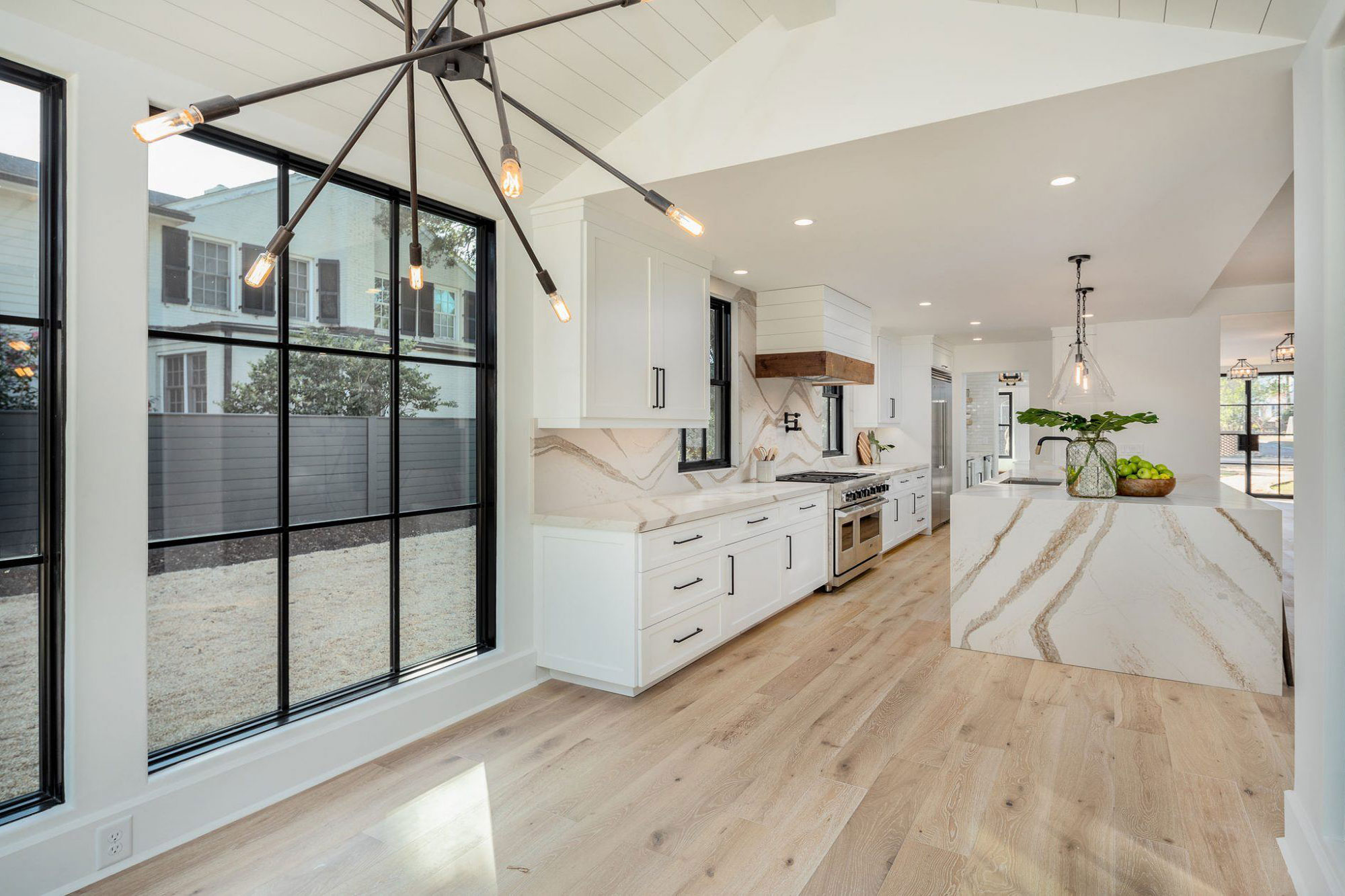
When we are purchasing new windows, the frame is only part of the decision. The glass package often has the greatest effect on comfort, glare, fading, and energy use.
We commonly consider:
- Low-E coatings: These reduce unwanted heat transfer. The right coating can help keep indoor heat inside during winter while limiting solar heat gain during summer.
- Insulated glass: Double-pane glass creates an insulating airspace, while triple-pane glass can provide even greater thermal performance for demanding projects.
- Argon gas fills: Argon between the panes can improve insulation when paired with a properly sealed insulating glass unit.
- Solar-control glass: This can be helpful on large south- and west-facing windows that receive strong afternoon sun.
- Impact or laminated glass: Coastal and storm-exposed properties may benefit from enhanced glass packages, depending on local requirements.
- Warm-edge spacers: These can reduce heat transfer around the perimeter of the glass and help limit condensation.
We should always review the product’s NFRC ratings, local code requirements, and the orientation of each opening rather than selecting one glass package for every room.
4. Match double hung and single hung windows to each room
The choice between double hung vs single hung windows often comes down to ventilation, maintenance, and the character of the room.
- Double hung windows: Both sashes operate, allowing us to open the top and bottom portions. This gives us more control over ventilation and works well in bedrooms, living rooms, and traditional homes. We can open the lower sash for fresh air and the upper sash to release rising warm air.
- Single hung windows: The bottom sash operates while the upper sash remains fixed. With fewer moving components, single hung windows can offer a simpler, more airtight design and may be a practical choice for utility rooms, stairwells, and spaces where ventilation needs are limited.
For windy exposures, we often compare single hung, casement, and fixed windows based on the project’s performance goals. For a classic New Jersey exterior, wood or aluminum-clad double hung windows may provide the right combination of proportion and function. For a low-maintenance renovation, composite or fiberglass options may be a better fit.
We can review additional options through our window collections.
5. Use custom doors for better fit, security, and design
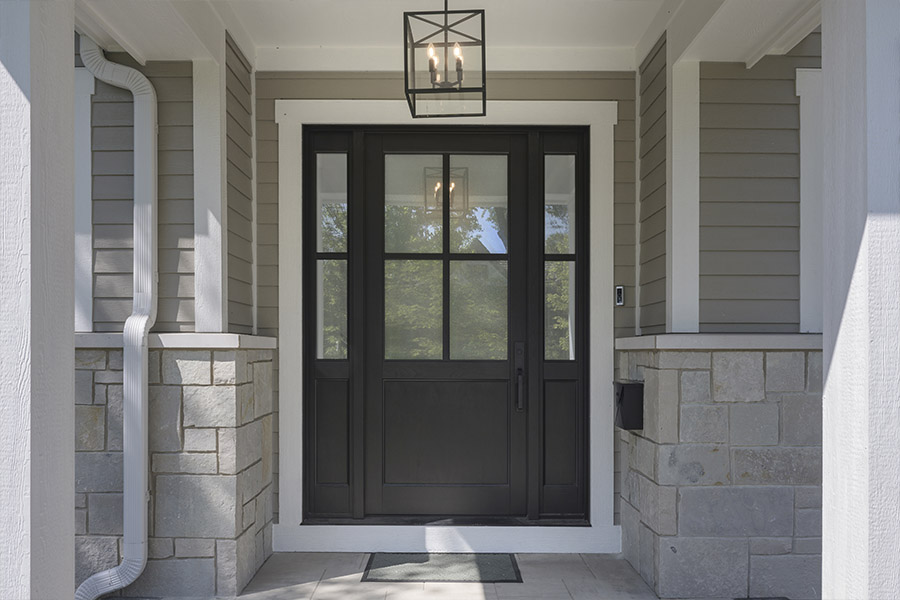
Custom doors NJ homeowners choose should do more than fill an opening. The right door should improve curb appeal, reduce drafts, operate smoothly, and fit the architecture.
Custom sizing is particularly valuable when we are working with:
- Older homes with nonstandard openings
- Oversized front entries
- Wide French door configurations
- Pivot doors
- Multi-panel patio doors
- Doors with sidelites or transoms
- Replacement openings that are slightly out of square
For example, a custom front entry with two sidelites may bring in more natural light while creating a stronger architectural focal point than a standard-size slab. A set of French doors with glass panels can connect a dining room to a patio while maintaining a traditional appearance.
Our exterior door collection includes solutions for classic, contemporary, and transitional homes. We also offer made-to-order options from trusted brands such as Simpson Doors and Glenview Doors.
Simpson is a strong choice when we want extensive wood species, profiles, glass options, and custom sizing. Glenview is well suited to modern entries that call for engineered construction, premium finishes, large proportions, or European-inspired details.
6. Understand when a fire-rated exterior door is required
Fire-rated exterior doors are not selected by appearance alone. We need to confirm the location, required rating, and applicable building code with the local authority having jurisdiction.
A fire-rated door is an assembly, not simply a rated slab. The complete system may include:
- A labeled door leaf
- A compatible labeled frame
- Approved hinges
- A closer when required
- Listed lock or latching hardware
- Rated glass and glazing components
- Intumescent seals or edge protection
- Proper installation and approved modifications
A door between a garage and living space is one common example where fire protection may be required. Multi-family, commercial, and mixed-use projects can involve additional requirements and higher ratings.
We should never assume that a fire-rated slab can be installed in any frame or paired with any hardware. Our team can help coordinate the product, assembly components, and project documentation before ordering.
7. Coordinate premium millwork with the entire design
Premium millwork helps windows and doors feel intentional rather than added as separate pieces. Interior trim, window surrounds, cabinetry, shutters, railings, and other architectural details can reinforce the scale and style of the home.
For interior millwork, we may compare hardwood, engineered wood, and high-quality MDF based on the profile, finish, humidity, and expected wear. Engineered materials can provide stability for painted casing, built-ins, and detailed trim.
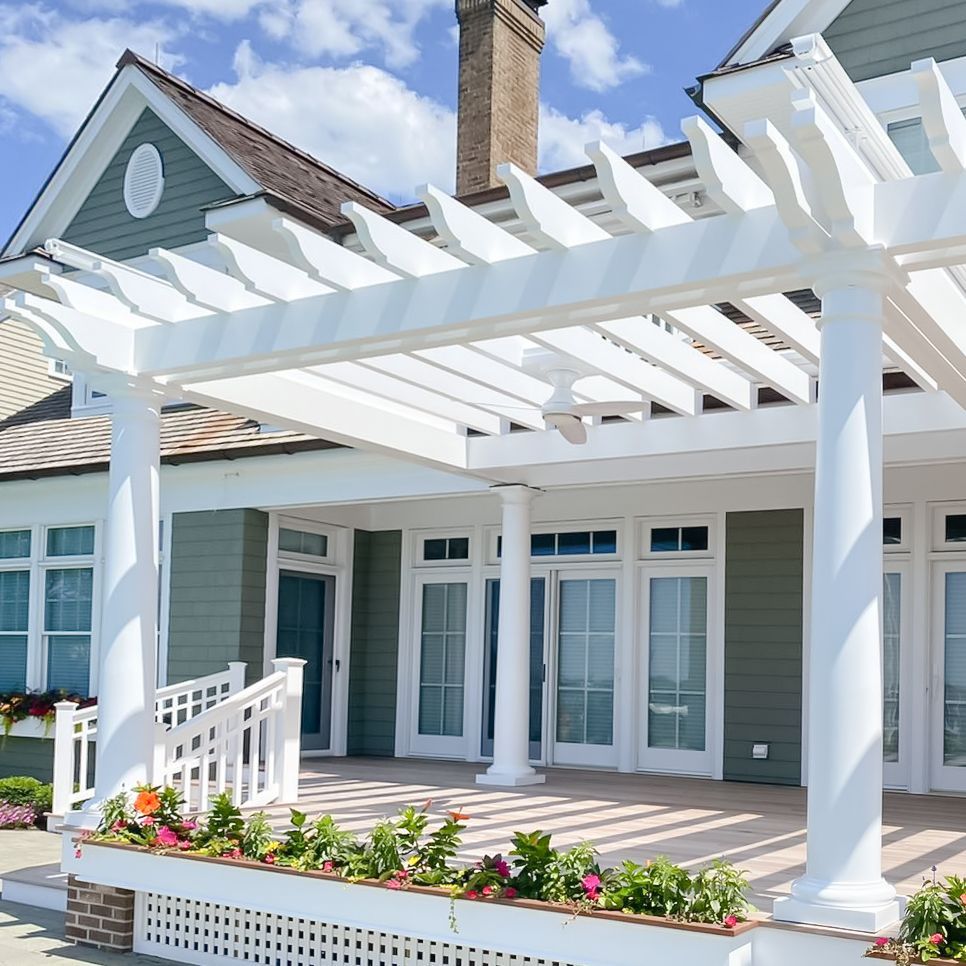
For exterior applications, we often consider cellular PVC, fiber cement, cedar, aluminum, and exterior-grade hardwoods. These materials can help window surrounds, trim, pergolas, and decorative elements withstand rain, sunlight, freeze-thaw cycles, and humidity.
Our premium millwork collection includes cabinetry, interior trim, window surrounds, pergolas, railings, shutters, and other architectural elements.
8. Look for guidance: not just a product showroom
When comparing a door store New Jersey homeowners can trust, we should look beyond the number of products displayed. A reliable provider should help us evaluate the entire project.
We recommend looking for a team that offers:
- Manufacturer-direct access and transparent pricing
- Experience with custom sizing and unusual openings
- Detailed glass and frame recommendations
- Knowledge of local weather and coastal exposure
- Coordination with builders, architects, and designers
- Professional installation and replacement services
- Support after delivery and installation
- Clear documentation for specialty and fire-rated products
At Monmouth Millwork, we bring together premium brands, design consultation, installation, and post-sales support. As a manufacturer-direct broker, we help reduce the guesswork while giving homeowners and professionals access to products from Kolbe, Sierra Pacific, Simpson Doors, Glenview, and other respected manufacturers.
For a closer look at material, glass, sizing, and installation options, we invite you to contact us. We will review the details with you and help create a window, door, and millwork package that performs beautifully through every New Jersey season.