
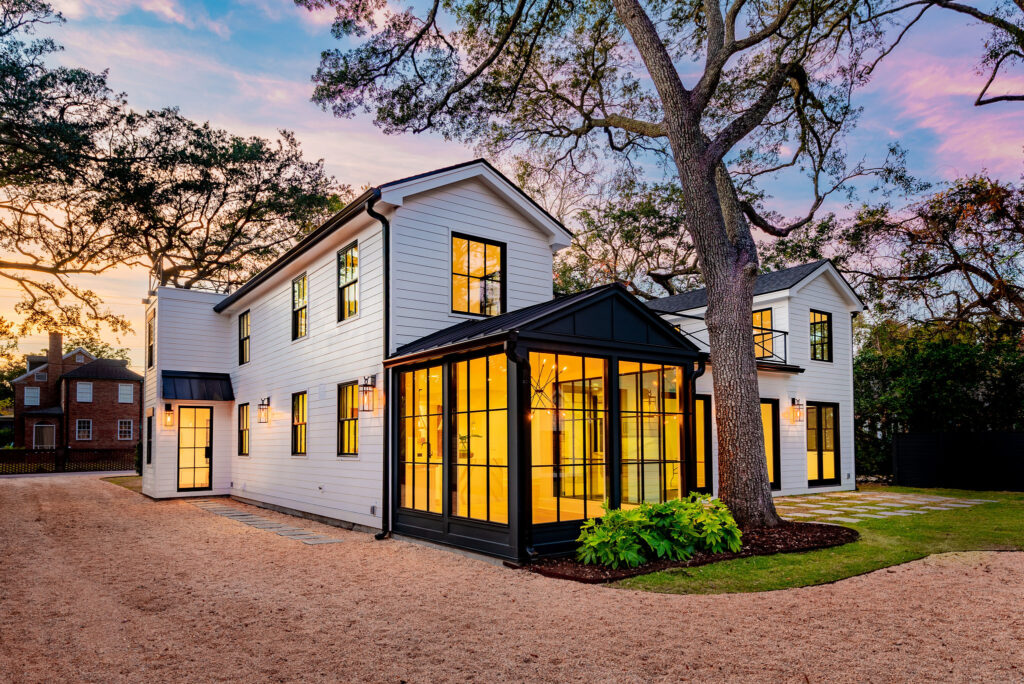
When we’re purchasing new windows for a New Jersey home, we’re usually thinking about more than appearance. We want better comfort, easier maintenance, improved energy efficiency, and a design that feels right for the home.
One of the most common decisions we face is choosing between double hung vs single hung windows. Both styles offer a classic look and reliable ventilation, but they work differently. By understanding the benefits of each, we can make a more confident choice for every room, floor, and budget.
1. Start with the basic difference between the two window styles
The main difference is simple: how many sashes open.

-
Single hung windows have one movable sash.
The lower sash slides upward to provide ventilation, while the upper sash remains fixed. This straightforward design gives us a traditional appearance with fewer moving parts. -
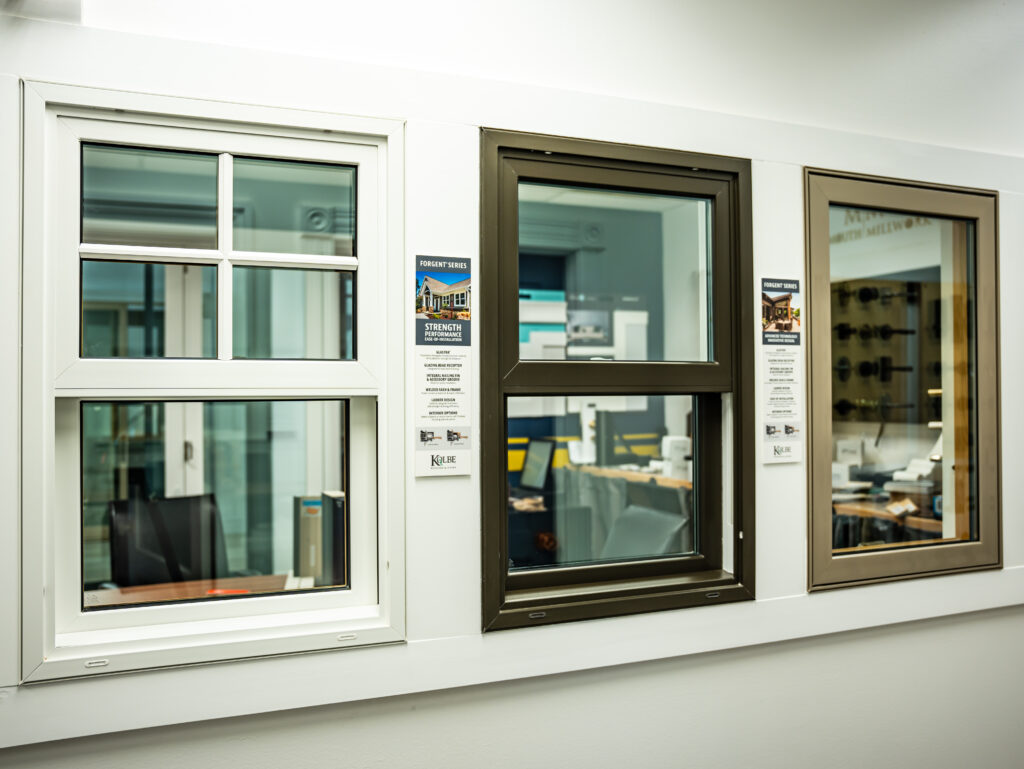
Double hung windows have two movable sashes.
We can open the lower sash, the upper sash, or both at the same time. This gives us greater control over airflow and makes the window more flexible in busy rooms. -
Both styles can fit traditional and transitional homes.
We commonly see hung windows in Colonial, Cape Cod, Craftsman, farmhouse, and classic New Jersey home designs. With the right grille pattern, finish, hardware, and proportions, either style can complement the architecture.
For a more detailed explanation of how the two styles operate, we can review Andersen’s comparison of single hung and double hung windows.
2. Choose single hung windows when simplicity and value matter most
Single hung windows can be an excellent choice when we want dependable performance without paying for features we may not use.
-
We usually pay less for a simpler design.
Because single hung windows have fewer operating components, they often cost less than comparable double hung windows. That difference can be helpful when we’re replacing many windows at once. -
We may gain a slight efficiency advantage.
With fewer moving parts and seals, single hung windows can have fewer potential paths for air infiltration. The difference depends on the frame, glass package, product line, and installation, but the simpler design can support efficient performance. -
They work well in easy-to-reach locations.
A single hung window may be a practical fit for a first-floor bedroom, a utility room, or a window above a kitchen counter where we do not need to open the upper sash. -
They offer a clean, classic appearance.
For example, we might use single hung windows throughout a sunroom or on a lower-level addition where the ventilation needs are straightforward and exterior cleaning is convenient.
We should still look closely at the specific product. Features such as insulated glass, low-emissivity coatings, weatherstripping, frame material, and professional installation can have a greater impact on comfort than the sash configuration alone.
3. Choose double hung windows when ventilation and cleaning are priorities
Double hung windows offer more flexibility, which can make them especially useful in New Jersey homes with multiple floors or rooms that need regular airflow.
-
We can ventilate from the top, bottom, or both.
Opening the lower sash lets fresh air enter. Opening the upper sash allows warm air to escape near the ceiling. When both sashes are open, we can create more effective natural airflow in a bedroom, family room, or upstairs hallway. -
We can clean both sides from inside the home.
Many modern double hung windows tilt inward, allowing us to clean the exterior glass without using a ladder. This is a meaningful benefit for second-story windows, tall landscaping, and homes with difficult-to-access elevations. -
We can manage airflow while keeping the lower opening closed.
In some rooms, opening only the top sash provides ventilation while keeping the lower portion closed. We should always follow product instructions and use appropriate safety practices, but this flexibility can be helpful for families with children or pets. -
They make sense for upper floors.
When we’re replacing windows in a two-story New Jersey home, double hung windows often provide better long-term convenience upstairs. We may appreciate the easier cleaning and additional ventilation for years after installation.
Pella’s guide to single hung and double hung windows also explains how cleaning, ventilation, cost, energy performance, and installation can influence the decision.
4. Compare energy efficiency as a complete window system
When we’re purchasing new windows, it’s easy to focus only on whether the window is single hung or double hung. In practice, the full system matters more.
-
We should review the glass package.
Double-pane insulated glass, low-E coatings, and gas-filled spaces can help reduce heat transfer. These features support more consistent indoor temperatures during New Jersey winters and humid summers. -
We should compare frame materials.
Wood, vinyl, fiberglass, aluminum-clad, and composite windows each offer different combinations of appearance, durability, maintenance, and energy performance. A natural wood interior may support a traditional design, while a durable exterior finish can reduce upkeep. -
We should prioritize proper installation.
Even a premium window can underperform if it is not sized, flashed, sealed, and installed correctly. A careful installation helps protect against drafts, moisture, and premature wear. -
We should select each window based on the room.
For instance, we may choose double hung windows for an upstairs bedroom where cleaning and ventilation matter. We may choose single hung windows for a ground-floor space where the fixed upper sash meets our needs.
At Monmouth Millwork, we help homeowners and building professionals compare the complete solution rather than focusing on one specification in isolation. Our window collection includes options in wood, vinyl, aluminum, aluminum-clad, and simulated steel styles.
5. Use a mixed window strategy to balance comfort, design, and budget
We do not have to use the same window type in every opening. A thoughtful combination can give us the benefits of both styles while maintaining a consistent exterior appearance.
-
Use double hung windows in key living areas.
A family room with several windows may benefit from increased airflow. A bathroom may benefit from the ability to vent humidity from the upper sash. -
Use double hung windows on upper floors.
Easy interior cleaning can be one of the strongest reasons to select double hung windows for second-story bedrooms and hallways. -
Use single hung windows in secondary areas.
A laundry room, garage, basement, or first-floor utility space may not need two operating sashes. A single hung window can provide light and ventilation while helping us manage the overall project cost. -
Maintain a consistent visual design.
Because both styles can share similar frame profiles, grille patterns, colors, and finishes, we can often combine them without creating a mismatched appearance.
This room-by-room approach is especially helpful for builders, architects, and homeowners managing a whole-home replacement or new construction project.
6. Coordinate windows with doors and premium millwork
Windows are only one part of a larger design. When we’re upgrading a home, the right windows should work with the entry doors, interior trim, cabinetry, and other millwork.
-
Match the architectural character.
A traditional home may call for divided-light double hung windows, a wood front door, and carefully proportioned trim. A modern home may look better with dark frames, larger glass areas, and streamlined hardware. -
Consider the entire exterior elevation.
When we select windows, we should also review how they relate to the entry, garage, porch, and rear patio. Consistent colors and proportions can make the whole home feel more intentional. -
Explore premium manufacturers.
We work with respected brands such as Kolbe, Sierra Pacific, Simpson Doors, and Glenview Doors. These product lines give us access to refined materials, custom configurations, and design details for both residential and commercial projects. -
Look beyond the window opening.
Premium millwork can include interior casing, exterior trim, custom entry systems, specialty doors, and architectural details that help tie the project together.
For homeowners searching for custom doors New Jersey, custom doors NJ, or doors in NJ, the same design process applies. We can help coordinate front doors in New Jersey, exterior doors NJ, interior millwork, and even fire-rated exterior doors when the project requires specialized performance.
7. Work with a local team that simplifies the selection process
Choosing between double hung vs single hung windows is easier when we consider the home as a whole. We should review the room location, cleaning access, ventilation needs, architectural style, efficiency goals, and total project budget before making a final decision.
As a manufacturer-direct broker, Monmouth Millwork helps us access premium building materials with better pricing and clearer guidance. We provide expert consultation for homeowners, builders, contractors, architects, and designers throughout New Jersey.
Our support can include:
- Product and design consultation to compare materials, styles, glass packages, and finishes.
- Custom window and door planning for replacement, renovation, new construction, residential, and commercial work.
- Professional installation coordination to support proper fit, sealing, and long-term performance.
- White-glove service from the first conversation through post-sales support.
If we are comparing a door store in New Jersey or researching door stores in NJ, we should look for more than a showroom full of products. The right partner should help us make informed decisions and manage the details that affect comfort, value, and lasting performance.
Our services team can help us review the best window and door options for the property. We can also schedule a consultation to begin planning a solution that fits our home, design goals, and budget.