
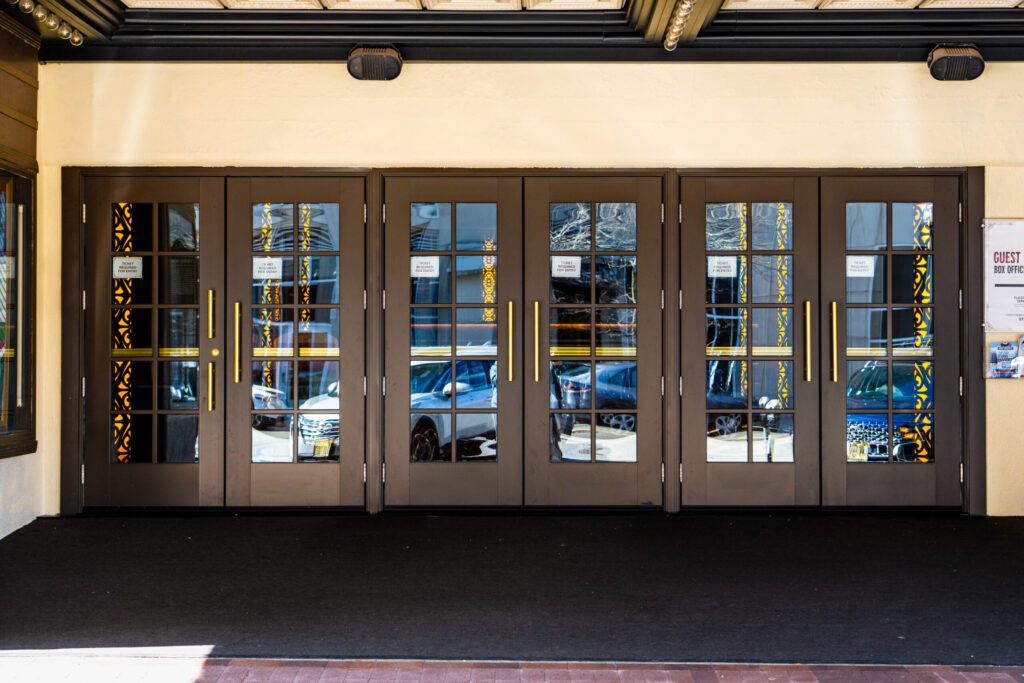
Choosing a door store in New Jersey involves more than finding a nearby showroom or comparing prices online. The right provider helps us connect design, performance, budget, and installation so the finished project looks beautiful and works properly for years.
Whether we are replacing a front entry door, purchasing new windows, or selecting materials for a commercial building, the provider we choose can affect the entire experience. Here is how we can evaluate door stores in NJ and find the right partner for custom doors, windows, and premium millwork.
1. We should start by identifying the kind of provider we need
Not every company that sells doors and windows offers the same level of guidance or service. We may find big-box retailers, single-brand manufacturers, specialty showrooms, installers, and manufacturer-direct brokers throughout New Jersey.
A big-box retailer can be convenient for a standard-size replacement door or basic window. However, we may have fewer choices when we need custom dimensions, unusual configurations, matching trim, premium finishes, or help coordinating several products.
A manufacturer-direct broker works differently. Instead of limiting us to one product line, the broker connects us with carefully selected manufacturers while helping us compare the right options for the project. This model can provide better pricing than traditional retail while preserving access to design guidance and premium products.
At Monmouth Millwork, we work with builders, architects, designers, contractors, and homeowners who want more than a product off the shelf. Our product collection includes solutions for residential and commercial projects, from custom doors and windows to trim, molding, hardware, and other millwork.
2. We should look for a product range that supports the entire project
A strong door store should offer enough variety to solve the project, not simply display the same standard styles in different colors.
For example, a homeowner may need a custom front entry door with sidelites, matching interior trim, energy-efficient windows, and a new patio door. A builder may need several window styles, exterior doors, hardware, and premium millwork across an entire home. A commercial project may require durable doors, large glass openings, and products that meet specific performance or safety requirements.
We should ask whether the provider can help us with:
- Custom doors in New Jersey, including non-standard sizes, glass options, wood species, stains, and paint finishes.
- Exterior doors in NJ, such as entry doors, patio doors, French doors, and commercial openings.
- Fire-rated exterior doors when the project requires a tested door assembly and code-conscious product selection.
- Windows, including casement, awning, picture, specialty, double hung, and single hung styles.
- Premium millwork, such as baseboards, casing, crown molding, shutters, and architectural trim.
- Hardware and finishing details, including handles, locks, hinges, and coordinating finishes.
Our brands and products include Kolbe, Sierra Pacific, Simpson Doors, Glenview, and other respected manufacturers. Each brand brings different strengths, so we can recommend products based on the architecture, opening sizes, performance goals, and budget instead of forcing every project into one catalog.
3. We should evaluate consultation, not just selection
The best door stores in NJ do more than show us attractive products. They ask questions that help us make a better decision.
During a consultation, we should expect to discuss:
- The architectural style of the home or building
- Existing opening dimensions and site conditions
- Desired natural light and ventilation
- Privacy, security, and ease of operation
- Energy performance and comfort
- Coastal exposure, weather, and maintenance needs
- Local requirements and project timelines
- Installation responsibilities and finishing details
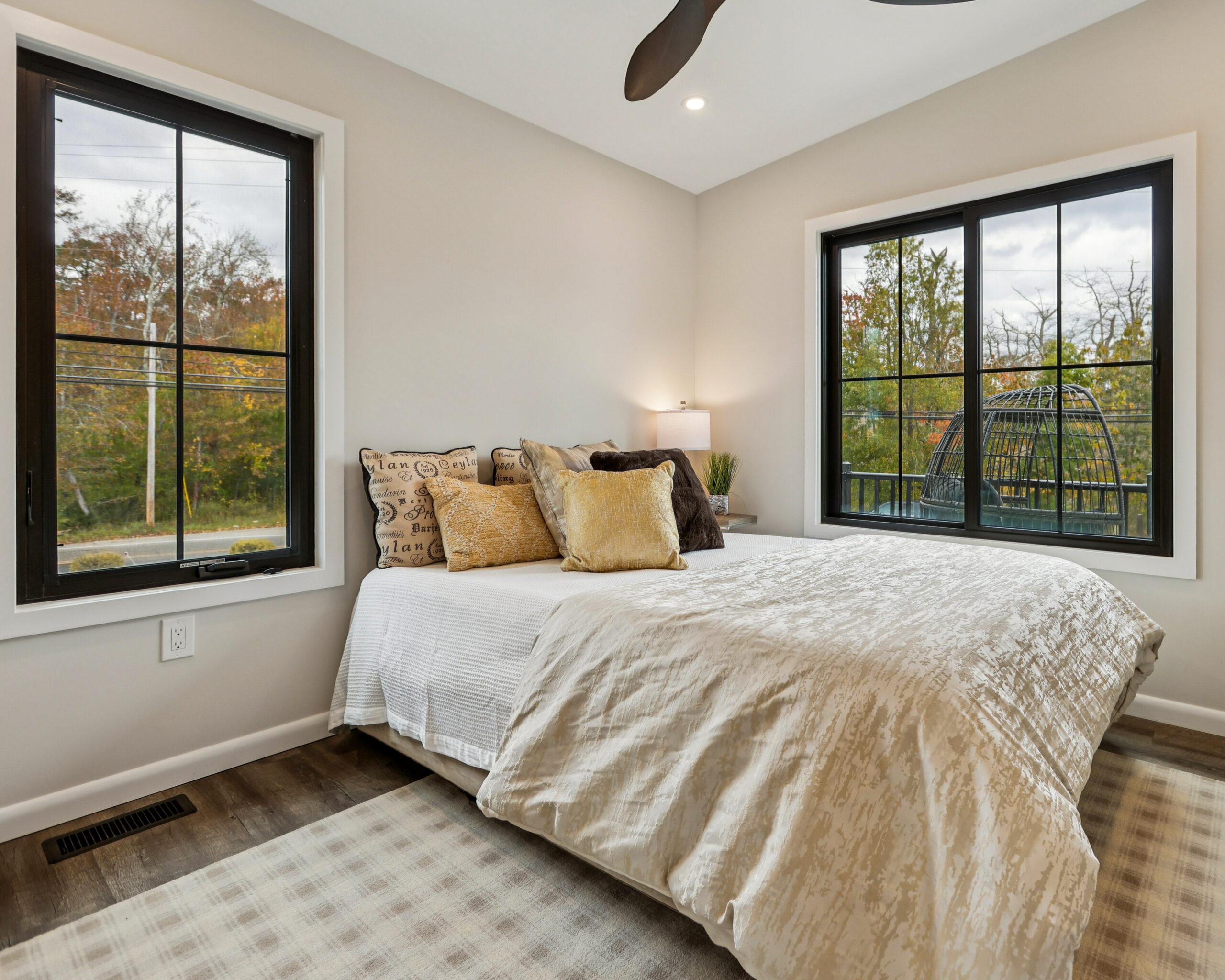
For instance, when we compare double hung vs. single hung windows, the decision should reflect how we use the room. A double hung window allows both sashes to move, which can improve ventilation and make some cleaning tasks easier. A single hung window generally opens from the bottom and may offer a simpler, more economical solution.
Neither option is automatically right for every room. We may choose double hung windows for bedrooms, living areas, or spaces where flexible ventilation matters. We may consider single hung windows for certain new construction or budget-conscious applications where straightforward operation meets our needs.
This kind of practical discussion helps us avoid choosing a product based only on appearance or a short-term price.
4. We should compare manufacturer-direct value with big-box pricing
The lowest advertised price does not always represent the lowest overall project cost. A standard product may appear affordable until we add special sizing, upgraded glass, hardware, delivery, installation, trim, repairs, or changes caused by an incorrect measurement.
A manufacturer-direct broker can help us compare the full value of different options. Because the provider works directly with manufacturers, we may gain access to better pricing on premium products without giving up consultation and project coordination.
We should ask each door store:
- Is the estimate for the product only, or does it include installation?
- Are measurements, delivery, disposal, and final adjustments included?
- What happens if the existing opening needs repair?
- Are hardware, screens, trim, and finishing included?
- How are product changes or delays handled?
- Who will answer questions after the installation?
Clear answers help us compare estimates fairly. They also show whether the company is prepared to manage the details that often determine whether a project feels easy or stressful.
5. We should confirm that installation is part of the solution
Even a premium window or door can perform poorly if the opening is not prepared correctly or the product is not installed with care. Drafts, water infiltration, sticking doors, uneven reveals, and damaged trim can all result from installation problems.
That is why we should ask whether the door store provides installation, works with qualified installers, or simply delivers the product and leaves the rest to us.
A full-service process may include:
- Reviewing measurements and existing conditions
- Confirming the product specifications
- Preparing the opening
- Installing and securing the door or window
- Checking operation, alignment, and weather sealing
- Coordinating trim, hardware, and finishing
- Answering post-installation questions
Our custom French door project illustrates the value of treating product selection and installation as one connected process. Whether we are completing a door replacement or a larger window installation, careful planning helps protect both the appearance and long-term performance of the project.
6. We should choose products that fit the application
The right product depends on where and how we plan to use it.
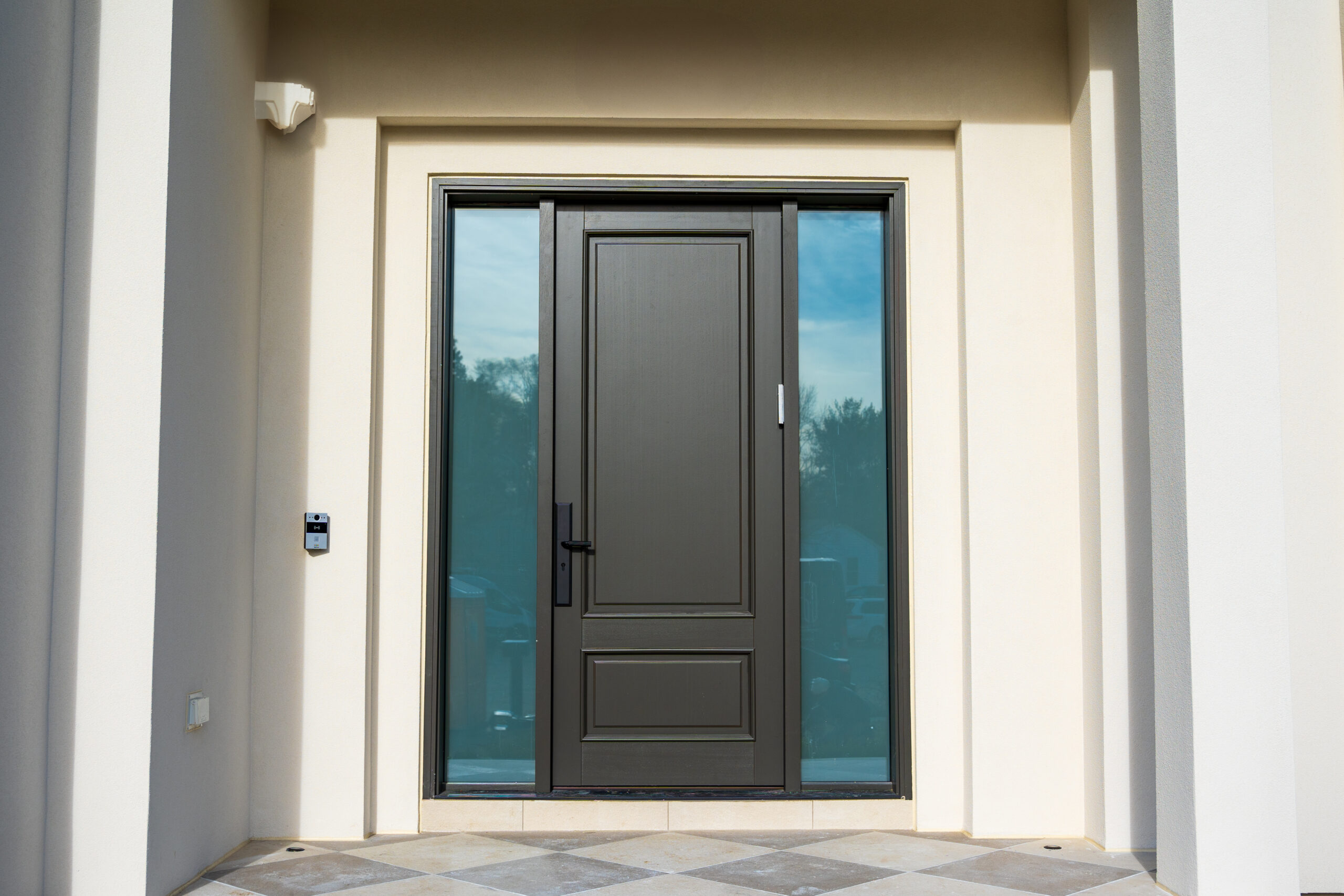
For a front entry, we may prioritize curb appeal, security, weather resistance, glass design, and a welcoming first impression. Simpson Doors can provide made-to-order wood doors with options for styles, wood species, finishes, and custom sizes. Glenview offers another option for distinctive, design-focused entry systems.
For exterior doors near the coast, we should discuss exposure to wind, moisture, salt air, and intense sunlight. A provider familiar with New Jersey homes can help us consider materials, finishes, hardware, and maintenance requirements before we order.
For commercial work, we may need durable door systems, larger openings, consistent appearance across multiple entrances, and products that meet project-specific performance requirements. Fire-rated exterior doors may also be necessary in particular applications. We should ask for documentation and confirm that the complete assembly, not only the door slab, meets the required rating and installation conditions.
For windows, brands such as Kolbe and Sierra Pacific offer design flexibility for both traditional and contemporary architecture. We may select large glass areas for natural light, wood interiors for warmth, or durable exterior materials for easier maintenance.
7. We should expect a clear process from consultation through support
A reliable door store should explain what happens next at every stage. We should know who is responsible for measuring, ordering, delivery, installation, inspections, adjustments, and follow-up service.
At Monmouth Millwork, we approach each project as if it were our own. We review the details, compare appropriate manufacturer options, and help coordinate the process from the first conversation through installation and post-sales support.
Our project gallery provides examples of the level of detail that goes into residential and commercial window, door, and millwork work. We can also review specific goals during a consultation, whether we are selecting one new entry door or coordinating an entire building package.
8. We should select a partner, not just a place to buy a door
The right door store in New Jersey helps us make confident decisions without overwhelming us with hundreds of disconnected choices. We should look for a provider that combines manufacturer-direct access, premium brands, practical design guidance, accurate coordination, and dependable installation support.
When we choose carefully, custom doors in NJ become more than a style upgrade. They can improve the way our home or building looks, feels, performs, and welcomes people inside. The same is true for windows and millwork: the best results come from bringing all the details together.
Here in New Jersey, we do not have to manage that process alone. We can start with our priorities, bring photos or plans to the conversation, and work with a knowledgeable team to find a solution that fits our project, our property, and our long-term goals.