
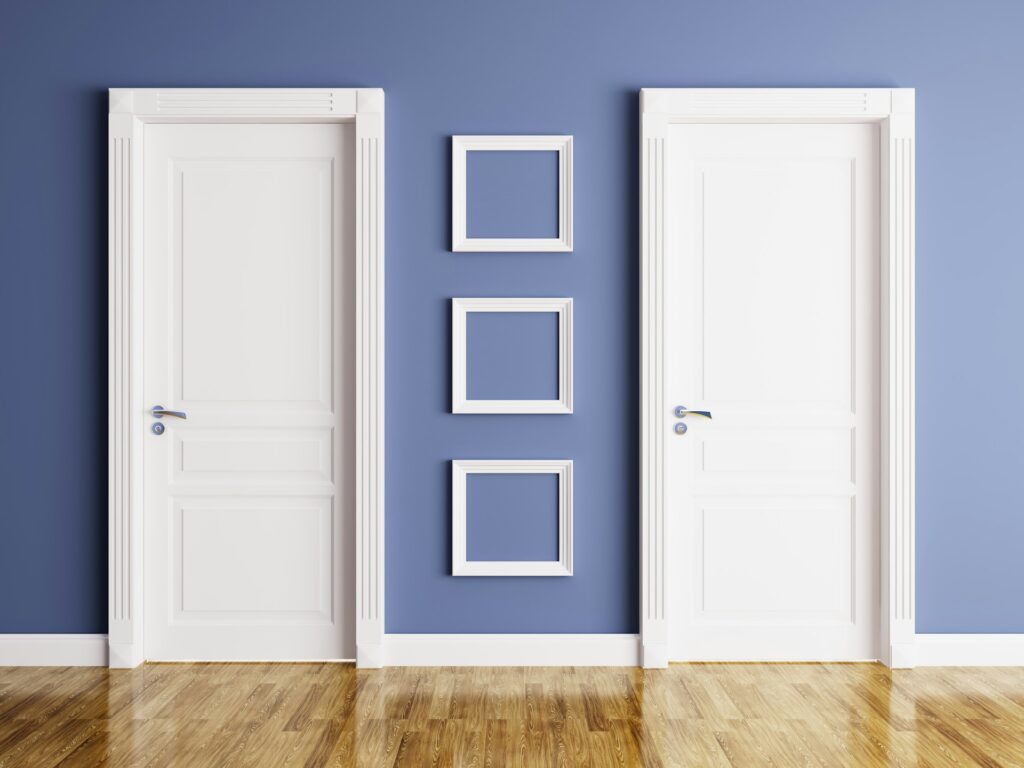
When you walk into a home with classic style, the little parts stand out just as much as the big ones. Floors, trim, and even light switches add to the overall feel. But doors might be one of the most powerful pieces of all. They are not only used every day, they connect rooms in a way that shapes how the whole home feels. If you live in an older or character-rich house, choosing the right ones really matters.
That is why traditional interior doors are such a natural fit. They are made to feel timeless, not trendy, with designs that blend instead of compete. This kind of door can match trim styles, echo historic details, or carry a certain quiet charm that just works. Below, we will look at different styles, materials, and design details that help these doors fit right into classic homes across places like New Jersey.
Choosing Doors That Match Classic Architecture
Older homes often carry strong personalities. The front porch, the woodwork, the layout, all of it tells a story. Choosing the right interior door means paying attention to these clues and finding a style that keeps the story going rather than interrupting it.
• Colonial homes usually lean toward simple, symmetrical panel arrangements, often in white or natural wood tones.
• Craftsman styles call for solid frames, clean lines, and doors with shaker-style panels or quiet glass inserts.
• Farmhouse homes often work best with wood textures, soft paints, or planked designs that feel relaxed and lived-in.
• Victorian homes bring in more detail with tall doors, intricate molding, or even curved trim work near the top.
Wood grain, stain, and trim shapes help pull each style together. Even a small detail, like the way the panels are raised or the trim runs along the edge, can bring consistency to the space. When the door matches the home’s age and style, it does not have to shout, it fits quietly and improves the flow of every room around it.
Style Elements That Define Traditional Interior Doors
There is a reason you can recognize a traditional door even at a glance. These doors are not overly modern or sleek. They have substance, shape, and a kind of balance that just feels right.
• Most traditional interior doors use two, four, or six raised panels. These panels give structure without feeling too heavy.
• Shaker-style doors, known for their flat panels and square edges, keep things clean and simple.
• Arch tops or curved insets bring softness without turning into bold statements.
• Partial glass inserts, usually frosted or lightly textured, are common in between-room doors, offering light but still giving privacy.
Symmetry matters too. Doors that feel balanced in height and width help create a rhythm as you move from one room to the next. In homes with matching baseboards and casings, a door with the right shape and size will fall into place naturally. That balance is what makes a traditional door feel like it belongs.
Materials That Work Well in Older or Character-Rich Homes
Classic homes were not built with off-the-shelf parts. That is why choosing the door material matters just as much as picking a style. The goal is to find something strong and good-looking, but also practical, especially in homes that may shift slightly with the seasons.
• Solid wood brings weight, warmth, and a natural grain that shows off real character.
• Wood composites can offer stability in places humid or drafty, especially in older homes with less insulation.
• Veneers over a solid or composite core allow for consistent texture and color, while keeping the door lighter.
Some older homes in New Jersey deal with a lot of expansion and contraction, especially when temperatures swing between seasons. Going with a door that can flex a bit without warping helps avoid future problems like sticking, swelling, or gaps around the frame. It is not just about looks. The material should match both the house and what you expect out of daily use.
Monmouth Millwork offers custom interior doors made from quality hardwoods and engineered cores, allowing for both visual appeal and reliable functionality in New Jersey homes with classic or historic character.
Function Meets Form: Doors That Look Great and Work Smoothly
It is one thing for a door to look good. It is another for it to feel good every time you open or close it. In a classic home, function matters as much as form.
• A door’s swing should match the room’s layout and leave enough space to move freely.
• The weight of a solid door calls for proper hinges and hardware that can handle long-term use.
• Choosing knobs, latches, or pulls that match the home’s age helps blend old and new.
Modern updates like soft-close hinges, better seals, or solid cores make a big difference in comfort. They help with sound, prevent rattling, and improve the feel of each connection. Without changing the home’s charm, these updates create a better experience with every door you touch.
Monmouth Millwork can help you select trims, profiles, and finishing hardware that match your home’s period features, blending function and appearance for a seamless fit.
Finding the Right Fit for Your Home’s Story
Every door tells a small part of your home’s bigger story. Traditional interior doors are more than just room dividers. They help set the mood, match the style, and keep things working smoothly every day.
When the design, material, and function come together, they make your classic home feel complete. A simple panel or subtle trim might not grab attention, but that quiet fit is what makes the space feel honest and whole. If you are trying to carry your home’s character from one room to the next, the right door is a great place to start.
Connect Your Classic Spaces
When you are working on a classic-style home in New Jersey, finding the right details can make each room feel more connected. One of the easiest ways to keep that warmth and consistency going is by choosing doors that fit the space, not just fill it. We have spent years helping homeowners choose traditional interior doors that feel like they have always belonged there. At Monmouth Millwork, we look at what works best for the home’s age, shape, and story. If you need help picking something that feels just right, contact us.