
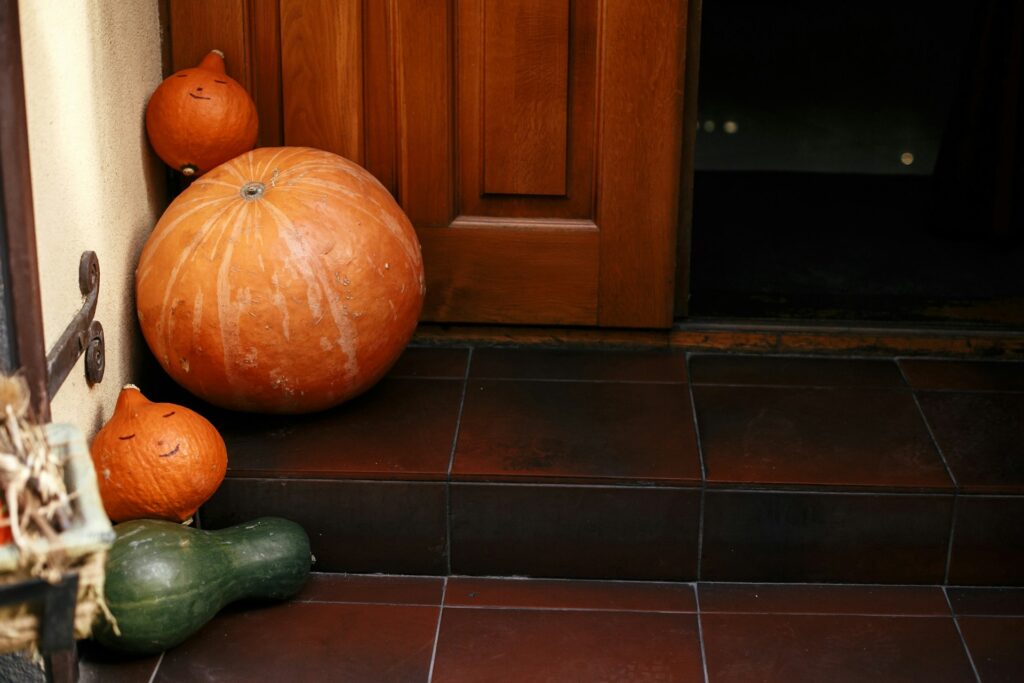
Fall brings changes to the air, the sky, and the way we think about home projects. In New Jersey, that often includes taking a closer look at the front door. Cooler days, sudden windstorms, and steady rain mean a door has to do more than just look nice. It needs to hold up under extra pressure, seal tightly, and open smoothly no matter how the weather shifts.
From the outside, you might not think door installation varies much from season to season. But it does. Timing, materials, and installation details can all be affected when autumn rolls around. We’ve worked on a lot of homes over the years, and we’ve seen how New Jersey Door Works need extra care during this particular season. Here’s what we keep in mind as the days get shorter and the weather grows less predictable.
Assessing Weather Challenges Before Starting
Fall brings more than changing leaves. The weather becomes less stable, which means it’s harder to set long-term plans for home projects without watching the forecast closely. That’s important when timing matters for what you’re installing.
• Cold snaps can change how materials behave, especially if they’re sensitive to shrinking or swelling
• Days with high wind or rainfall can throw off schedules or stop work altogether
• Paints, finishes, and sealants often take longer to dry when there’s more moisture in the air
Planning ahead helps, but we’ve learned that staying flexible matters more. Even a few unexpected cold or wet days can change how a door frame settles into place. We try to get ahead by starting earlier in the season, before the shifts become regular.
Choosing Materials That Work Better in Fall Conditions
Some materials just hold up better when fall hits hard. Wood looks sharp and traditional, but without the right seal, it can struggle with moisture and shifting temperatures. That’s why we’re more likely to recommend fiberglass or steel in wet months. They respond better to cold nights, warm midday sun, and back-to-back storms.
• Fiberglass holds its shape and doesn’t soak up rain the way natural wood sometimes will
• Steel is strong and steady, even when wind blasts it or rain lashes against it
• Good finishes matter, any surface will need protection when debris and water are in constant contact
Monmouth Millwork’s exterior doors can be crafted in insulated wood, fiberglass, or other weather-ready materials, and are available with a variety of finishes and design options to handle New Jersey’s fast-changing fall climate.
New Jersey Door Works often include these weather-ready features right from the start. The idea is to make the whole setup (not just the slab or panels) capable of staying put and performing in unpredictable conditions.
Installation Considerations as the Weather Cools Down
How something is installed matters just as much as what it’s made of. And in fall, we pay close attention to how the weather could affect the job even before it starts.
• Cold air can cause certain materials to shrink slightly, which changes how everything fits together
• Some sealants don’t work well in damp conditions and may not bond correctly if used at the wrong time
• Sunlight hours matter, shorter days can mean less time to work with adhesives or make precision adjustments
That’s why we watch the surroundings, not just the blueprint. Even the direction a door faces can come into play. If it’s on the side of the house where cold wind pounds the frame, every part of the installation needs to account for extra stress.
Monmouth Millwork pays close attention to installation methods, including proper weather stripping and threshold setting, helping create a better seal against drafts and moisture when fall storms arrive.
Why Door Adjustments Matter More in the Fall
Fall seems gentle on the surface, but it often reveals issues that haven’t shown up during summer. We see it every year, homeowners call about doors sticking more than usual or cold air sneaking in around the corners.
• Sudden swings in temperature can cause wood to move slightly, which puts pressure on frames and hinges
• Rubber seals crack faster when they’re exposed to cold mornings and wet afternoons
• Hinges, locks, and closing mechanisms often shift just enough to throw things off
Spotting these changes early matters. A dragging door now can turn into a door that doesn’t close well at all once winter hits. Checking swing, seal contact, and lock fit while the weather is still manageable helps avoid frustration down the line.
Designed for Fall, Built to Last
Fall doesn’t wait for things to be ready. Once the colder air rolls in and the first few windy days come through, doors take the brunt of it. That’s when we see which choices made earlier in the year are holding steady, and where extra support was needed.
A smooth fall project succeeds because of good planning, smart choices, and awareness of time. It’s easier when everyone involved understands how fickle the weather can be in places like New Jersey, especially in late October. With the right setup in place, doors don’t just survive the season. They welcome it in.
Taking a little extra care during the fall will pay for itself once winter sets in fully. A solid, well-fitting door that works the way it should means less heating loss, fewer headaches, and a home that feels steady no matter what’s happening outside.
When you’re thinking about updating your entryway before the colder months set in, it’s a good time to see how different options handle the local weather. We’ve seen how the right setup makes all the difference when rain, wind, and cold air show up fast. Many homeowners in New Jersey look for durable, reliable solutions that can stand up to the season’s pressure. You can start by checking out our collection of New Jersey Door Works built to meet the demands of a changing fall climate. Contact Monmouth Millwork to talk about the right door for your home.