
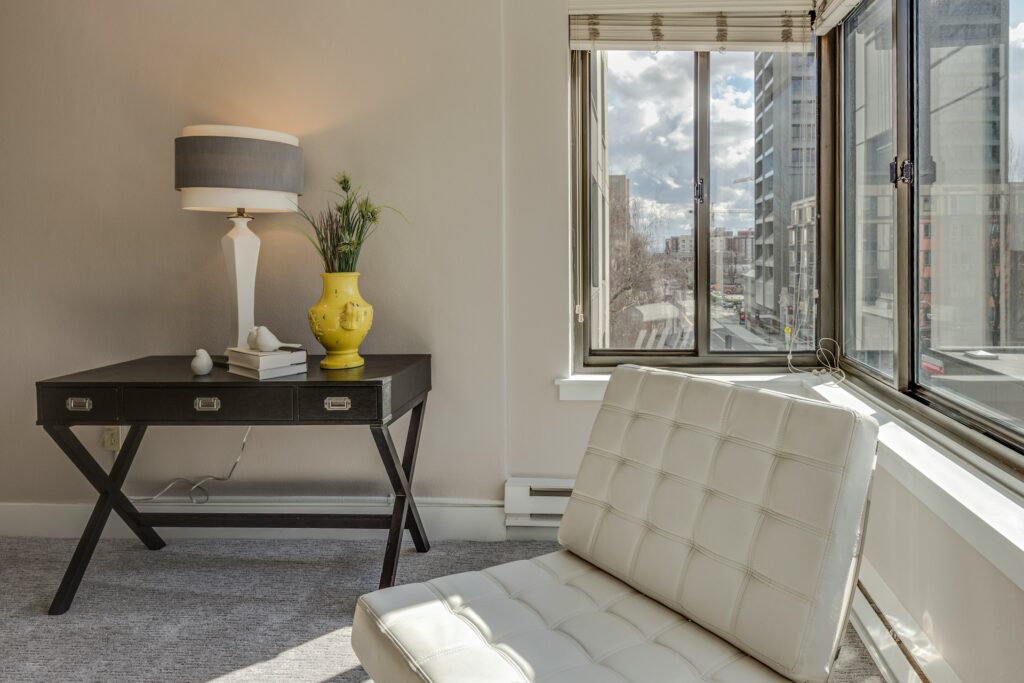
Fall is a busy time for home projects, especially right before winter hits. The weather cools down, and many people want to make updates while it’s still comfortable to get work done. One project that often comes up this time of year is adding a corner window. With shorter days and less sunlight, this window style can help bring more natural light into the home and make a space feel more open. But like any bigger update, it takes a little planning to get it right. If you’re thinking about installing a corner window this fall, there are a few things to go over before moving forward. The right prep now can help avoid trouble when freezing temperatures arrive later.
What Makes Corner Windows Different
Corner windows do more than just change how a room looks. They shift how it feels. By opening up two walls at once, they pull in sunlight from multiple directions and expand the view outside. That’s a plus any time of year but especially helpful when fall days start to feel darker earlier.
These windows aren’t placed like standard ones. They join at the corner of a room, where two walls meet, so the design has to support weight differently. That’s why:
• The wall needs strong framing around the opening
• The window shape and size must match the layout of the home
• Glass and structure need to work together to seal tightly against the weather
The way the window fits in with a home’s design affects not just the look but where light comes in during the day. That makes figuring out the right position just as important as the window choice itself.
Monmouth Millwork offers custom corner window solutions, designed to bring in more light and maximize views while ensuring strong weather sealing. Their windows are available in multiple wood species and energy-efficient glass options tailored for New Jersey homes.
Why Fall Installation Needs Extra Thought
New Jersey weather can flip fast in the fall. One day it’s cool and breezy, the next it’s rainy and near freezing. That makes timing a fall install something to pay closer attention to.
• The best time to start is before the first frost or regular cold nights
• Cooler daytime temps help materials settle better, like sealants and foam
• Shorter daylight hours can slow down outside work
With a corner window, the structure being opened up is bigger than a typical straight wall. That can mean more exposed space while the project is underway, which isn’t ideal once cold air moves in. Planning early and checking the forecast closely gives more control over how smooth the schedule goes.
Monmouth Millwork’s window collections are crafted to handle Northeast temperature swings and are finished for long-lasting insulation and energy efficiency, which is especially important during unpredictable fall weather.
Design and Function Go Hand in Hand
The placement of a window plays a bigger role in comfort during colder months than many people expect. A corner window opens up two sides of a room, which means you’ll want to think about which directions they face.
If one side gets heavy wind or early sunset, you might:
• Use thicker glass in that section to help keep heat inside
• Angle the window away from direct open exposure if possible
• Add light coverings for privacy once the trees lose their leaves
Light is great in fall, but once the sun drops lower in the sky, even big windows can let more of the outside cold in. Choosing materials that insulate well helps skip the drafty feel. Tinted or dual-pane glass can also help manage glare and heat loss once the temperature starts to drop at night.
It’s also a good idea to think about the furniture placement and how the new light will move through the room. With a well-placed corner window, you may find that certain chairs or tables get more sun, or that plants start to thrive in new spots. Not only does it change how the room looks, but it can shift the way the space is used, especially during the colder months when time indoors increases. This is why it’s smart to take a bit of time to imagine the finished space before the project starts.
Some homeowners might worry that bigger windows mean more cold in the winter, but the right materials can actually help insulate better than older standard windows. Talk with your installer about features like weather stripping and insulated frames. These additions can make a big difference between a cozy space and one that feels chilly when the temperature drops outside.
Plan for Professional Support
Installing a corner window is not the same as popping in a basic one. Because the two sides meet at an angle, the wall needs reinforcement. If the structure isn’t solid, or if weight shifts over time, it can lead to leaks, cracks, or worse.
Here’s why it’s best to loop in expert help:
• Extra framing might be needed to support both sides of the window
• Weatherproofing around the joint where the two windows meet is more detailed
• Small mistakes here can lead to bigger gaps and cold spots later
Good prep leads to a smoother job, but fall doesn’t offer unlimited time. Getting someone familiar with corner windows involved early helps keep the install tight and avoids delays as winter sets in.
A reliable professional can carefully check for any possible trouble and recommend solutions, especially with the unique challenges of two walls meeting at a corner. Often, these pros have worked with a range of window brands and materials, so they know the best fit for your area’s weather. Don’t be afraid to ask questions about insulation, installation, and the time needed for the job. This way, you’ll feel confident the corner window will last through many seasons.
If your home is older or has had drafts in the past, let your installer know so they can check framing and insulation in that area. It may even be a good chance to update other pieces of trim or molding, improving the look along with warmth and efficiency. Double-checking all the little details now can help avoid surprise repairs or adjustments after the window is in place and temperatures drop further.
A Smart Addition Before Winter Arrives
Even a single corner window can change how a room feels from inside. Extra light during shorter days, more view where it matters, and an update to the flow of the space all add something that lasts into the colder months.
Fall is a great time to add one, but it’s not open-ended. Working around the weather, the light, and the materials takes extra care this time of year. Planning now means there’s still time to enjoy the update before snow or ice make outdoor work harder. When it’s done with the right build and setup, a new corner window keeps paying off all season long.
The boost of daytime brightness that comes from two walls bringing in sunlight not only makes the room more welcoming, but it can also help save a bit on electric lights and energy bills as the days get shorter. You may notice your plants look healthier too, or your view gets a new perspective as summer leaves give way to the bare trees of late fall.
At Monmouth Millwork, we know how much impact the right window can make as the seasons shift, especially here in New Jersey. When you’re thinking about adding something new before winter sets in, a well-placed corner window can bring in light and change the way your space feels. Our approach focuses on getting the fit and function right, from design through placement. If you’re planning updates this fall, we’re ready to help you make sure everything lines up before the weather turns. Give us a call to talk through your ideas.