
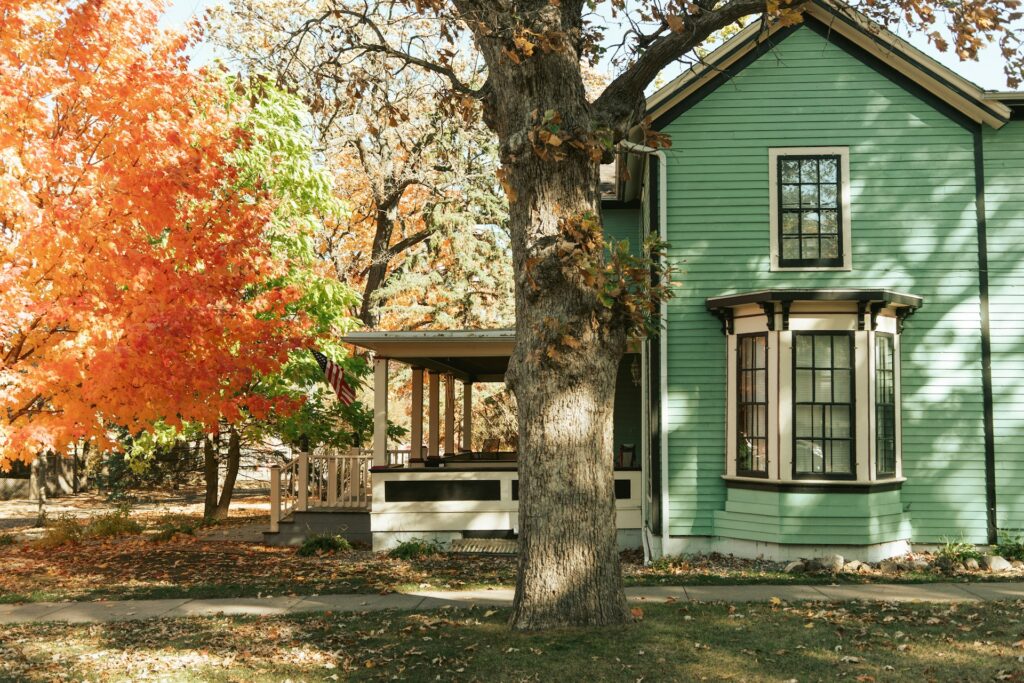
Fall in New Jersey comes with cooler days, windy nights, and more time spent indoors. As the temperatures start to drop, many homeowners begin noticing things they may not have paid much attention to during the warmer months. Drafty rooms, noisy windows during storms, or a sudden chill near a window can all be signs of trouble.
Exterior windows play a big role in how a home feels during this season. They help hold in warmth, keep cold air out, and protect the house from rain and wind. If windows aren’t doing those jobs well, the whole house can feel less comfortable, not to mention harder to heat. Let’s take a look at what windows really need to handle once fall sets in.
What Fall Weather Demands From a Window
Fall weather in New Jersey doesn’t ease in. Some days feel like summer, while others bring a quick shift to near-winter cold. Exterior windows need to be ready for a mix of conditions.
• Cool air and quick temperature drops test how well a window is sealed. If air leaks in, even just a little, it makes the house feel colder and throws off the balance in heating.
• Fall also brings more rain and stronger wind. That means the materials around and inside the window need to hold up. Weak seals or rotting frames have a hard time keeping things dry and steady.
• Older windows, especially those with single panes, are usually the first to let you down in fall. They don’t insulate well, and once they age a bit, they become more likely to rattle or leak.
This season is a kind of warm-up for winter. Weak windows show their faults quickly, which makes fall the right time to notice what is or isn’t working.
How Insulation and Glass Help Keep Warmth In
Good insulation doesn’t just come from walls and ceilings. Windows are one of the biggest chances for heat to escape if they aren’t designed with the right materials.
• Multi-pane glass windows make a big difference. Each layer adds another barrier between the warm air inside and the cold air outside. Most homes use double-pane by now, but triple-pane works even better in colder spots.
• Strong, insulated frames help stop cold air from getting through the sides of the window. Some frames sound solid but still let heat leak out if they aren’t built for it. Materials matter.
• Edges where the window meets the frame are one of the most common places for air to get in. Having sealed corners and tight hardware keeps those little drafts from sneaking through.
Monmouth Millwork offers exterior windows with custom-matched profiles, multi-pane glass options, and quality insulated frames, designed specifically for New Jersey’s dramatic seasonal swings.
Each part of the window works together to protect your home’s temperature. When all the parts are solid, from the pane to the lock, you’ll notice a difference in how evenly the room stays heated. Creating a sealed system with sturdy, insulated frames and proper glass options does more than help with warmth, it also helps keep out noise from the busy neighborhood or passing storms that are common in New Jersey’s fall months. This kind of total protection is exactly what homeowners want as the seasons change and their homes become a comfortable retreat.
Signs Your Windows May Be Costing You Comfort
Fall is a time when people notice how their home really feels. If your rooms are losing heat too quickly or you’re hearing every gust of wind outside, it might be time to pay closer attention to your windows.
• If you walk past a closed window and still feel a tiny breeze or sudden temperature change, there’s likely a draft working its way in.
• Condensation between the layers of glass is a sign that the seal has broken down. Even if there’s no water leaking inside, the insulation is no longer doing its job.
• Needing to crank up the heat more often or noticing uneven temperatures between rooms may mean your windows aren’t helping hold warmth where it’s needed.
• Noise from the road or wind rustling frequently inside the house can be another clue that your windows aren’t sealing tight anymore.
Many windows can look fine at a glance but still work against you when cooler weather arrives. If you’re unsure whether it’s the window, the weather, or something else causing the draft or heat loss, pay attention to when the problem starts. Often, windows will show their weaknesses right when the seasons shift, and it’s more noticeable during windy, cold nights or rainy days. It could be subtle at first, like noticing that some rooms always feel a few degrees cooler, or more obvious, like rattling glass in high wind. Over time, small leaks or cracks can grow, leading to even bigger comfort and efficiency issues as winter approaches.
What to Look For in Fall-Ready Exterior Windows
If you’re thinking about what new or replacement windows should offer for New Jersey’s fall weather, there are a few clear things to watch for.
• Windows should close smoothly and lock securely. Loose or worn locks can make it hard to fully seal out the cold.
• Look for materials that won’t break down when wet or cold. In coastal areas, salty air can add wear. Inland homes deal more with dry winds and colder overnight lows.
• Glass should block cold temperatures without making rooms feel dark. Some glass types keep heat in while still letting in plenty of natural light.
Monmouth Millwork’s selection includes weather-tested windows built for New Jersey’s unique conditions, featuring custom wood or composite frames, and insulated glass to keep warmth inside and drafts outside.
Fall in New Jersey isn’t gentle. Your windows don’t need to be high-tech, but they do need to work well under pressure. Solid locks, strong seals, and dependable frames can all help a home feel more steady when the weather turns. Materials that can take a beating from rain, wind, and shifting temperatures are a smart choice, as they’ll keep windows working properly year after year. Even if everything looks fine, testing how windows open and close, or checking for any signs of swelling or soft spots around the frame can reveal problems before they worsen.
If you notice condensation or fogging inside the panes, that’s another hint that it might be time to check the seal or think about an upgrade. The glass should be clear and the frame should feel intact to the touch, even after repeated exposure to rain and frost. This attention to small details while the weather is still moderate can spare you many bigger headaches once the true cold arrives in December and January.
Protected and Prepared As Temperatures Drop
Good exterior windows make a home feel more steady during fall. As the season moves forward and temperatures drop more each week, it becomes clear which parts of the house are working with you and which ones are working against you. A strong window won’t fix everything, but it can go a long way in making rooms feel balanced and warm.
Whether you’re near the Jersey Shore or deeper inland, weather shift is real and fast this time of year. Fall is the perfect moment to check on your windows and see how they handle the change. If they’re already struggling, it’s better to spot those signs now than in the middle of winter. Staying ahead of the cold starts with the parts of your home meant to keep it out.
When your home feels less cozy than it should this season, it might be time to take a closer look at your windows. From keeping out cold air to holding in warmth, the right setup makes all the difference when the weather turns in New Jersey. We’re here to help you figure out what’s working and what’s not. To see how your home compares, take a look at our selection of exterior windows. When you’re ready to talk through the options, contact Monmouth Millwork.