
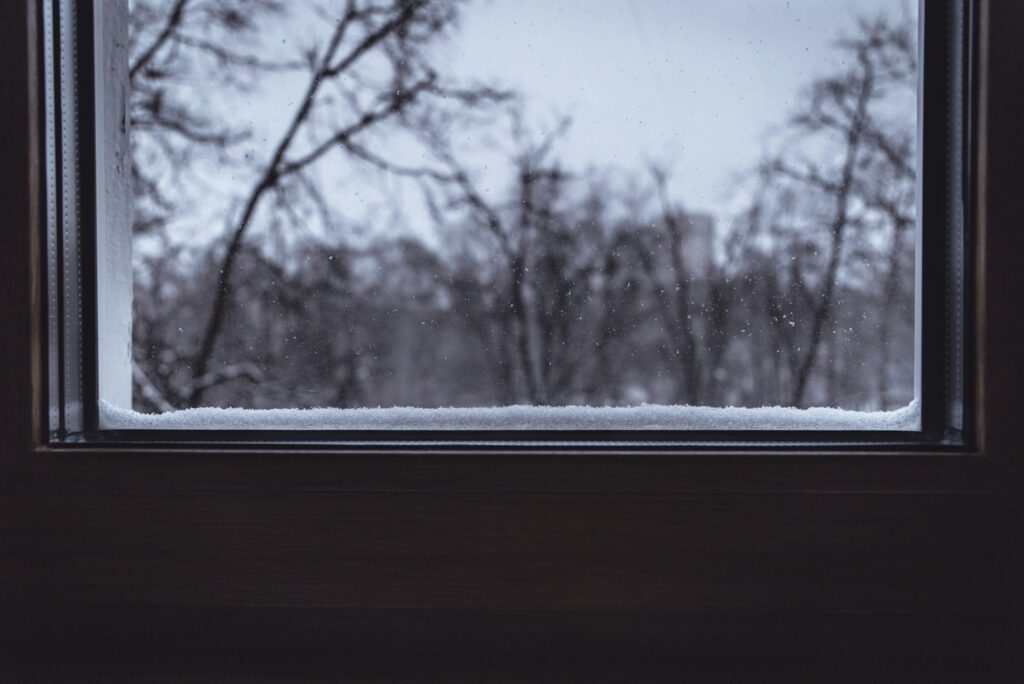
When the weather turns suddenly cold, it’s not unusual to notice a few changes inside your home. That’s especially true when it comes to residential windows. Some homeowners in New Jersey might hear the wind whistling through the frame, feel a drop in temperature near the glass, or wake up to moisture along the inside of the panes. These small signs usually show up during cold snaps, when the temperature dips fast and stays there.
Cold weather puts pressure on the parts of a window that aren’t always visible. That’s why understanding how your windows behave in freezing air can save you from unexpected issues down the line. Not everything needs to be fixed right away, but there are a few warning signs that deserve a closer look.
What Cold Snaps Do to Window Glass and Seals
When temperatures drop overnight, the materials that make up your windows react right away. Glass, trim, and sealants all expand and shrink depending on the air around them. During long stretches of cold, you might spot thin layers of frost or a fog-like film between or inside panes. That’s your window telling you something’s off.
• Condensation on the inside usually means warm air indoors is meeting cold glass.
• Frost between panes can point to a seal that’s worn or broken.
• Cracks in the corners of the trim might show where the seal has shifted in the cold.
Even quality seals can stiffen or shrink over time. When that happens, cold air slips through where the glass meets the frame. The older the window, the more likely it is that the weather and years of use have taken a toll.
Why Some Drafts Get Worse in Winter
Drafts are one of the easiest clues to spot during cold snaps. You might feel them coming in from around the edges of the window, especially when the wind is strong. But they don’t always show up during warmer months, which is why colder weeks make them more obvious.
• Gaps in the frame expand during cold weather, letting in more outside air.
• Old or worn weather stripping can’t seal as tightly when it’s stiff or cracked.
• Trim that’s pulled away from the wall can create open spots for air leaks.
Any part of the window that isn’t flush or tight will let cold air sneak in. That cold air doesn’t just affect comfort, it can also pull more warm air out, which creates a bigger swing in indoor temperature. When drafts show up during a cold snap, they usually feel sharper and more uncomfortable because the contrast between indoor and outdoor air is so strong.
How Cold Air Affects Indoor Comfort and Energy Use
Small leaks around windows can lead to big changes inside. If one room in your home feels cooler than the others or if the heating seems stuck running all day, your windows might be part of the problem. Cold air close to the glass cools the room faster than the heater can keep up.
• Rooms near drafty windows often feel colder, even if the thermostat says otherwise.
• Heating systems work harder in spaces with leaking or weak window seals.
• Sitting near a window during a cold snap might feel uncomfortable or chilly.
All of these things start to add up. It’s not just about indoor coziness. Poor window performance during cold snaps can change how your entire home uses heat. The longer windows let air in or out, the tougher it is to keep rooms balanced.
Residential Windows That Hold Up in Harsh Weather
Strong cold spells test every part of a window, not just the glass. That’s why good performance depends on how well all the parts work together. Quality residential windows will have stronger seals, better materials in the frame, and a closer fit inside the wall opening.
A few key things help windows work better during cold snaps:
• A tight seal between the glass and the frame keeps drafts to a minimum.
• Frames made from weather-resistant materials are less likely to crack when frozen.
• A precise installation prevents moisture or cold air from sneaking in between the trim and the wall.
Monmouth Millwork offers residential windows with insulated frames, triple-pane and double-pane glass, and materials suited for New Jersey’s varying climate, making homes more resilient when the temperature drops.
Even in chilly climates like New Jersey, residential windows built for seasonal changes can make a noticeable difference. When everything is working the way it should, winter doesn’t feel so harsh inside the house.
Clear and Cozy: Getting Ahead of Winter Trouble
When cold snaps settle in, small window issues tend to grow louder. You might notice condensation, cooler air near the glass, or rooms that just don’t warm up the way they used to. These are all signs that your windows might be under pressure.
The good news is that by paying attention early in the season, you can stay ahead of unwanted surprises during the colder months ahead. A well-sealed, properly fitted window doesn’t just hold in warm air, it helps the entire house feel steadier, safer, and more comfortable when outdoor temps dip below freezing.
Noticing changes around your windows as the weather shifts? Now’s a good time to take a closer look. Cold snaps in New Jersey can reveal hidden gaps, worn seals, or drafts that weren’t easy to spot during warmer months. If you’ve been wondering how your windows are holding up, our collection of residential windows is a good place to see what quality looks like in tougher seasons. At Monmouth Millwork, we know how to match long-term comfort with materials built for local weather. Send us a message to get the conversation started.