
When winter settles into New Jersey, it’s not just the outside that gets cold. Drafts find their way through older walls, chilled air slips under doors, and even well-heated rooms can start to feel less inviting. That’s when the little details inside a home really start to matter.
Traditional interior doors do more than just give a space character. When colder weather hits, they can actually help keep warmth right where we want it. Details like solid construction, a snug fit, and timeless design all work together to make rooms feel more comfortable and quiet through the winter months. A well-chosen interior door can be one of those everyday features you notice the most when the outside temperatures drop, giving the living space a sense of calm and shelter.
How Materials Make a Difference in Cold Weather
One of the biggest advantages of traditional doors is what they’re made of. Whether it’s hardwood or a dense solid-core center, these doors bring noticeable weight and durability. In colder months, that added heft can go a long way.
• Solid wood doors block more cold than hollow or lightweight ones
• Denser materials reduce the airflow between rooms and help keep warm air in
• Thicker frames hold their shape better when the temperature swings, making them more reliable from season to season
We often see how heavy, well-made doors can make a home feel less drafty without changing the heating system. They act like quiet winter helpers, keeping chilly air from creeping into your favorite spaces. This effect is especially noticeable in homes with older construction, where every small upgrade is felt right away. Traditional doors become practical barriers, working hand in hand with the rest of the home to defend against the chill.
Monmouth Millwork crafts interior doors from the highest-quality wood and composite core materials, offering custom sizing and configurations to suit older and newer homes across New Jersey.
Why Fit and Thickness Matter
Even the best materials need a good fit to do their job well. That’s especially true in older homes, where walls and floors may have shifted a bit over time. A traditional-style door that’s thick and custom-fit can stop those irritating drafts better than a light or standard-sized option.
• A tight fit helps stop cold air from slipping through cracks or under the frame
• Thicker traditional interior doors are less likely to warp or wear unevenly, so they keep sealing properly over time
• Working with professionals helps make sure the door fits right, especially in older homes where newer doors might sit unevenly
In a hallway or basement entrance, that snug fit can make more difference than you might expect. It means less heat loss and fewer chilly surprises when you walk into the next room. Ensuring that the door matches the frame without gaps can transform an area that once felt uncomfortably cold into one that stays comfortable and inviting, even as the snow piles up outside. Paying attention to the small details of fit and thickness shows up in day-to-day comfort, not just during the harshest months but throughout the seasons.
All Monmouth Millwork doors are built to order and measured carefully for the best fit, preserving the comfort and character of older homes.
Style That Adds Warmth Without Changing the Space
Classic interior doors don’t just work well in winter, they look right at home. Their quiet details can soften a space without taking away from natural light or airflow in rooms that need it.
• Panel designs add weight without making a room feel closed in
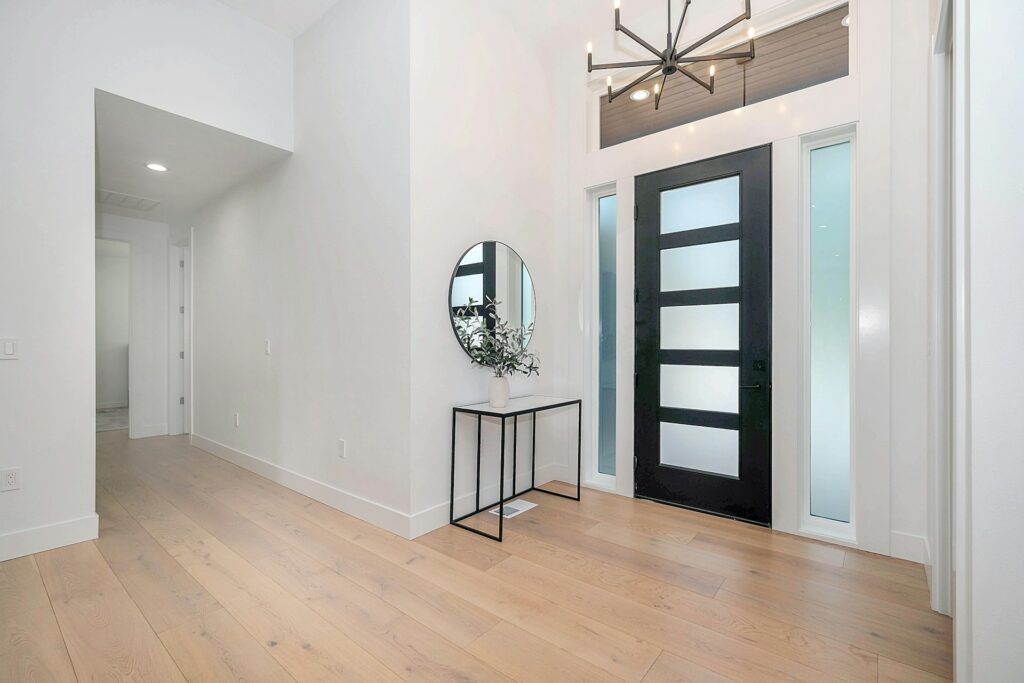
• Glass inserts or sidelights give character and light while still blocking the chill
• Traditional styles blend easily with older trim and woodwork, which is common in many New Jersey homes
We see how even small touches, like raised panels or curved edges, help a space feel cozy. If a home already has original features, choosing a door that fits the same language makes everything feel more pulled together and comfortable. A classic door style is one of those rare choices that adds to both the look and the function of a home.
Sometimes, the simple lines of a paneled door are what a room needs to tie it together, or a gentle curve at the top edge softens an otherwise straight hallway. The subtleties in craftsmanship can bring out the character of an older house without feeling out of place. At the same time, design tweaks like adding frosted glass panels can allow sunlight to pass through but still block winter drafts, making shared spaces brighter while bedrooms or offices stay private.
Helping the Whole House Stay Comfortable
It’s easy to overlook how much interior doors shape how a house feels during winter. When used thoughtfully, they help guide warm air through the parts of the house we’re using and shut out the chill from those we’re not.
• Closing doors in rooms that aren’t being used helps keep heat focused where you need it
• In spaces like stairwells or long hallways, solid doors can act like barriers for cold airflow
• Bedrooms, basements, and laundry rooms benefit most from thicker, closed-off doors during the coldest months
Even on days when the heating system is doing its job, a closed door in the right spot can make an upstairs room noticeably warmer. It’s one of those simple choices that adds comfort without having to turn up the thermostat. Using interior doors strategically, instead of just leaving spaces open, changes the way heat travels through the home. This is especially true in larger or older houses, which sometimes lose heat in places nobody notices at first. By thinking about airflow and how doors connect different areas, we give each room a better shot at staying cozy, reducing drafts quietly along the way.
Monmouth Millwork works closely with New Jersey homeowners and building professionals to ensure every door selection fits seamlessly with interior woodwork and suits your home’s winter needs.
Keeping Rooms Cozy Through the Colder Months
When winter settles in, comfort comes from more than blankets and hot drinks. It’s built into the structure of the house, from thick floors to solid doors. That’s where traditional interior doors shine, quietly doing their part to make rooms feel warmer, closer, and calmer.
When we combine dense wood, a precise fit, and timeless style, we’re not just improving how something looks. We’re improving how it feels. A small upgrade like a single door in the right place can have a real impact when it’s bitter cold outside, especially in older homes where those efforts can really add up over time.
Drafts and cold spots are common concerns in many older New Jersey homes, especially as temperatures drop. The right choice of doors can make all the difference in maintaining comfort and energy efficiency. We often recommend our traditional interior doors for a better seal and enduring warmth. At Monmouth Millwork, we focus on style, durability, and a perfect fit for your space. Reach out today to discover how we can help keep your New Jersey home cozier all winter long.