
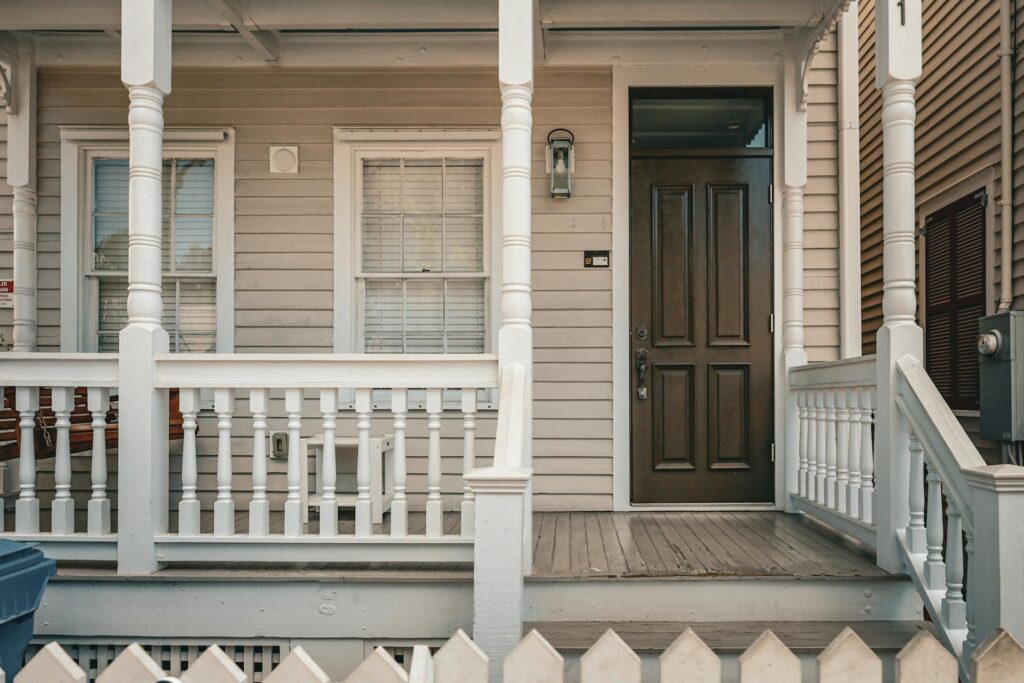
Fitting an entry door isn’t always as simple as picking one you like and putting it in place. For New Jersey homes, especially older ones, narrow door frames can make that job more complicated. Many homes around here were built long before today’s standard door sizes became common. That often means you’re working with tighter spaces that don’t leave much room to spare.
This becomes an even bigger concern in winter, when cold air and moisture can sneak in through gaps or poorly fitted parts. You want solid protection without pulling apart your walls just to make a new door fit. The good news is, there are smart ways to handle narrow frames without giving up style or strength. Let’s look at how we can approach entry doors in New Jersey homes when space is tight but comfort still matters.
Understanding Narrow Door Frames
Narrow door frames show up more often than you might think, especially in older neighborhoods across New Jersey. These tight spaces were built for smaller doors, and over time, shifting structures or added trim can make the opening even smaller.
There are a few reasons we see narrow frames:
• Older homes often used smaller openings as part of the design
• Row houses or tighter floor plans didn’t leave room for large doors
• Settling, thick paint, or added layers may reduce space even more
A narrow frame on its own isn’t a problem. The trouble comes when you try to squeeze a standard-size door into an opening that’s a little too tight. Cold air can slip through cracks, hinges may not line up well, or the door might drag or stick when the house shifts between seasons. During winter, when everything contracts just a little more, these small gaps can turn into chilly drafts or swollen wood that won’t close right.
When we work within the width that’s already there, we avoid those harsh fits and get a door that still works the way you need it to.
Options That Work With Tight Spaces
Not every entry door has to be chunky or oversized. In fact, there are plenty of doors made with slimmer frames or lighter cores that still hold up well against weather. These slimmer profiles are often just the right size for narrow entryways and can be just as strong as bulkier ones when chosen carefully.
Some materials are a better match for tighter fits. Fiberglass and metal options are often thinner at the edges while still being sturdy. Even within wood doors, some cores or trims let us trim down on bulk while keeping strength and insulation.
Other ways we work with narrow frames include:
• Using slim-profile hinges that help the door sit tighter in the opening
• Adjusting the door casing and trim without touching the main wall
• Choosing single-panel designs that take up less visual and physical space
By focusing on the details, things like hinge placement or the swing direction, we get doors that feel and function right, even if the frame is far from standard.
Monmouth Millwork manufactures custom entry doors in wood, metal, and composite materials, all built to your specifications for narrow or nonstandard frames. Our team can match historic trim patterns, custom heights, or specialty glass inserts for an authentic look in restored New Jersey homes.
How Custom Doors Make the Difference
When a frame isn’t a match for standard doors, building around it piece by piece can feel like trying to force a round peg into a square hole. That’s where custom sizing can change everything.
A door measured and built to match your frame means no squeezing, no gaps, and no awkward fixes. Everything meets up where it should. Since we’re working with exact dimensions, the final fit helps avoid common cold-weather problems like:
• Drafts at the bottom or sides
• Misaligned locks that don’t feel secure
• Wood swelling or wear where things rub unnecessarily
It also opens the door, literally, for more design choices. Historic homes might need certain trim styles to feel right. Some spaces need unusual heights or window openings, and those don’t usually come out of the box. Custom doors let us keep the character while bringing in modern function, whether that’s a better seal, a more durable finish, or an easier close.
What to Watch for During Winter Installation
Installing a door in the middle of a New Jersey winter isn’t quite the same as doing it in spring. When the temperature drops, wood becomes stiffer and more likely to split if not handled gently. Certain materials can crack or shift more easily, especially when moved indoors from the cold.
There are a few signs the frame might be too tight for a quick replacement during colder months:
• The current door sticks or creaks when closing
• Paint or finish on the trim shows wear right where parts rub
• Gaps under the door seem to change day to day
If the opening isn’t straight, or if the house has settled over time, a new door may need careful shaping to match. That’s why winter fittings, especially in older homes, work best with professional measuring and installation. It helps avoid sudden changes, wasted materials, or making tight fits worse.
A wrong move in winter can lead to problems that only show up later when the door starts to shift again with spring moisture. Planning smart in February means your entry holds strong for the rest of the year.
Every Monmouth Millwork project is measured and installed by experienced team members, ensuring a precision fit and reliable cold-weather performance, even in historic or highly customized doorways.
Style That Fits Without Compromise
Just because the frame is narrow doesn’t mean you’re stuck with a bland or plain-looking door. There are plenty of designs to fit tight spaces while still giving your home the right feel at the entrance.
Some homes do best with solid panels that echo their original look. Others shine with lighter glass inserts or updated finishes that help brighten up a darker space. Hardware, too, can shift the feel from classic to modern in just a few touches.
Here are a few ways to keep style in focus:
• Use vertical panels or glass strips to make the entryway feel taller
• Match trim design to nearby windows or porch details
• Choose colors and finishes that highlight the door’s unique shape
When we work with the size that’s already there, we get a result that feels like it’s always belonged. That’s true whether we’re working with homes built last year or those that have stood for generations.
Better Fits, Easier Entry All Year
Making an entry door work in a narrow space is about more than just getting it to fit on day one. It’s about setting it up to last, even as the weather changes or the house shifts a little over time. A better fit means fewer drafts, smoother use during winter, and less wear year after year.
By paying attention to frame size, material choice, and the way the door sits in place, we’re building more than an entry. We’re shaping the kind of experience that feels right every time you walk through it: quiet, solid, and built for where you live.
New Jersey homes come in all shapes and styles. When we work with the frame that’s already there, we end up with doors that look natural, work well, and make winter just a little easier to get through.
Custom sizing goes a long way when you want a door that fits narrow frames without sacrificing comfort or style. We help New Jersey homeowners choose the right layout, materials, and function for every unique space. Whether you are upgrading an older entry or preparing for added winter protection, getting the right size from the start prevents headaches down the road. See our options for entry doors in New Jersey and contact Monmouth Millwork to get started.