
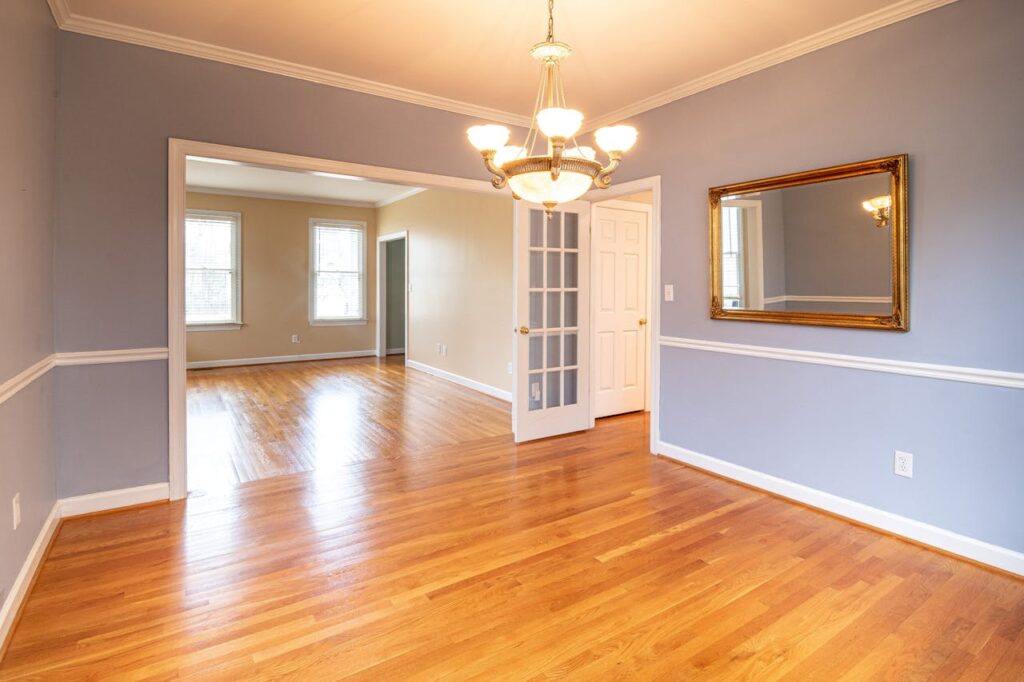
Many homes in New Jersey were built decades ago, and that history shows up in small, thoughtful details, especially in the moulding. The trim around doors, ceilings, and baseboards in older homes often feels different from what we see today. It’s got more character. Curved edges, hand-carved touches, or chunky profiles that don’t show up in big-box stores.
But with that charm comes a bit of a puzzle. If you’re updating part of your home or needing to fix some damaged trim, how do you keep the original look without making it feel mismatched or too modern? Having a basic understanding of New Jersey moulding helps a lot, especially as spring renovation plans get underway and people start turning attention to indoor touch-ups.
What Makes Older Moulding Unique
Old moulding has a style you can often spot right away. It’s heavier, more decorative, and usually made from solid wood. The shapes and edges speak to the time the home was built. You might find small grooves along the top of baseboards, wide crown moulding that reaches out from the ceiling, or thick door casings that dwarf modern trim kits.
We see a lot of homes in New Jersey that have custom woodwork, not something made in bulk or picked from a catalog. This kind of trim was cut and installed by carpenters working one house at a time. So even homes built in the same year might have different patterns or sizes.
A few things that often stand out:
• The trim materials are usually real wood, not pressed fiberboard or vinyl
• Profiles include deep curves, steps, or beaded edges that are hard to copy
• Sizes may not match today’s standard widths
That uniqueness is what gives a space warmth, but it also means you can’t always swap in something new without it looking off. Matching that feel takes extra care.
How to Spot if Moulding Needs Attention
As homes age, moulding can wear down, get painted over too many times, or shift as the wood behind it settles. In early spring, when people start opening windows or moving furniture around, it’s common to notice things they might have overlooked all winter.
A few signs your moulding might be ready for a closer look:
• Cracks along the board or where it meets the wall
• Gaps at corners that no longer line up
• Trim that pulls away from drywall or plaster
• Paint that’s chipped, bubbled, or built up in thick layers
• Water stains near floors that show past spills or slow leaks
These issues don’t always mean full replacement is needed. But they’re good reasons to get a second opinion from someone who knows what to do with older trim. Most problems are small at first, but they tend to grow when left alone, especially in homes with shifting temperatures and moisture changes in early spring.
Matching New Moulding to the Old
Getting new trim to match old moulding takes more than just picking something close off a shelf. Even little differences, like a fraction of an inch in width or a slight change in profile, can throw the whole look off. And with older homes, that contrast can be pretty noticeable.
To do it right, we usually need to copy the original shape and size. That means taking a piece of the old moulding and re-creating the cuts for new sections. That way, everything lines up the way it should.
What matters most in the process:
• Checking the wood type, grain, and color if it’s being left natural
• Matching the profile as closely as possible from edge to edge
• Making sure the new pieces fit flush so joints look clean and not patched
Paint or stain can help blend things, but it’s the physical shape that makes the real difference. If you’re only fixing one wall or one room, matching the moulding keeps it feeling like part of the same house.
Monmouth Millwork specializes in custom millwork for historic and modern New Jersey homes, with in-house profile matching, shop drawings, and local hardwood sourcing for seamless transitions between old and new trim. Our craftsmen can replicate one-of-a-kind moulding for restoration jobs, large-scale updates, and unique home layouts.
Updating Without Losing the Original Feel
It’s normal for people to worry about changing the feel of their home by replacing old trim. Part of what gives older homes in New Jersey their charm is the aged woodwork that’s been there from the start. But replacing a few pieces doesn’t mean the whole look has to go.
When you keep the original shapes and trim style, it’s possible to update just what’s needed and still keep the character. Depending on the home, it might make sense to keep original moulding in key areas like living rooms or staircases while refreshing other rooms that have seen more wear.
There are simple ways to tie old and new together:
• Use similar wood tones or paint colors
• Keep the same finish, glossy or matte, across the entire trim
• Choose matching corner blocks or rosettes in rooms with window or door moulding
This kind of approach helps the home feel like it was cared for, not carved up. And when done carefully, most people won’t notice the difference between old and replaced sections at all.
Sometimes, small changes, like updating just the baseboards in a less-used room while leaving the more decorative trim untouched elsewhere, can keep your home’s original appeal. Paying close attention to finish consistency, such as how paint or varnish reflects light, also makes a big difference in connecting new and old. Consider how moulding transitions at doorways or between rooms play a role, too. When connecting two types of trim, a simple block or quarter-round piece can help bridge styles without drawing attention to changes. Softening those transitions helps keep the overall feeling just right.
Taking time to look at photos or samples before starting a project can help decide which elements to copy and which can be subtly updated. When original trim is damaged beyond fixing, sometimes blending in the new with existing details, like similar edges or repeated lines, preserves the character beautifully.
Built to Last, Ready for What’s Next
Trim might seem like a background detail, but in older homes it often carries the most history. Many owners choose to keep their original New Jersey moulding because it shows how the house was built and how it’s lasted through changes over time.
Spring tends to be when people take on inside projects, especially before the outdoor work starts up in April and May. It’s a good time to walk through the house and notice what still fits and what needs attention.
We think the more you understand about what’s already in your home, the better choices you can make going forward. Old moulding isn’t just about looks. It keeps the past alive in the best way, from the frame of a doorway to the edge of a ceiling.
Sometimes a professional’s eye helps by spotting subtle differences in trim size, shadow, or grain that might go unnoticed. Homeowners can benefit from an assessment before making decisions, especially if the home has mix-and-match moulding from past updates. Deciding which areas need careful matching and where it’s all right to modernize a bit leads to results that balance comfort and character.
Monmouth Millwork offers on-site assessments, detailed moulding catalogs, and full installation for New Jersey clients balancing historic accuracy with contemporary performance. Whether you need a single piece matched or a full floor redone, our team ensures updated moulding preserves your home’s character for years to come.
Ready to refresh your home’s trim or upgrade a few indoor details this spring? We help homeowners across New Jersey find custom solutions that blend old and new without losing character. Whether you’re working on one room or an entire floor, Monmouth Millwork can help you identify and recreate the right profile to match your home’s original look. Our New Jersey moulding options are crafted to suit unique spaces and thoughtful updates. Call today to talk through what you need to get started.