
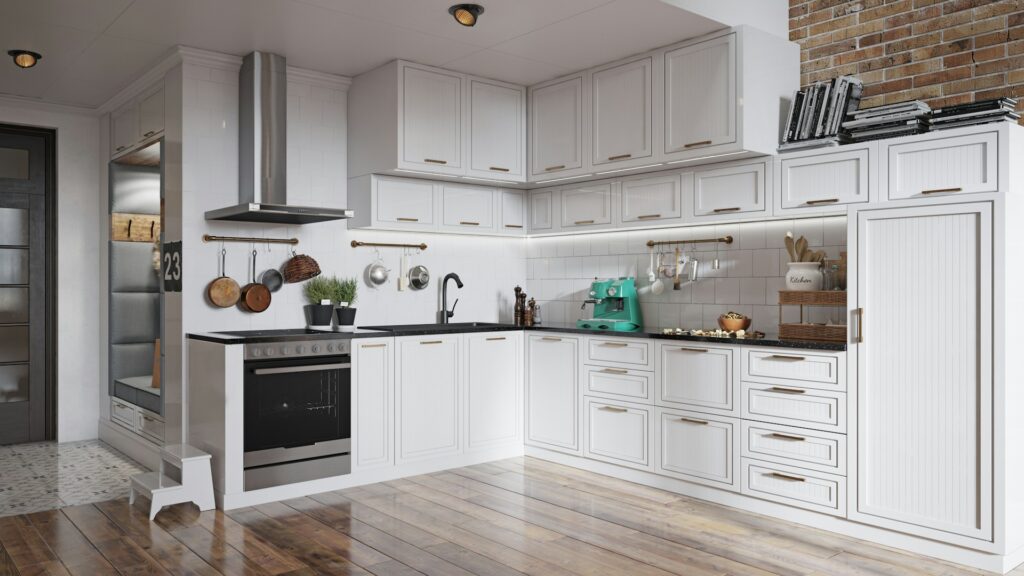
Spring tends to bring a fresh look at our living spaces, especially kitchens. It’s often the time when we notice places that feel a little mismatched or unfinished. One spot that catches our attention is where cabinet styles shift or materials don’t flow as well as they could. Many kitchens in New Jersey combine pieces from different decades or blend modern updates with older, character-rich materials. That mix can feel a little off balance unless something ties it all together.
That’s where cabinet molding comes in. It’s a small detail, but it can make a big difference. Whether it’s a trim line above the cabinets or a thin strip between stacked boxes, molding helps connect shapes, styles, and finishes that don’t always match on their own. It can pull the space back into a cleaner, more natural rhythm without making major changes. Let’s look at some of the ways cabinet molding helps bring balance to mixed-style kitchens.
Finding Common Ground with Cabinet Molding
When a kitchen has a pair of upper cabinets from one set and lower cabinets from another era, the difference can stand out in ways that feel more distracting than interesting. Cabinet molding helps bridge that gap. It draws a line, literally, between those two layers and keeps the eye from jumping too fast across different styles.
We often use upper molding to finish off wall cabinets that end below the ceiling. This not only helps fill the open space but also adds a clean buffer between old and new materials.
- Molding above cabinets can create a border that turns different finishes into a single, finished shape
- Trim around vent hoods or panel-ready fridge enclosures can give scattered parts of the kitchen a clearer outline
- Choosing a molding finish that blends with nearby counters, hardware, or flooring makes mixed styles feel more intentional
By repeating the same molding across cabinets with different colors or shapes, we can emphasize what they share instead of how they differ.
Mixing Finishes Without Clashing
In lots of New Jersey kitchens, we see natural wood cabinets on one wall and painted cabinets or islands across from them. This mix brings personality, but without some kind of visual link, it can look disconnected. Cabinet molding acts like a common thread. It gives both sections a shared feature so they feel like they belong in the same space.
We find this especially helpful in kitchens with more than one wood tone or when white cabinets are mixed with a darker island. Instead of trying to match every element, we match the molding.
- Using a shared molding finish or wood species helps the overall look feel pulled together
- Keeping the shape simple, a square profile or a soft curve, lets it blend across cabinet styles like shaker or slab
- Matching molding height across each wall keeps everything neat, even when colors vary
Cabinet molding doesn’t take away from the differences. It simply gives them room to work together without competing.
Keeping the Kitchen Layout in Sync
A kitchen that mixes styles often shifts in layout too. You might have deeper cabinets flanking a stove, taller towers near a fridge, or shorter runs along a windowed wall. Those changes make sense, but they can feel unconnected without a steady guide running through them. Cabinet molding helps with this.
By extending the same trim across the top line or choosing molding that wraps around corners and edges, we create paths for the eye to follow.
- Molding draws attention to alignments that matter, like upper cabinets lining up with nearby door trim
- Using the same trim over different styles of cabinets builds flow across rooms that connect to the kitchen
- These links make tiny layout differences feel like part of a thoughtful plan instead of a mistake
Even when cabinets change styles or purposes around the kitchen, molding helps keep them in conversation with one another.
Monmouth Millwork creates custom cabinet molding for kitchens of all layouts and styles throughout New Jersey, offering squared, curved, and multi-profile options to match new and existing casework. Every molding is measured, milled, and finished to client specification, providing a seamless look across mixed cabinet collections.
Seasonal Light and Style Shifts in New Jersey Kitchens
By March in New Jersey, the light starts to shift. Days grow longer, and sunlight moves through the kitchen in new ways. As that happens, small things like molding details or cabinet tone changes become more noticeable.
Cabinet molding catches natural light in quiet ways that add life to painted finishes and help wood grains stand out. It’s more about reflection and shadow than shine. When paired with brighter spring accents, that trim helps reset the kitchen’s visual balance.
- Molding adds a surface layer that works well with seasonal light changes
- Lighter spring accessories stand out better when molding gives cabinets a clear edge
- In open-concept layouts, matching trim across kitchen and dining helps the space feel more whole
This is the time of year when contrast softens and details show up more, and molding plays right into that shift.
How Small Trim Makes a Big Difference
Compared to cabinet doors or countertops, molding might seem like a tiny piece of the kitchen puzzle. But in homes that mix styles, it’s often the part that links everything together. Without molding, colors can clash, edges can feel unfinished, and the design can look more crowded than cozy.
Cabinet molding gives structure to variety. It lets stained wood sit next to painted surfaces without either one looking out of place. It flattens transitions and sharpens shortcuts. Most of all, it helps a kitchen feel calm, even when it combines elements from different decades or design ideas.
When we focus on the trim, we often realize it’s doing more than we first thought. It shapes the way the whole room feels—grounded, complete, and thought through. Especially in spaces where finishes and layouts don’t strictly match, that’s something well worth the attention.
Bringing together different cabinet styles and finishes in your kitchen is easier with the right trim. We’ve seen firsthand in many New Jersey homes how a small design detail can transform the whole space. When you’re working with mixed materials or eras, well-placed cabinet molding creates the harmony your kitchen needs. At Monmouth Millwork, we take pride in crafting custom details that match your home’s look and layout. Reach out to start planning a trim solution crafted for your kitchen.