
Planning a renovation or new build here in New Jersey often begins with a simple question: where do we start? Windows, doors, and millwork affect far more than appearance. The right selections can improve comfort, security, energy efficiency, curb appeal, and the way our home feels every day.
At Monmouth Millwork, we help homeowners, builders, architects, and designers make those decisions with confidence. As a manufacturer-direct broker, we connect our clients with premium building materials and expert guidance without making the process feel overwhelming.
1. We should begin with the goals for our project
The best products depend on what we want our home to do better. Before we compare styles or request pricing, we can identify the most important outcomes.
-
Improve year-round comfort. Drafty windows and poorly sealed doors can make rooms feel too hot in summer and too cold in winter. Energy-efficient windows and properly installed exterior doors can create a more consistent indoor environment.
-
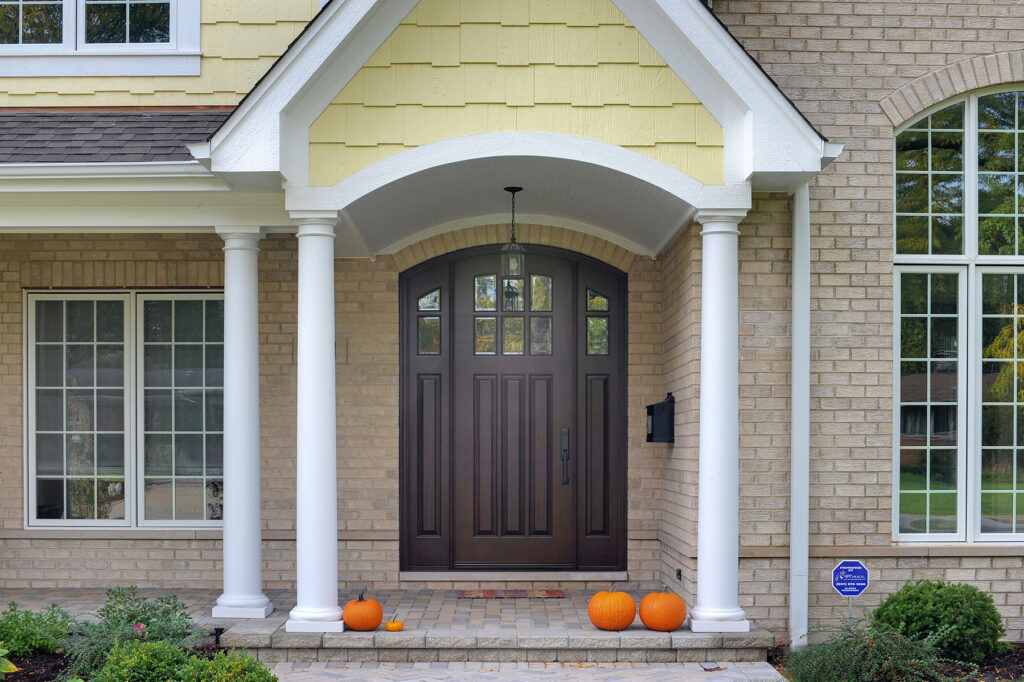
Update curb appeal. A new entry door, coordinated windows, and carefully selected trim can make an older home look more intentional. For example, a wood front door with glass sidelites can add character without changing the entire exterior.
-
Increase security. Strong entry systems, quality locks, durable frames, and professional installation all contribute to a more secure home.
-
Protect long-term value. Premium building materials can provide lasting performance and a refined appearance that supports the value of a renovation or new construction project.
-
Coordinate the design. When the window profiles, door finishes, hardware, and millwork work together, our home feels complete rather than assembled one product at a time.
We can also consider practical constraints early, including historic-district rules, HOA requirements, coastal exposure, unusual opening sizes, and local permitting.
2. Custom doors give us more control over the final design
Standard doors work well for many openings, but custom doors can solve design and sizing challenges that ready-made products cannot. This makes custom doors especially useful for older New Jersey homes, high-end renovations, and new homes with distinctive architectural details.
When we explore custom doors New Jersey homeowners can often select:
-
The exact size and configuration. Nonstandard openings may require an oversized door, a wider entry, or a combination with sidelites and a transom.
-
The material and finish. Wood, fiberglass, steel, and composite options each provide a different balance of beauty, maintenance, durability, and performance.
-
The glass design. Clear, frosted, textured, or decorative glass can bring in natural light while supporting privacy and security. French doors with glass panels are a good example for connecting a study, dining room, or sunroom to another living area.
-
The hardware. Handles, hinges, locks, and multipoint systems can be coordinated in finishes such as brass, bronze, black, or satin nickel.
-
The architectural style. A clean flush door may suit a modern home, while a paneled mahogany door or a rustic alder design may better complement a traditional property.
For homeowners searching for custom doors NJ, the important question is not simply what looks attractive in a photograph. We should also ask whether the door fits the opening correctly, handles New Jersey weather, and supports the way our household uses the entry.
3. We can choose exterior doors for beauty, weather protection, and daily use
Exterior doors NJ homeowners select must handle temperature changes, wind, rain, sunlight, and frequent operation. A beautiful door is only successful when it also closes securely, resists drafts, and continues to operate smoothly.
Common exterior door applications include:
-
Front entry doors. These make the strongest first impression. For front doors New Jersey homeowners may consider a wood door with decorative glass, a low-maintenance fiberglass design, or a steel entry system with enhanced security.
-
Back and side doors. These openings often receive heavy daily use. Durable finishes, weatherstripping, reliable hardware, and easy operation may matter more than decorative details.
-
Patio and garden doors. Sliding doors provide wide views and convenient access to a deck or yard. French doors with glass panels can offer a more traditional appearance and a wider sense of connection between indoor and outdoor spaces.
-
Storm doors. A storm door can add another layer of weather protection while allowing ventilation during milder seasons.
-
Garage entry doors. These doors require careful attention to durability, security, and any applicable fire or code requirements.
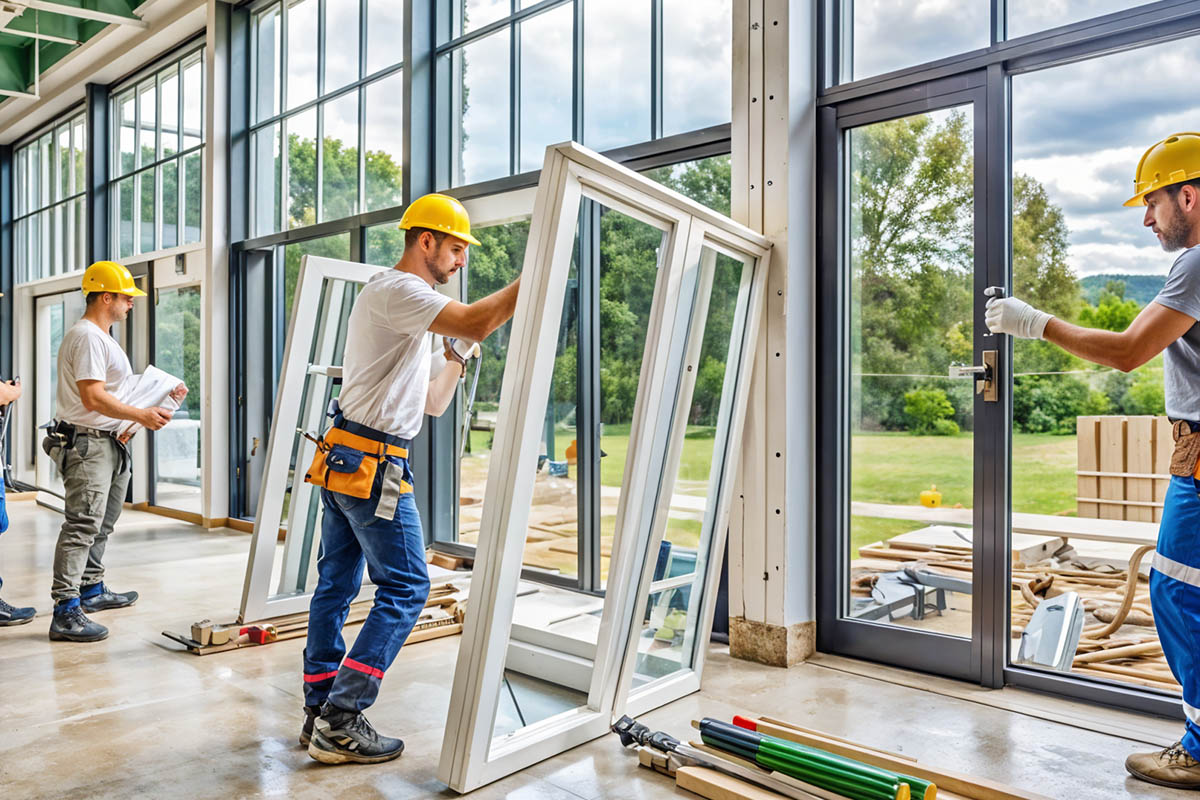
A professional consultation helps us compare the door, frame, sill, threshold, hardware, and installation as one complete system. That approach is more dependable than choosing a slab without considering the surrounding components.
4. Fire-rated exterior doors require the right complete assembly
A fire-rated door is tested and labeled to resist fire for a specified period. The rating applies to more than the door slab. The frame, hinges, closer, latch, glazing, and other components must be compatible with the rated assembly.
Fire-rated exterior doors or rated entry systems may be needed in locations such as:
- The door between an attached garage and living space
- Certain multifamily, townhouse, or condominium applications
- Commercial exits and service areas
- Other openings identified by local building requirements
Because requirements can vary by project and municipality, we should confirm the rating with the local building department, architect, or qualified installer. We should also avoid replacing a rated door with a visually similar product that does not carry the correct label.
For builders and contractors, this is especially important during planning. Confirming the rating, frame type, hardware, and installation details before ordering can prevent delays and expensive changes later.
5. Understanding double hung vs single hung windows helps us choose confidently
Window style affects ventilation, maintenance, appearance, and budget. One of the most common comparisons homeowners make is double hung vs single hung windows.
-
Double-hung windows: Both the upper and lower sashes move vertically. We can open the bottom sash for everyday ventilation, open the top sash to release rising warm air, or open both for more flexible airflow. Many double-hung windows also tilt inward, which can make cleaning easier on upper floors.
-
Single-hung windows: The lower sash moves while the upper sash remains fixed. This simpler design may cost less and can work well in rooms where basic ventilation is sufficient.
The right choice depends on our priorities:
-
Choose double-hung windows when ventilation matters. Opening both sashes can help circulate air in bedrooms, bathrooms, kitchens, and second-floor rooms.
-
Choose double-hung windows when cleaning access is important. Tilt-in sashes may reduce the need for ladders or exterior cleaning on upper levels.
-
Consider single-hung windows when we want a simpler, more budget-conscious option. They can provide dependable performance while using fewer moving components.
-
Focus on quality and installation with either style. A well-made single-hung window may outperform a poorly installed double-hung window. Frame quality, glass, weatherstripping, and installation all influence comfort and air leakage.
Monmouth Millwork offers access to a range of window styles, including double-hung, casement, sliding, bay, and custom-designed windows. We can explore options through our window solutions and Kolbe window resources.
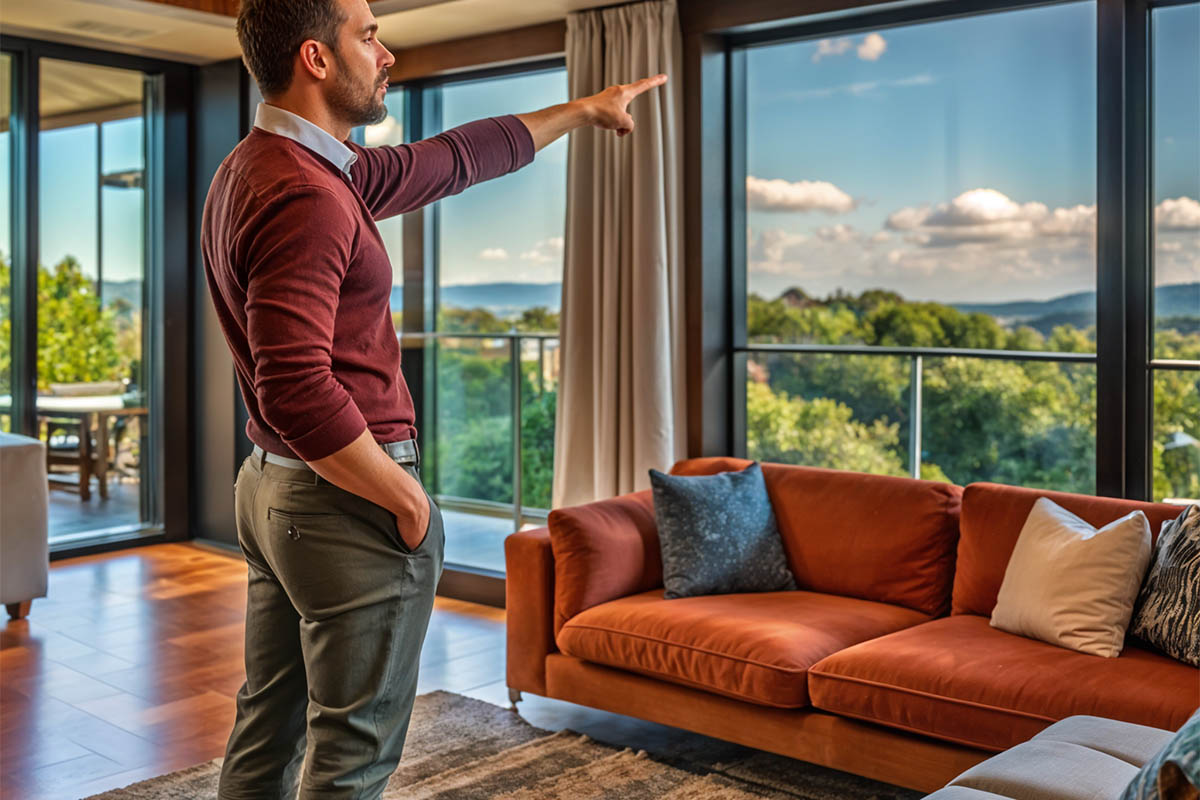
6. Purchasing new windows starts with performance, not just appearance
When we begin purchasing new windows, it helps to look at the condition of our current units and the needs of each room. Replacement may be worth considering when we notice drafts, condensation between panes, difficult operation, damaged frames, or rising heating and cooling costs.
We can make the process easier by following these steps:
-
Evaluate the opening. Some homes need replacement windows within existing frames, while others benefit from a full-frame installation. The condition of the frame and surrounding structure helps determine the best approach.
-
Compare frame materials. Vinyl is low-maintenance and widely used. Fiberglass and composite frames offer strength and stability. Wood and wood-clad windows provide a warm, premium appearance, while aluminum can create slim profiles for certain modern designs.
-
Review the glass package. Double- or triple-pane insulated glass, Low-E coatings, and quality spacers can support better energy performance. We should review the window’s performance information rather than relying only on general product descriptions.
-
Match the style to the architecture. Grille patterns, colors, hardware, frame proportions, and opening styles should complement the home. A traditional colonial may call for divided-light double-hung windows, while a contemporary addition may benefit from large fixed or casement units.
-
Confirm installation details. Our quote should identify the product, glass package, installation method, trim work, disposal, warranty coverage, and expected timeline.
We can learn more about manufacturer options through Sierra Pacific windows and our modern window upgrade project.
7. Premium millwork brings the entire design together
Premium millwork includes much more than decorative trim. It can connect our windows, doors, stairs, railings, and interior finishes into one consistent design.
Millwork may include:
- Interior door and window casing
- Baseboards, crown molding, and chair rails
- Wainscoting and wall paneling
- Built-ins and architectural details
- Exterior door surrounds, headers, and pilasters
- Window sills, aprons, and specialty trim
- Stair railings, balusters, and newel posts
- Pergolas, trellises, and other exterior details
For example, replacing a front door without updating the surrounding casing may leave the entry looking unfinished. Coordinating the door, trim profile, stain or paint color, and hardware can create a much more polished result.
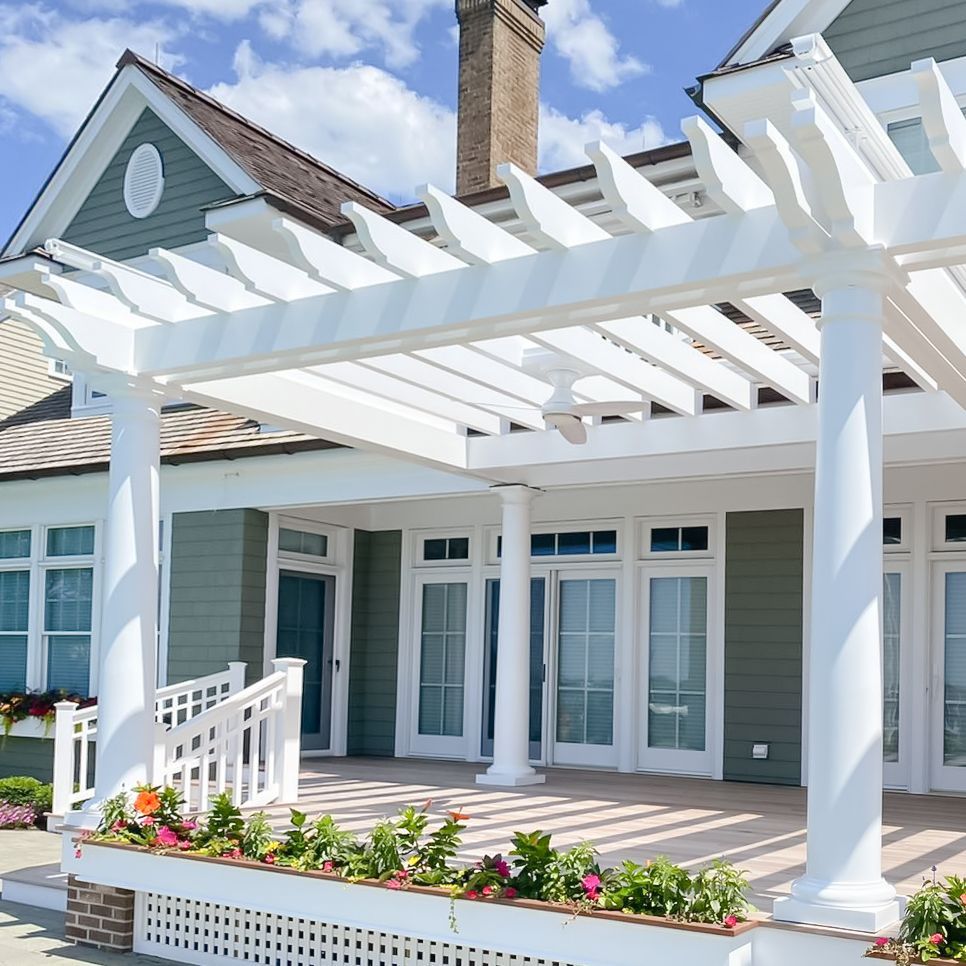
Our millwork services can support both traditional and modern projects. We can also coordinate premium brands and materials from manufacturers including Simpson Doors, Glenview Doors, and other trusted partners.
8. Working with a design-focused NJ door and window partner saves time
Searching for a door store New Jersey homeowners can trust: or comparing multiple door stores in NJ: can quickly become confusing. Different companies may represent different brands, installation methods, and levels of service.
Rather than comparing products one by one, we can look for a partner that helps manage the complete process:
-
Product guidance: We should receive recommendations based on our home, budget, style, and performance goals.
-
Accurate measurements: Custom products depend on careful measurements and a clear understanding of existing conditions.
-
Manufacturer-direct access: Working with a broker can provide access to premium brands and competitive pricing without sorting through every product on the market.
-
Professional installation: Correct installation protects performance, appearance, and warranty coverage.
-
Post-sales support: A dependable partner remains available for adjustments, maintenance questions, repairs, or future projects.
At Monmouth Millwork, we serve homeowners and professionals throughout New Jersey from our Neptune location. We review each detail as if it were our own project, from the first design conversation through installation and post-sales support.
Whether we are replacing one drafty window, upgrading doors in NJ, designing custom doors New Jersey homeowners will enjoy for years, or coordinating premium millwork for a new build, thoughtful planning makes the process easier. We can contact Monmouth Millwork to discuss our project, review the options, and move forward with a solution that fits our home and our goals.