
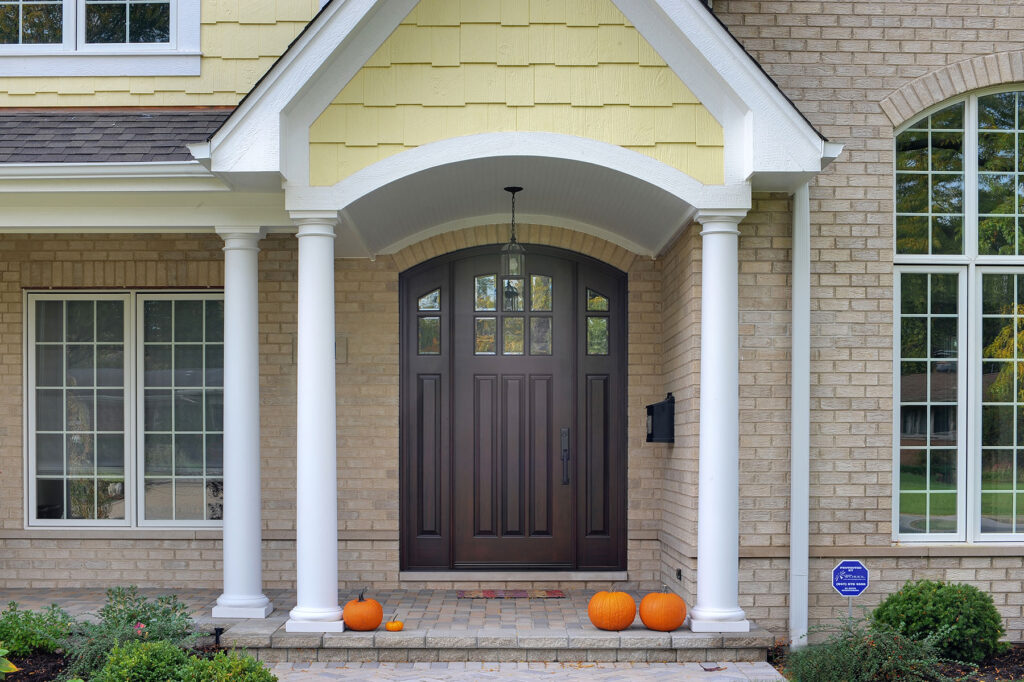
Buying windows, doors, or millwork for a New Jersey home or building project can feel complicated quickly. Between materials, finishes, glass, hardware, energy ratings, installation details, and local code requirements, there is a lot to compare.
We can make the process easier by asking the right questions before we request a quote or place an order. Whether we are renovating a shore home, building in Monmouth County, updating a historic property, or specifying materials for a commercial project, this confidence checklist helps us focus on long-term comfort, value, and performance.
At Monmouth Millwork, we work as a manufacturer-direct broker for premium windows, doors, and high-end building materials. Our role is to simplify the selection process, compare the right options, and help us make decisions that fit the project rather than forcing every project into the same product.
1. What do we need these products to do better?
The best purchase starts with the outcome we want: not with a product catalog. Before comparing windows or visiting door stores in NJ, we should identify the main problems we want to solve.
Are we trying to reduce drafts, improve security, bring in more natural light, update curb appeal, or create a more cohesive interior? We may have different priorities in different rooms.
For example:
- A second-floor bedroom may need better ventilation and easier window cleaning.
- A front entry may need stronger security, improved weather protection, and a more welcoming appearance.
- A busy back entrance may need durable hardware and a low-maintenance finish.
- A new commercial opening may require specific performance, accessibility, or fire-rating requirements.
By writing down our priorities first, we can compare products based on practical benefits instead of getting distracted by attractive but unsuitable options.
2. Will the design fit our architecture and existing millwork?
A new door or window should look like part of the home: not an afterthought. This matters especially when we are updating an older New Jersey property with established proportions, trim, siding, brick, or stone.
We should ask how the new product will coordinate with:
- Existing window proportions
- Interior and exterior casing
- Baseboards and crown molding
- Grille patterns
- Siding, brick, or stucco
- Hardware finishes
- The home’s overall architectural style
For instance, a Colonial home may look best with divided-light double-hung windows, paneled entry doors, and substantial casing. A contemporary home may call for larger glass areas, slim profiles, and a clean flush door.
Custom doors New Jersey homeowners choose can also solve unusual sizing and design challenges. We may need a wider entry, a transom, two sidelites, or a door that matches historic proportions. The right design consultation helps us coordinate the entire opening instead of selecting only a door slab.
We can explore custom doors and specialty doors as part of a larger design plan.
3. Do we need a fire-rated exterior door?
A fire-rated exterior door or rated entry system may be required for certain residential, multifamily, or commercial openings. Common examples include doors between an attached garage and living space, some townhouse or condominium applications, and specific commercial separations.
The important point is that a fire rating applies to the complete assembly: not simply the door slab. We should ask about:
- The required rating for the opening
- The door and frame labels
- Compatible hinges, latches, closers, and hardware
- Rated glazing, if glass is included
- Smoke seals and weather seals
- Installation requirements
- Inspection and permitting requirements
The exact requirements can vary based on the building, occupancy, opening, and local jurisdiction. We should confirm the details with our architect, building official, or qualified installer before ordering.
A rated door does not have to look industrial. With the right manufacturer and design guidance, we can coordinate a fire-rated door with nearby windows, trim, and other exterior doors.
4. How will the door perform in New Jersey weather?
Exterior doors NJ homeowners select must handle more than everyday use. Our doors face humid summers, winter freeze-thaw cycles, wind-driven rain, strong sunlight, and: especially near the shore: salt air.
We should ask how the complete door system addresses those conditions. Important details may include the insulated core, frame material, sill, threshold, weatherstripping, glass package, and finish.
For front doors New Jersey homeowners rely on every day, we should also consider:
- How easily the door opens and closes
- Whether the frame will remain stable
- How the finish handles sunlight and moisture
- Whether the threshold helps limit drafts and water
- Which locking system best supports security
- How the door will be sealed during installation
A wood front door can provide warmth and character, while fiberglass or steel may offer a lower-maintenance solution. The right choice depends on our exposure, design goals, budget, and willingness to maintain the finish.
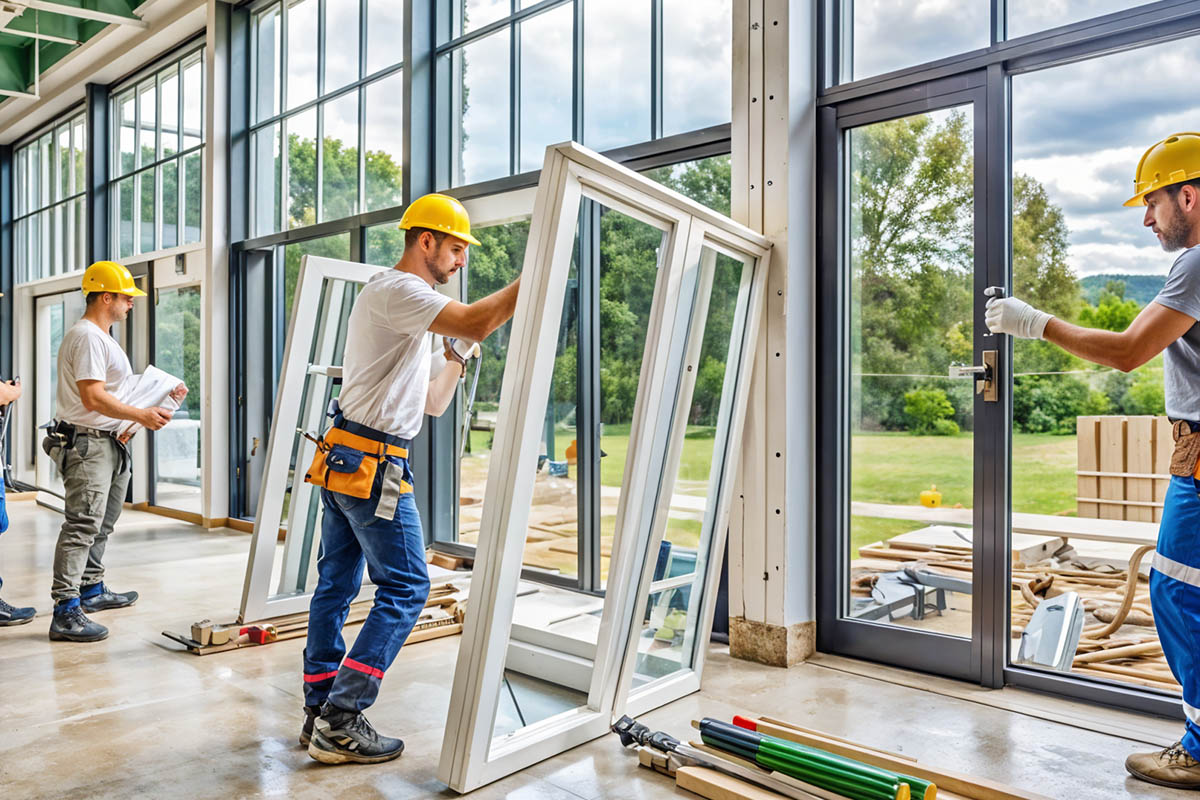
5. Are the opening and installation conditions understood?
Even a premium product cannot perform properly if the opening is measured incorrectly or the surrounding structure is not prepared. This is one of the most important questions to ask before purchasing new windows or custom doors NJ projects require.
Older homes throughout New Jersey may have settled, shifted, or non-square openings. We should understand whether the project calls for:
- A replacement unit within the existing frame
- A full-frame window installation
- A prehung door
- A new frame or structural adjustment
- Repairs to rot or water damage
- Interior or exterior trim replacement
- Changes to siding, brick, flooring, or drywall
We should also ask what installation includes and how the crew will protect the surrounding finishes. For example, replacing a window may involve careful work around existing siding or exterior casing.
At Monmouth Millwork, installation is part of the larger solution. We help coordinate product selection, measurements, installation details, and post-sales support so fewer decisions are left unresolved.
6. Which window style fits the way we use each room?
When we compare double hung vs single hung windows, the key difference is how the sashes operate.
With a double-hung window, both the upper and lower sashes move. We can open the lower sash for fresh air, open the upper sash to release rising warm air, or open both for greater ventilation. Many modern double-hung windows also tilt inward for easier cleaning.
With a single-hung window, the lower sash typically moves while the upper sash remains fixed. This simpler design can offer dependable performance and may be a more budget-conscious option for rooms that do not require flexible ventilation.
We can use this comparison as a practical guide:
- Choose double-hung windows for flexible airflow. They can work well in bedrooms, kitchens, bathrooms, and second-floor rooms.
- Choose double-hung windows for easier upper-floor cleaning. Tilt-in sashes may reduce the need for ladders or outside access.
- Consider single-hung windows for simpler spaces. They may make sense in ground-floor rooms, formal rooms, or areas we rarely open.
- Compare the complete window, not only the style. Glass, frame material, weatherstripping, and installation all affect comfort and efficiency.
We can also combine styles throughout the home. For example, double-hung windows may work upstairs while single-hung windows help manage the budget in easily accessible rooms.
Our window solutions and Kolbe windows provide options for traditional, transitional, and modern New Jersey homes.
7. What exactly is included in the quote?
A low price is difficult to evaluate when every quote includes different products and services. Before we compare a door store New Jersey option with another supplier, we should ask for a detailed, itemized proposal.
Our quote should clearly identify:
- Door or window manufacturer and product line
- Size, configuration, and material
- Glass type and performance information
- Finish, color, and grille pattern
- Hardware and locking system
- Frame, sill, threshold, and accessories
- Delivery and disposal
- Installation labor
- Interior and exterior trim
- Painting or staining responsibilities
- Warranty coverage
- Expected lead time
This is especially important for premium millwork. A project may require casing, baseboards, window stools, aprons, paneling, built-ins, or exterior door surrounds. If those details are not included in the quote, we may face unexpected costs later.
As a manufacturer-direct broker, we help us compare premium brands such as Simpson Doors, Glenview Doors, Kolbe, Sierra Pacific, and other trusted manufacturers.
8. Who will help us select, install, and support the products?
The right partner can make the difference between an overwhelming product search and a well-managed project. We should look for more than a showroom with attractive samples. We need a team that understands design, performance, installation, and the realities of New Jersey construction.
We can ask whether the company provides:
- Design-focused consultation based on our plans, style, budget, and goals
- Accurate measurements for custom products and unusual openings
- Access to premium manufacturers without sorting through every option ourselves
- Professional installation or installation coordination
- Guidance with energy efficiency and product performance
- Support after delivery and installation
- Solutions for both residential and commercial projects
This level of support is valuable whether we are purchasing one front door, replacing several windows, or coordinating a complete package of doors, windows, and architectural millwork.
At Monmouth Millwork, we review each detail as if it were our own project. From our Neptune location, we serve homeowners, builders, architects, designers, and contractors throughout New Jersey with manufacturer-direct access, expert consultation, and white-glove service.
A confident purchase starts with the right conversation
When we ask the right questions, windows, doors, and premium millwork become easier to evaluate. We can focus on comfort, security, energy efficiency, design continuity, installation quality, and long-term value instead of comparing products without context.
Whether we are looking for doors in NJ, custom doors New Jersey homeowners can personalize, fire-rated exterior doors, high-performance windows, or premium millwork for a new build, we do not have to manage every decision alone.
We can contact Monmouth Millwork to discuss our project and explore the right solution. We will help make the process clear, practical, and tailored to the way we want our home or building to look and perform.