
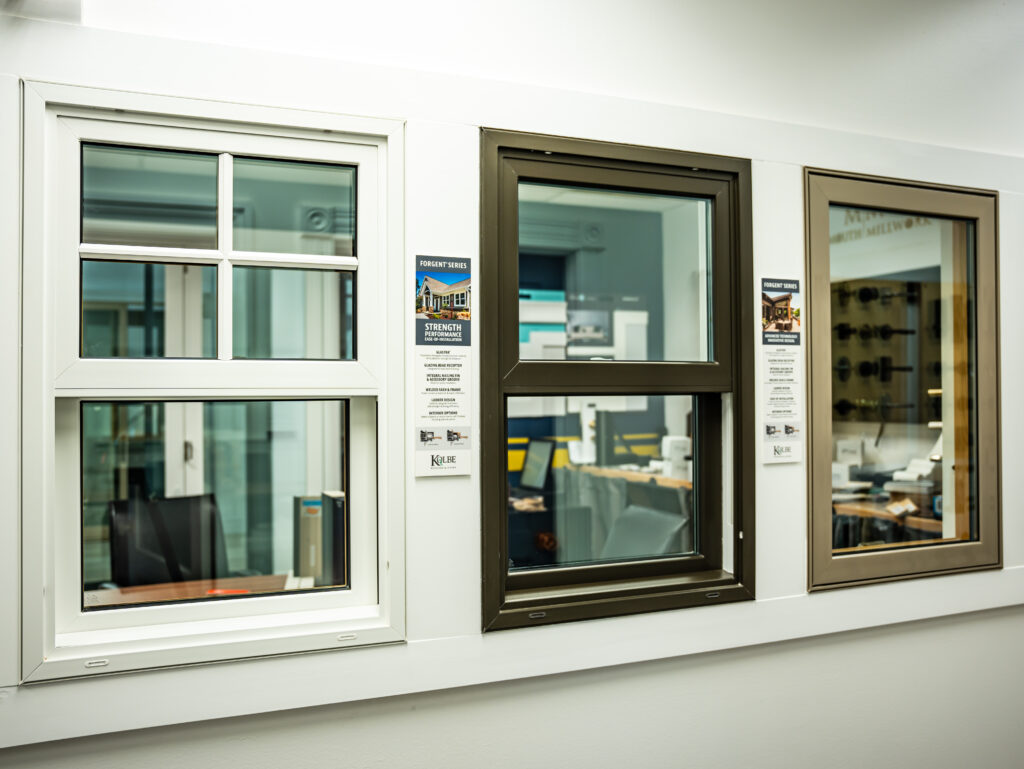
Choosing new windows, custom doors, or premium millwork can feel overwhelming. We have countless styles, materials, finishes, hardware options, and performance features to consider: and every project has its own timeline and priorities.
The good news is that the process becomes much easier when we work with one experienced team from the first conversation through installation. Whether we are renovating a New Jersey home, building a new property, or specifying materials for a commercial project, we can expect a clear path from initial ideas to finished results.
Here is what that journey typically looks like.
1. We begin with a consultation focused on your goals
A successful project starts with more than choosing a product from a showroom wall. During the first consultation, we should discuss how we want the finished space to look, feel, and perform.
For example, we may want:
- A statement front entry with custom glass
- Better comfort and energy efficiency throughout the home
- New windows that are easier to operate and clean
- Exterior doors NJ homeowners can rely on through changing weather
- Millwork that matches the home’s architecture
- Products that meet a builder’s budget and installation schedule
A knowledgeable consultant should ask about our priorities before recommending specific brands or styles. We should also be able to bring inspiration photos, architectural plans, or existing measurements to the conversation.
For builders, contractors, and designers, this meeting may include blueprint take-offs, product schedules, and value-engineering options. Monmouth Millwork’s design consulting service supports both on-site and off-site meetings, helping project teams align design goals with practical budgets.
2. We review the opening, structure, and existing conditions
The right product cannot compensate for inaccurate measurements or overlooked site conditions. After the initial consultation, we should expect a careful review of the existing openings and surrounding structure.
For a replacement window, this may include checking:
- The width and height of the opening
- The condition of the frame and sill
- Interior and exterior trim
- Water management and flashing
- Access for delivery and installation
For custom doors in New Jersey, the review may also cover threshold height, jamb depth, swing direction, surrounding masonry, sidelites, transoms, and available space for hardware.
This step is especially important in older New Jersey homes, where openings may not be perfectly square. A professional measurement helps prevent delays, poor operation, drafts, water intrusion, and unexpected changes during installation.
We should ask who will perform the measurements, how they will be documented, and whether the final order will receive a second review before manufacturing begins.
3. We compare custom doors, exterior doors, and entry options
When we search for custom doors NJ homeowners can use to personalize a property, we are not limited to one standard style. We can compare wood, fiberglass, steel, composite, and engineered-core options based on appearance, maintenance, security, and weather exposure.
A front door often serves as the visual centerpiece of the home. Glenview Doors offers customizable sizes, panel designs, finishes, and decorative or insulated glass options. For a more traditional look, Simpson Doors provides made-to-order styles, wood species, finishes, and custom dimensions.
During the selection process, we should ask:
-
What material fits our maintenance expectations?
Natural wood offers warmth and character, while fiberglass and engineered materials may provide simpler upkeep. -
How will the door handle New Jersey weather?
We should discuss weather-resistant finishes, insulation, seals, and exposure to direct sun or driving rain. -
Which glass and hardware options support our goals?
Decorative glass can improve curb appeal, while insulated glass, multipoint locks, and quality weatherstripping can add comfort and security. -
Will the door coordinate with our windows and millwork?
A consistent finish, casing profile, or hardware color can help the entire exterior feel intentional.
A reputable door store in New Jersey should help us compare these choices without forcing us into a one-size-fits-all solution.
4. We address fire-rated exterior doors early
Fire-rated exterior doors deserve special attention when an opening connects living space to an attached garage or another area where code compliance and fire separation matter.
A fire-rated door is tested and labeled for a specific performance period. The complete assembly may include the door, frame, hinges, latch, closer, and other approved components. We should never assume that a standard exterior door can be substituted for a required fire-rated assembly.
During consultation, we should ask:
- Is a fire-rated door required for this location?
- What rating does our local code or building official require?
- Does the frame need to be fire-rated as well?
- Which hardware is approved for the assembly?
- How will the door balance safety, appearance, insulation, and everyday operation?
For attached garages, multifamily properties, additions, and commercial buildings, we should confirm requirements with the appropriate building professional or local authority. A knowledgeable supplier can help us identify suitable fire-rated exterior doors, but the project team should verify that the final installation meets applicable code requirements.
5. We choose new windows based on comfort and daily use
Purchasing new windows should involve more than comparing prices or choosing the most popular style. We should consider how each window will support ventilation, cleaning, natural light, privacy, and energy performance.
One common question is double hung vs single hung windows.
- A single-hung window has a movable bottom sash and a fixed top sash. It offers straightforward operation and can be a practical choice where simpler construction and value are priorities.
- A double-hung window allows both the upper and lower sashes to move. This gives us more ventilation control and can make cleaning easier, especially when both sashes tilt inward.
For example, opening the lower sash can bring in fresh air, while opening the upper sash can help release warm air. That flexibility may be useful in bedrooms, kitchens, and upper-floor spaces.
We should also compare double-hung windows with casement, picture, awning, sliding, bay, bow, and specialty-shaped options. The best style depends on the room and the way we use it: not simply on what looks attractive in a catalog.
When purchasing new windows, we should ask about:
- Frame materials: wood, vinyl, fiberglass, aluminum, or composite
- Glass packages: double-pane, triple-pane, Low-E coatings, and gas fills
- Energy performance: how the window supports comfort in New Jersey’s hot summers and cold winters
- Operation and cleaning: whether the window is easy to open, secure, and maintain
- Installation details: flashing, insulation, sealing, trim, and water management
- Warranty coverage: what is covered, for how long, and who handles service
Monmouth Millwork’s window FAQ notes that available frame materials include vinyl, wood, aluminum, and fiberglass, with installation often completed in one to two days depending on project conditions. For architectural flexibility and performance-focused options, we can also review Kolbe windows and doors.
6. We coordinate premium millwork with the larger design
Windows and doors rarely stand alone. Trim, casing, baseboards, crown molding, shutters, and other millwork help connect each product to the rest of the home.
Premium millwork can:
- Frame a new front door with more presence
- Match window casing throughout a renovation
- Add character to a modern room
- Recreate details in a historic New Jersey home
- Create a consistent finish across multiple rooms
We should review millwork early instead of treating it as a last-minute finishing detail. A casing profile may affect the door jamb, window extension, wall thickness, or final installation sequence.
Monmouth Millwork works with brands such as Garden State Lumber, Modern Mill, and Metrie for trim and molding solutions. Coordinating these materials with the windows and doors can save time and create a more polished result.
7. We receive a clear proposal and realistic timeline
Once the products and scope are selected, we should receive a written proposal that explains what we are purchasing and what the installation includes.
The proposal should identify:
- Product brands and series
- Sizes and configurations
- Materials, finishes, and glass
- Hardware and accessories
- Installation responsibilities
- Removal and disposal, if applicable
- Estimated manufacturing and delivery timing
- Payment milestones and warranty information
Custom products take time because they are made to specific dimensions and specifications. The schedule may include consultation, measurement, design approval, manufacturing, delivery, site preparation, and installation.
We should ask which dates are firm, which depend on manufacturing, and what happens if site conditions change. A manufacturer-direct broker can be especially helpful here because we have access to premium brands while working with a team that understands ordering, specifications, and coordination.
8. We prepare for a professional installation
Installation day should feel organized, respectful, and clearly communicated. Before work begins, we should know which areas need to be cleared, how the crew will access the property, and whether weather or site conditions could affect the schedule.
Professional installers should protect nearby floors and furnishings, remove existing units carefully, and install products according to manufacturer requirements. Proper shimming, fastening, insulation, flashing, and sealing all contribute to long-term comfort and performance.
Monmouth Millwork provides window, door, and millwork installation through experienced installers and finish carpenters. That continuity matters because the team helping us select the product understands the details that must be carried through to the finished installation.
9. We complete a final walk-through and know who to call
The project is not finished when the last tool leaves the property. We should walk through the completed work and confirm that doors latch properly, windows operate smoothly, finishes meet expectations, and trim is complete.
We should also receive information about cleaning, maintenance, warranty coverage, and post-installation support. If an adjustment or service issue appears later, one trusted team gives us a clear point of contact.
From custom doors New Jersey homeowners can be proud of to energy-efficient new windows and carefully matched millwork, the right process removes much of the uncertainty. Here in New Jersey, we do not have to navigate every product, measurement, and installation decision alone.
When we work with a manufacturer-direct brokerage and experienced design team, we can compare premium building materials with greater confidence: and enjoy a smoother path from the first consultation to the final install. Contact Monmouth Millwork to begin planning your project.