
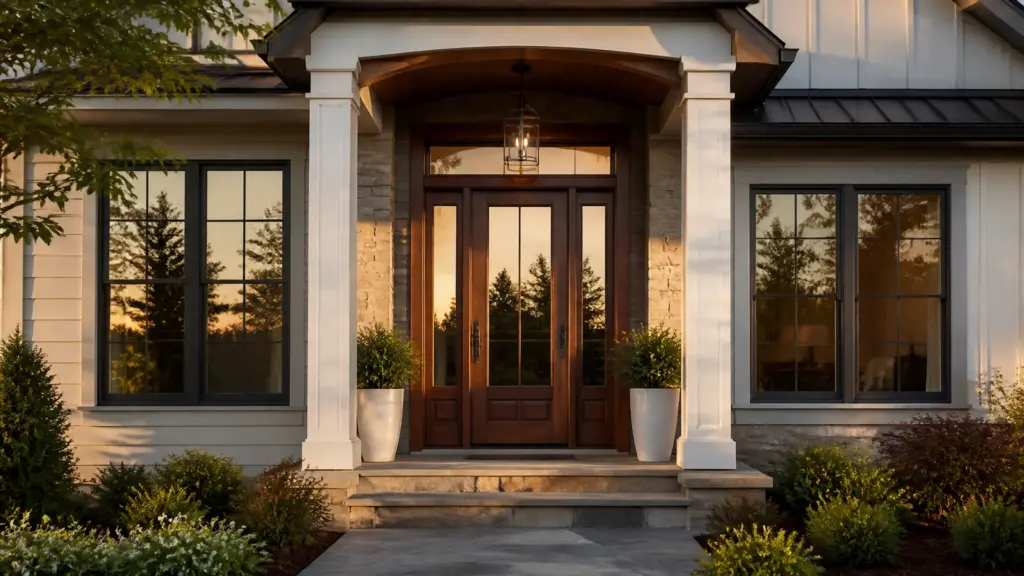
Purchasing new windows is a major home improvement decision. The right choices can make our New Jersey homes quieter, more comfortable, easier to maintain, and more efficient through cold winters, humid summers, and changing coastal weather.
However, window replacement involves more than choosing a frame color. We also need to think about operation, glass performance, installation, permits, trim, and how new windows will coordinate with exterior doors and premium millwork.
At Monmouth Millwork, we help homeowners, builders, architects, and designers compare options without making the process feel overwhelming. As a manufacturer-direct broker, we connect our clients with premium brands such as Kolbe, Sierra Pacific, Simpson Doors, and Glenview while providing design guidance and white-glove support from the first conversation through installation.
1. Start with the Way Each Room Needs to Work
The best window is not always the most expensive option. We get better results when we begin with how each room is used, how much ventilation we want, and how easily we will be able to clean and maintain the window.
Before purchasing new windows, we recommend considering:
- Room function: A kitchen, bathroom, bedroom, and living room may each benefit from a different window style.
- Reach and access: A window above a kitchen sink may need to be simple to operate, while an upper-floor window should be easy to clean from inside.
- Ventilation needs: Bathrooms, bedrooms, and family rooms may benefit from windows that allow more controlled airflow.
- Architectural style: Traditional homes often suit divided-light or double-hung windows, while contemporary homes may benefit from large fixed, casement, or narrow-framed units.
For example, a double-hung window can work beautifully in a traditional New Jersey colonial because it supports the home’s proportions while allowing both sashes to open. A large casement window may be a better choice for a modern kitchen where we want expansive glass and a tight seal.
2. Understand Double-Hung vs. Single-Hung Windows
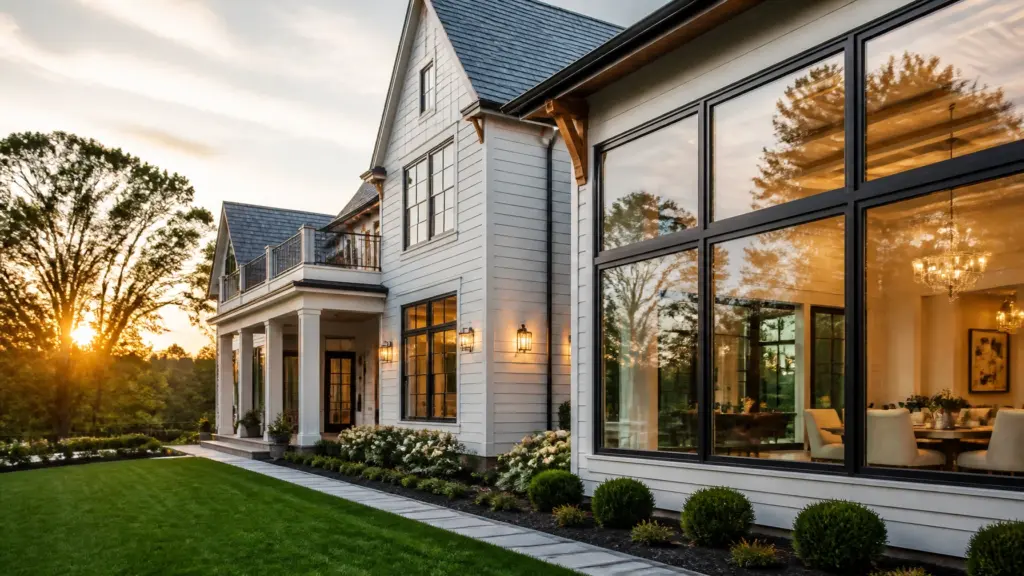
The difference between double-hung vs. single-hung windows comes down to how many sashes operate.
- Single-hung windows: The lower sash moves, while the upper sash remains fixed. This design typically costs less because it uses fewer moving parts.
- Double-hung windows: Both the upper and lower sashes move. We can open the bottom sash for incoming air and the top sash for warm air to escape.
- Cleaning: Many double-hung windows tilt inward, allowing us to clean both sides of the glass from inside the home. This can be especially helpful on a second floor.
- Efficiency: Single-hung windows may offer a slight advantage in air sealing because they have fewer operable components. Still, the glass package, frame material, and installation quality often have a greater impact on real-world performance.
For many New Jersey homes, double-hung windows are a practical choice for upper floors and rooms that need regular ventilation. Single-hung windows can make sense in lower-use rooms, on the first floor, or when we want to manage the project budget without changing the overall appearance.
We can also consider casement and awning windows when energy efficiency is a top priority. Because these windows close against a compression seal, they can provide excellent resistance to drafts when properly installed.
For an additional comparison of the two styles, we recommend reviewing this single-hung and double-hung window guide.
3. Prioritize Glass Performance Over Appearance Alone
A beautiful window should also help our home stay comfortable year-round. When comparing products, we should look beyond the frame color and ask for the window’s performance information.
We recommend reviewing:
- U-factor: A lower U-factor generally indicates better resistance to heat loss during winter.
- Solar Heat Gain Coefficient: This rating helps us understand how much solar heat enters through the glass. The ideal selection can depend on orientation, shade, and room use.
- Low-emissivity glass: Low-E coatings can help reduce unwanted heat transfer while allowing natural light into the room.
- Double- or triple-pane construction: Additional panes and insulating gas can improve comfort, though the best choice depends on the home, budget, and overall project goals.
- Air and water performance: These ratings help us compare how a window is expected to perform against drafts, wind, and driving rain.
Here in New Jersey, we also need to account for regional conditions. A home near the Jersey Shore may face salt air and strong coastal weather, while an inland home may place more emphasis on winter heat retention and summer solar exposure.
Premium manufacturers such as Kolbe and Sierra Pacific offer a wide range of glass, frame, finish, and configuration options. We can help match those choices to the home rather than treating every opening exactly the same.
4. Treat Installation as Part of the Window Purchase
Even the highest-performing window can underperform when installation is rushed or poorly coordinated. We want the entire opening: including flashing, insulation, shimming, sealants, and trim: to work as one system.
Before we approve an installation plan, we should ask:
- Who will take the final measurements?
- How will the existing opening be inspected for moisture or structural damage?
- What flashing and water-management methods will be used?
- How will the installer seal the space between the frame and the rough opening?
- Who will coordinate permits and inspections?
- What does the manufacturer’s warranty require?
Installation details matter particularly in older New Jersey homes, where openings may not be perfectly square or where previous replacement work may have concealed moisture problems.
Our window and door services are designed to reduce those uncertainties. We review the details, coordinate product information, and help our clients understand what happens before, during, and after installation.
5. Check Local Code, Egress, and Safety Requirements Before Ordering
Window replacement may appear straightforward, but local requirements can affect the product we choose. Permit rules vary by municipality, so we should contact the local building department or confirm responsibility with our contractor before ordering.
We should pay particular attention to:
- Bedroom egress: A replacement window must not reduce the required emergency escape opening.
- Safety glass: Windows near doors, stairs, tubs, and showers may require tempered or otherwise approved safety glazing.
- Historic districts and associations: Some communities regulate window proportions, grille patterns, materials, and exterior colors.
- Structural changes: Enlarging an opening or changing framing usually requires additional planning and permits.
- Garage connections: A door between a garage and living space may require a specific fire-resistance rating and self-closing hardware.
The phrase “fire-rated exterior doors” can also create confusion. Fire-rated assemblies are generally selected based on the location, wall assembly, occupancy, and applicable code: not simply because a door is outside. We should confirm the required rating with the local code official or design professional, especially for garage, multifamily, commercial, or other specialty applications.
6. Plan Exterior Doors and Windows as One Design Package
New windows can make a home feel brighter and more comfortable, but mismatched doors may make the overall renovation feel unfinished. When we plan both together, we can coordinate sightlines, finishes, glass patterns, hardware, and trim.
For example, a home with new black-clad windows may look more intentional with a walnut or dark-finished front door. A traditional home may benefit from a Simpson entry door with divided glass, while a contemporary project may call for a large Glenview pivot door or minimalist glass-panel entrance.

When homeowners search for custom doors New Jersey suppliers, custom doors NJ specialists, or doors in NJ, we recommend looking beyond the product catalog. We should also ask who will help with sizing, hardware, weather protection, finishing, delivery, and installation.
A trusted door store in New Jersey should help us compare options based on the home’s exposure, style, security needs, and maintenance expectations. That kind of guidance is often more valuable than simply visiting several door stores in NJ and comparing showroom displays.
7. Use Premium Millwork to Finish the Details
Windows and doors establish the main visual rhythm of a home. Premium millwork helps complete that design by connecting each opening to the surrounding walls, floors, ceilings, and cabinetry.
Depending on the project, we might coordinate:
- Wider interior window casing.
- Custom door casings and head trim.
- Baseboards and crown molding.
- Wainscoting or panel molding.
- Exterior window surrounds.
- Matching wood species, stains, or paint colors.

For instance, a custom front door may look more substantial when framed with properly scaled casing and a matching transom. Similarly, premium windows can feel more integrated when their interior trim matches the home’s doors and built-ins.
Our custom millwork services help us approach the home as a complete design rather than a collection of unrelated products.
8. Compare Value, Not Just the Initial Price
A lower purchase price does not always mean a better long-term value. We should compare the full project, including the product, installation, finishing, trim, delivery, maintenance, warranty, and expected service life.
A manufacturer-direct broker can make that comparison easier. At Monmouth Millwork, we help our clients access premium brands while reducing the guesswork associated with multiple suppliers and unclear product differences. Our goal is to help builders, designers, and homeowners find the right balance of performance, design, budget, and long-term value.
We review each project as if it were our own, from the first measurement through post-sales support.
A Practical Checklist Before Purchasing New Windows
Before placing an order, we recommend confirming that we have:
- Measured every opening accurately.
- Chosen the best operating style for each room.
- Compared double-hung vs. single-hung windows where appropriate.
- Reviewed glass performance and frame materials.
- Confirmed local permit, egress, and safety-glass requirements.
- Planned the installation and water-management details.
- Coordinated windows with exterior doors and premium millwork.
- Reviewed the complete estimate, warranty, delivery schedule, and service plan.
Whether we are updating a single room, replacing every window, or planning a larger renovation, the process becomes easier when we make decisions in the right order.
If you are exploring front doors in New Jersey, energy-efficient windows, exterior doors, or a coordinated millwork package, we invite you to contact Monmouth Millwork to discuss your project. We are here to help you create a more comfortable, durable, and welcoming home: one thoughtful detail at a time.