
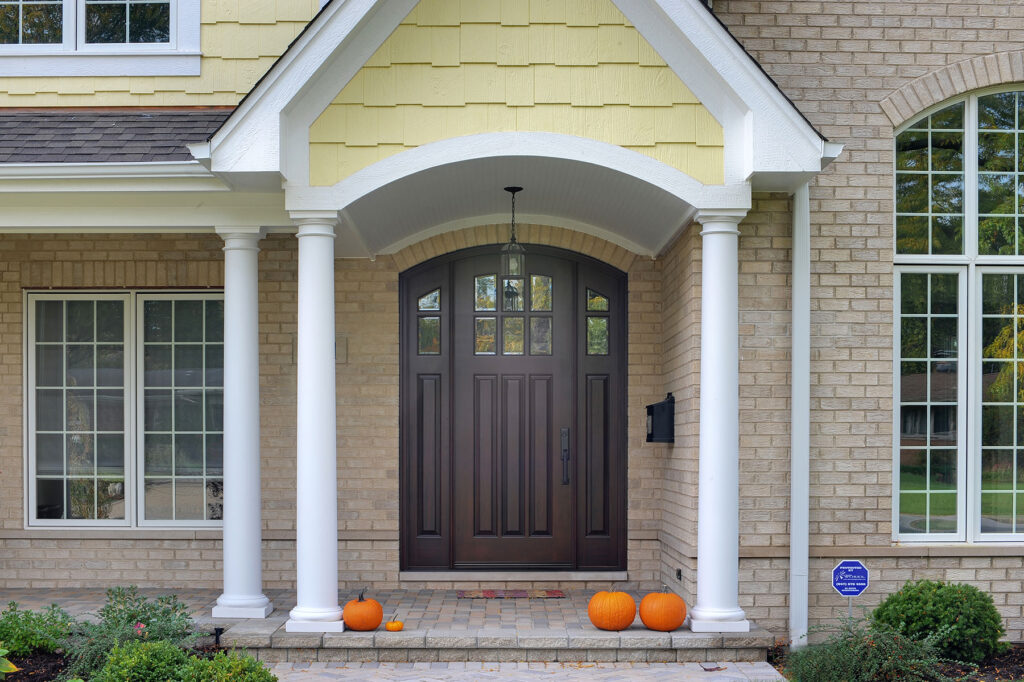
Finding the right door store in New Jersey involves more than comparing colors and price tags. The right partner helps us choose a door that fits the opening, complements the architecture, improves comfort, and performs through New Jersey’s humid summers, cold winters, and changing coastal conditions.
Whether we are renovating a home, building new construction, or specifying materials for a commercial project, we can make the process easier by knowing what to ask before placing an order. Here are 10 important things to consider when comparing door stores in NJ.
1. Look for a specialist instead of a one-size-fits-all retailer
A general retailer may offer convenient, standard-size products. However, premium homes and commercial projects often require more attention to dimensions, finishes, hardware, glass, performance, and installation details.
When we work with a specialist, we gain access to custom solutions and brands that may not be available through a typical home improvement store. At Monmouth Millwork, we help homeowners, builders, architects, and designers compare the right options without sorting through every product available on the market.
We also operate as a manufacturer-direct broker. That can provide access to better pricing while still giving us the guidance and personal service we need for a successful project.
2. Confirm how much customization is available
If we are searching for custom doors New Jersey homeowners can make their own, we should ask how far the customization process goes. A custom door may involve more than choosing between two colors.
For example, we may need:
- A non-standard height or width
- A specific wood species, such as walnut, mahogany, or oak
- French doors with glass panels
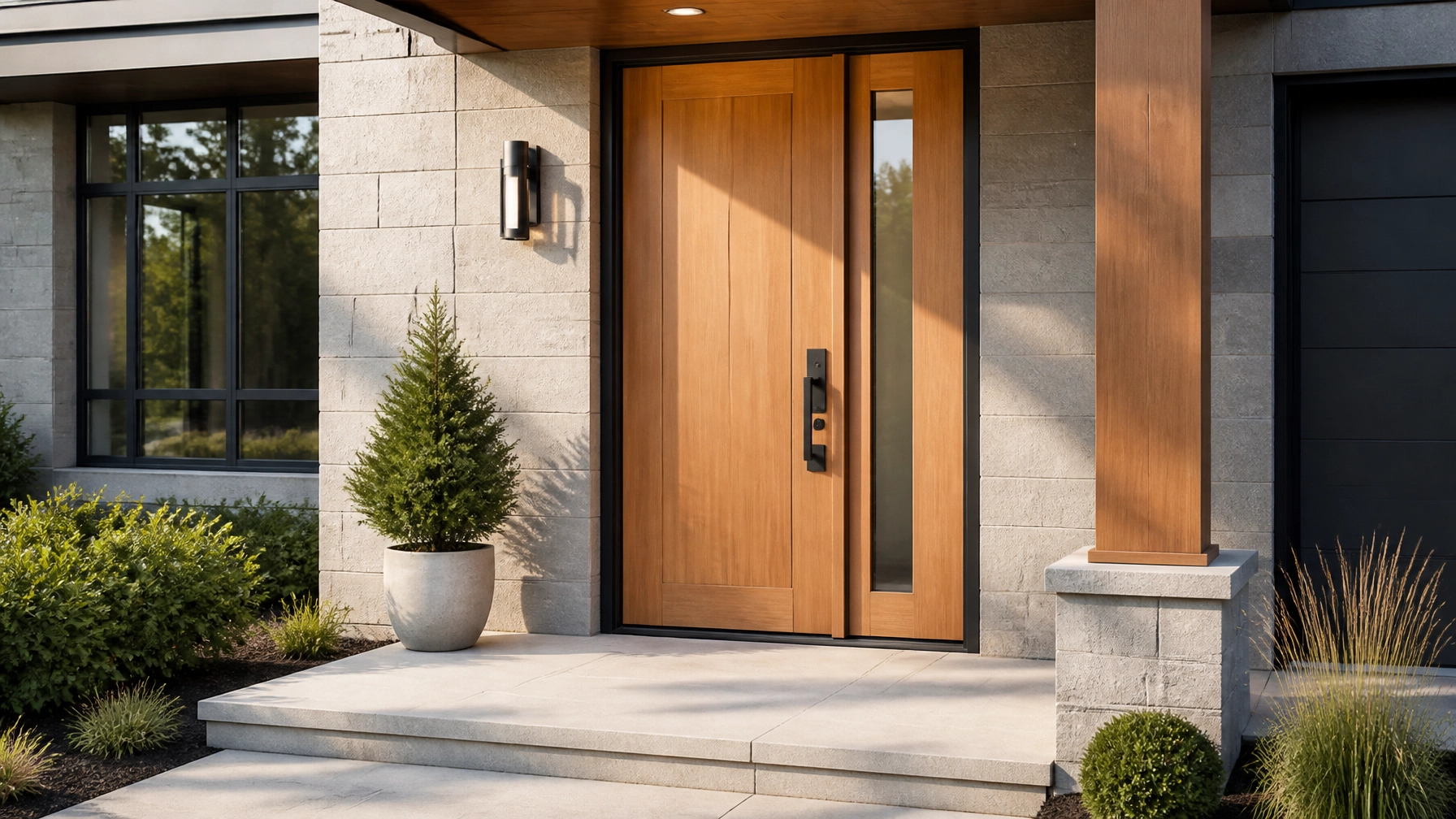
- A modern pivot door
- A transom or matching sidelights
- Decorative, clear, textured, or privacy glass
- A custom panel layout or architectural detail
The best custom doors NJ suppliers help us balance design goals with practical needs such as security, weather resistance, maintenance, and energy performance. We can explore options through Monmouth Millwork’s door collection.
3. Evaluate exterior doors for New Jersey weather
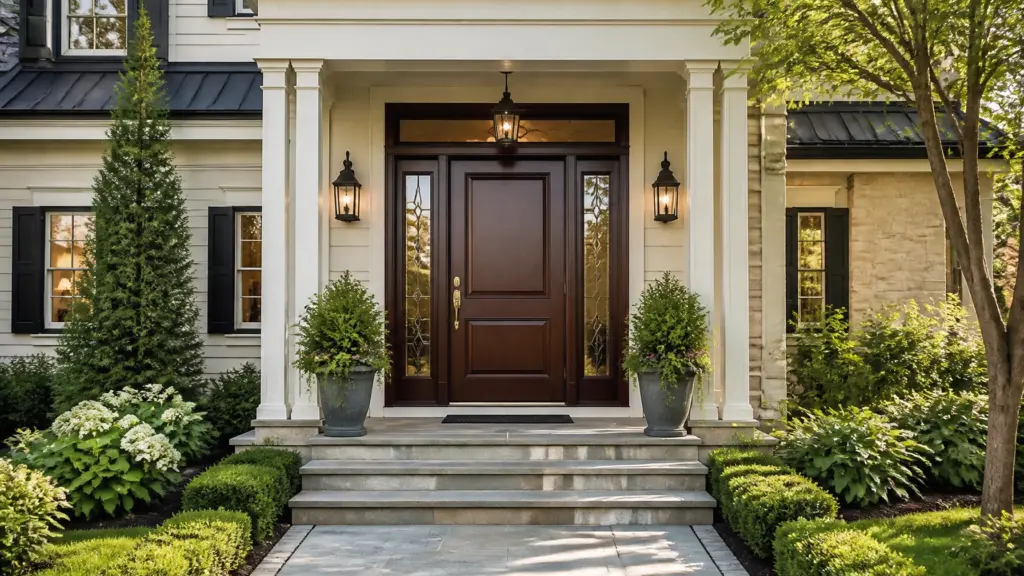
When we choose exterior doors NJ homeowners will use every day, appearance matters: but performance matters just as much. A beautiful door that allows drafts, absorbs moisture, or requires constant refinishing may not be the best long-term choice.
We should ask about:
- Insulated cores and weather seals
- Moisture and UV resistance
- The durability of the finish
- Low-maintenance materials
- Threshold and sill protection
- Hardware designed for frequent use
- Warranty coverage for the door and finish
Wood can provide warmth and character, while fiberglass and aluminum-clad options may offer different levels of durability and maintenance. Our goal is to select a material and construction that suit the home’s exposure, architecture, and daily use.
4. Treat the front entry as a complete system
Our front door is one of the first things guests notice, but the door slab is only one part of the entry. The frame, threshold, sidelights, transom, hinges, lockset, and surrounding trim all affect the finished result.
For instance, a traditional New Jersey colonial may look best with a panel door, divided-light sidelights, and detailed casing. A contemporary home might call for an oversized pivot door with a clean finish and narrow glass accents.
When comparing front doors New Jersey suppliers, we should ask whether they help coordinate the entire entry. A complete design approach helps us avoid mismatched finishes, incorrect proportions, and installation surprises.
5. Understand fire-rated exterior doors before ordering
Fire protection requirements depend on the location, building type, wall construction, and local code requirements. A door between an attached garage and living space, for example, may need to meet specific fire-separation requirements.
We should not assume that any steel or solid-core door qualifies as a fire-rated assembly. The rating applies to the complete system, including the door, frame, glazing, seals, hinges, lockset, closer, and other required hardware.
Ask the door store to confirm:
- The required rating for the specific opening
- Whether the door is listed and labeled
- Whether the frame and hardware are compatible
- Whether the assembly is approved for the intended application
- What installation details are necessary to preserve the rating
Ratings may include 20, 45, or 60 minutes, depending on the project. We can also review our guide to fire-rated exterior doors in New Jersey for additional background.
6. Ask whether the store also handles windows
Many projects involve both doors and windows. Working with separate suppliers can make it more difficult to coordinate colors, materials, sightlines, trim, delivery schedules, and installation.
A door store that also provides windows can help us create a more cohesive exterior. We may be able to match a front door finish with window cladding, coordinate hardware throughout the home, and plan the installation sequence more efficiently.
When we are purchasing new windows, we should also consider comfort and energy performance. Look for insulated glass, appropriate Low-E coatings, durable frames, quality weatherstripping, and verified performance ratings. The ENERGY STAR certified window directory and NFRC resources can help us understand product ratings.

7. Compare double hung vs single hung windows based on how we live
One of the most common questions we hear when homeowners are purchasing new windows is double hung vs single hung windows. Both styles can be effective, but they serve different priorities.
- Double-hung windows: Both the upper and lower sashes move. This gives us more ventilation options, and many models tilt inward for easier cleaning from inside the home. They can be especially useful on upper floors.
- Single-hung windows: The lower sash moves while the upper sash remains fixed. With fewer moving parts, these windows may offer a simpler design and often a lower initial cost.
The choice should depend on the room, access, ventilation needs, and budget. We should also compare the window’s U-factor, solar heat gain coefficient, air leakage rating, glazing, and installation quality. These details often influence energy performance more than the sash style alone.
We can read more about the decision in our guide to double hung vs single hung windows.
8. Review the brands and product lines carefully
Premium brands offer different strengths, styles, materials, and performance options. A knowledgeable door store should help us understand those differences instead of recommending one product for every project.
At Monmouth Millwork, we work with respected manufacturers including:
- Kolbe for highly customizable windows and doors
- Sierra Pacific for performance-focused window and door solutions
- Simpson Doors for custom wood doors and architectural designs
- Glenview Doors for premium exterior and entry door styles
We can compare the right series based on the home’s design, opening size, exposure, energy goals, budget, and installation requirements.
9. Include premium millwork from the beginning
A new door or window can look unfinished without the right surrounding trim. Premium millwork: including casing, baseboards, crown molding, jamb extensions, and other architectural details: helps connect the new installation to the rest of the home.
For example, a wide entry door may need substantial casing to feel properly proportioned. A replacement window may look more intentional when its interior trim matches the baseboards and other profiles throughout the room.
By planning premium millwork at the same time as our doors and windows, we can create a more polished result and avoid difficult trim decisions later.
10. Compare the service, not just the product price
The lowest initial price does not always represent the best value. We should also consider who will measure the opening, explain the specifications, coordinate delivery, manage installation, and respond if questions arise after the project is complete.
A strong door store should offer:
- Personalized consultation and design guidance
- Accurate field measurements
- Clear, detailed proposals
- Product and finish coordination
- Professional door or window installation
- Replacement and repair support
- Communication from the first conversation through post-sales service
At Monmouth Millwork, we review each detail as if it were our own project. Our goal is to make the process more manageable for homeowners and the professionals coordinating the work. From manufacturer-direct pricing to white-glove support, we help bring together the product, performance, and service a successful project requires.
Find the right door partner for your New Jersey project
The best door store New Jersey homeowners and builders can choose is not simply the one with the largest showroom or the most products. It is the partner that listens carefully, understands the project, offers trusted brands, explains the choices clearly, and stays involved through installation and beyond.
Whether we are selecting custom doors, front doors, exterior doors, fire-rated assemblies, new windows, or premium millwork, the right guidance can save time and help us make a more confident investment.
We invite you to contact Monmouth Millwork to discuss your project. We are here to help make choosing doors, windows, and millwork easier( from the first idea to the finished result.)